
KPRC Channel 2 Local News – Haley Hernandez Interview

Katie Beckham • February 24, 2025

HOUSTON – The pelvic floor is a set of muscles that works as a support system for the organs of the pelvis, including the bladder and the uterus.

As those muscles weaken, the organs can fall south. However, new therapies allow for physical therapists to teach patients how to strengthen the pelvic floor muscles and eliminate a lot of problems.

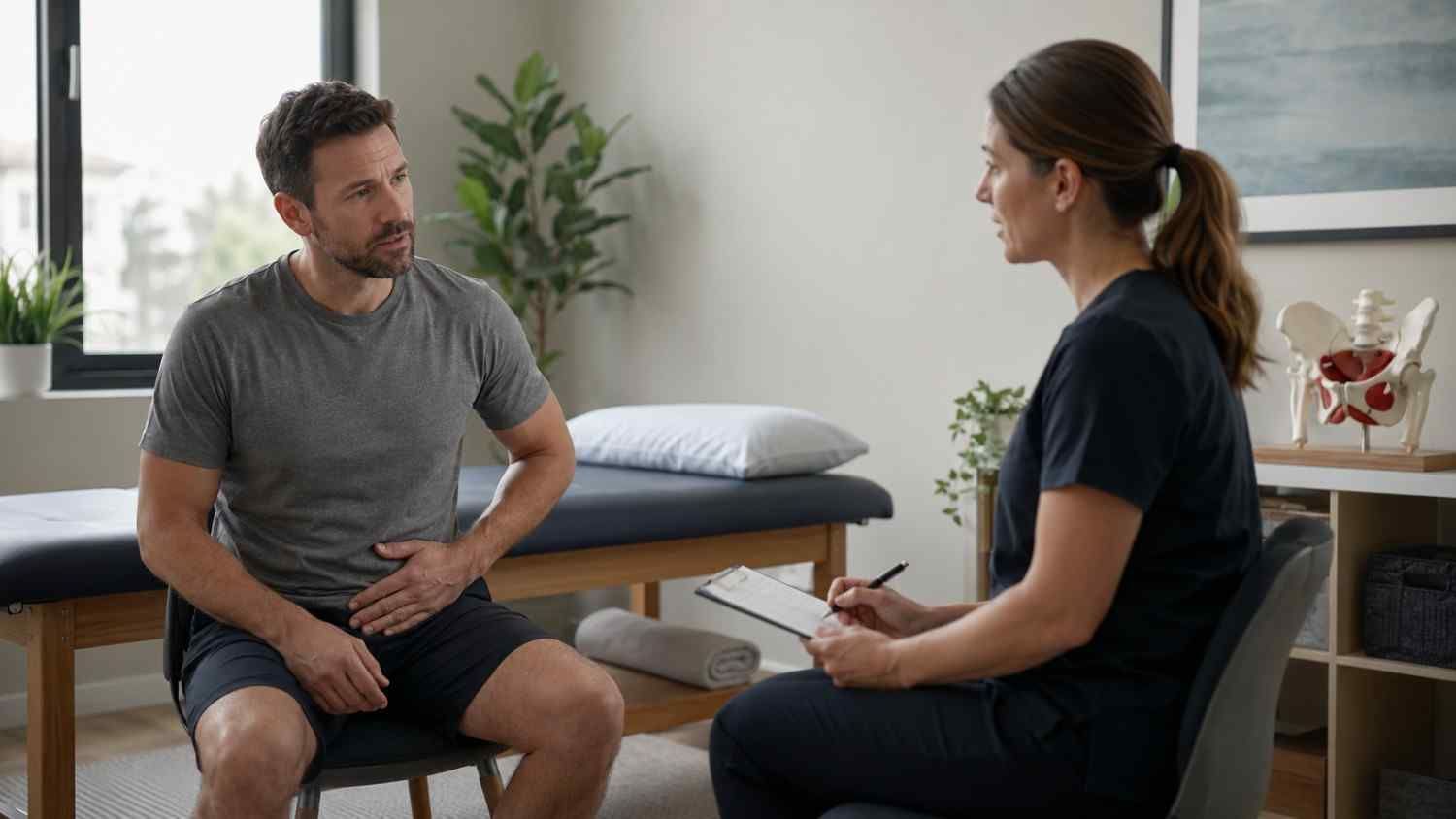
During a consultation for pelvic floor physical therapy, Katie Beckham, Houston Methodist West Hospital pelvic floor physical therapist, tells women how it works.

She said weakening or over-tightening of the pelvic floor can happen after having children, after cancer treatments or simply with age.

“One of the biggest mistakes people make, trying to pull up and exercise the pelvic floor but they’re holding their breath,” Beckham explained. ‘Then we perform the activity like picking up our grandchild carrier seat, we have to let that pressure out somewhere or we’re going to dribble.”

Lacking support in the pelvic floor can lead to lower back pain, urine urgency or difficulty emptying the bladder.

“A physical therapist that specializes in this, teaches a patient how to maintain its proper pressures, how to use body mechanics properly, how to strengthen the pelvic floor muscles, how to let them go, how to let things in and out,” Beckham said.

Beckham teaches that by showing patients which lower ab muscles to strengthen.

“Tightening two big sets of muscles, the lower abs, which I teach as skinny jeans,” she explained. “So, if you want to put on a pair of size 2 jeans and you really need a 12, you’re going to have to hollow out your belly, you’re going to have to pull your belly button towards your spine.”

Showing patients with an internal exam is an option. Although maybe awkward, Beckham said it leads to fast, positive results.

“Then the other big set, I teach it like an elevator, it’s the pelvic floor muscles, those are the muscles that shore up and close the opening to the urethra in the vagina and the rectum. So, we want to pull those up, it’s as if I had an exam finger in your vagina and I asked you to close the door of the elevator and pull the elevator up into your belly.”

This kind of physical therapy can take anywhere from three weeks to three months.

There are pelvic floor physical therapists at Texas Children’s Pavilion for Women, The Woman’s Hospital of Texas and these locations for Houston Methodist.



By Katie Beckham • September 15, 2026
Pelvic pain, bladder changes, bowel trouble, and shifts in intimacy are common, and they are not something you have to accept as normal. A clear test result doesn't mean nothing is wrong. It usually means the real cause hasn't been found yet. I hear this every week in my practice. Pelvic issues rarely show up as one clean symptom; they show up as pain in one place, bladder trouble in another, and changes in intimacy no one warned you about. Pelvic floor physical therapy in Houston, TX is often the piece that finally explains what's going on, and once you know the cause, there's a real path to relief. Key Takeaways Pelvic floor dysfunction means the muscles supporting your bladder, bowel, and reproductive organs are too tight, too weak, or not coordinating properly. It shows up in more ways than pain alone: bladder habits, bowel function, intimacy, and physical stability can all be affected. Kegels are not a universal fix. For some people, they make symptoms worse. Normal test results don't rule out a real, treatable problem. Pelvic floor physical therapy is non-surgical, evidence-based, and works for men and women. I'm Katie Beckham, and I treat pelvic floor dysfunction as a pelvic floor therapist in Houston, TX , working with men and women one-on-one in a private, home-based setting. What Is Pelvic Floor Dysfunction? Your pelvic floor is a group of muscles stretching from your pubic bone to your tailbone and from hip to hip, forming a basket of supportive muscles. It supports your bladder, bowel, and reproductive organs, and plays a direct role in urination, bowel movements, and intimacy. Pelvic floor dysfunction happens when these muscles stop working the way they should, either too weak to hold things in place, too tight to relax when they need to, or a mix of both in different muscles at once. This is not one disease with one symptom. It's a pattern, and the pattern looks different for everyone. That's why so many people go months or years without a clear answer, and why the right pelvic floor dysfunction treatment in Houston, TX, starts with someone who looks at the whole picture instead of one symptom in isolation. The right pelvic floor therapy in Houston, TX , depends on understanding which pattern you're dealing with, not only naming the diagnosis. What Does Pelvic Floor Dysfunction Feel Like? Pain Pelvic, vaginal, testicular, penile, or rectal pain Tailbone pain (coccydynia) Groin or lower abdominal pain that doesn't ease with stretching or rest Pain with prolonged sitting Bladder and bowel symptoms Urinary urgency, frequency, or a weak or slow stream Trouble fully emptying the bladder or bowel Leaking urine or stool Constipation, straining, or painful bowel movements Sexual and intimacy-related symptoms Pain during or after sex (dyspareunia) Erectile dysfunction linked to pelvic floor tension Painful ejaculation or decreased sensitivity Involuntary tightening that makes penetration painful or impossible (vaginismus), or chronic burning pain in the vulva (vulvodynia) Painful orgasm Pregnancy, postpartum, and post-surgical symptoms Pelvic pressure, heaviness, or leaking with coughing, sneezing, or exercise Diastasis recti (abdominal muscle separation) Sharp pain at the front of the pelvis or in the lower back with walking or turning over in bed (pubic symphysis dysfunction or SI joint pain) Symptoms following prostatectomy or other pelvic surgery Pain or numbness from surgical scarring Most people only connect one or two of these to their pelvic floor. In my experience, they're almost always related, and treating them together gets better, faster results than chasing each symptom on its own. What Causes Pelvic Floor Dysfunction?
By Katie Beckham • August 11, 2026
Find personalized pelvic floor physical therapy for penile, pelvic & pudendal nerve pain in Houston, TX. Work with a pelvic floor therapist for men. Book today!
By Katie Beckham • August 10, 2026
Recover with expert postpartum, pelvic floor, tailbone pain, and urinary incontinence physical therapy in Spring Branch, Houston. Schedule your personalized consultation today.
By Katie Beckham • June 26, 2026
Expert urinary incontinence treatment in Fulshear, Memorial, and Houston, TX. Get relief from stress urinary leakage with personalized pelvic floor therapy. Schedule today.
By Katie Beckham • June 26, 2026
Find effective pudendal nerve pain treatment in Houston TX. Specialized physical therapy for pudendal neuralgia, pelvic pain, and nerve-related discomfort in Houston, Spring Branch, and Memorial. Schedule your consultation today.
By Katie Beckham • June 26, 2026
Discover effective pelvic therapy for PGAD in Houston. We provide individualized care for Persistent Genital Arousal Disorder, serving Spring Branch, Memorial, Bellaire, and Bunker Hill Village. Call today to get started.
By Katie Beckham • May 19, 2026
Struggling with ejaculatory dysfunction? Learn how pelvic floor issues may affect sexual health, common symptoms, and treatment options to improve function and confidence.
By Katie Beckham • April 9, 2026
Get expert menopause pelvic floor and sexual wellness therapy in Houston, Spring Branch, Memorial, Bellaire & Bunker Hill Village, TX. Personalized care for better health—book today!
By Katie Beckham • March 25, 2026
Struggling with pelvic pain or plantar fasciitis? Houston experts offer pelvic floor therapy, nerve pain treatment & customized recovery plans.
By Katie Beckham • March 24, 2026
Pelvic floor therapy for endometriosis-related pelvic pain in Houston, TX, including Spring Branch, Bellaire, Memorial, and Bunker Hill Village.