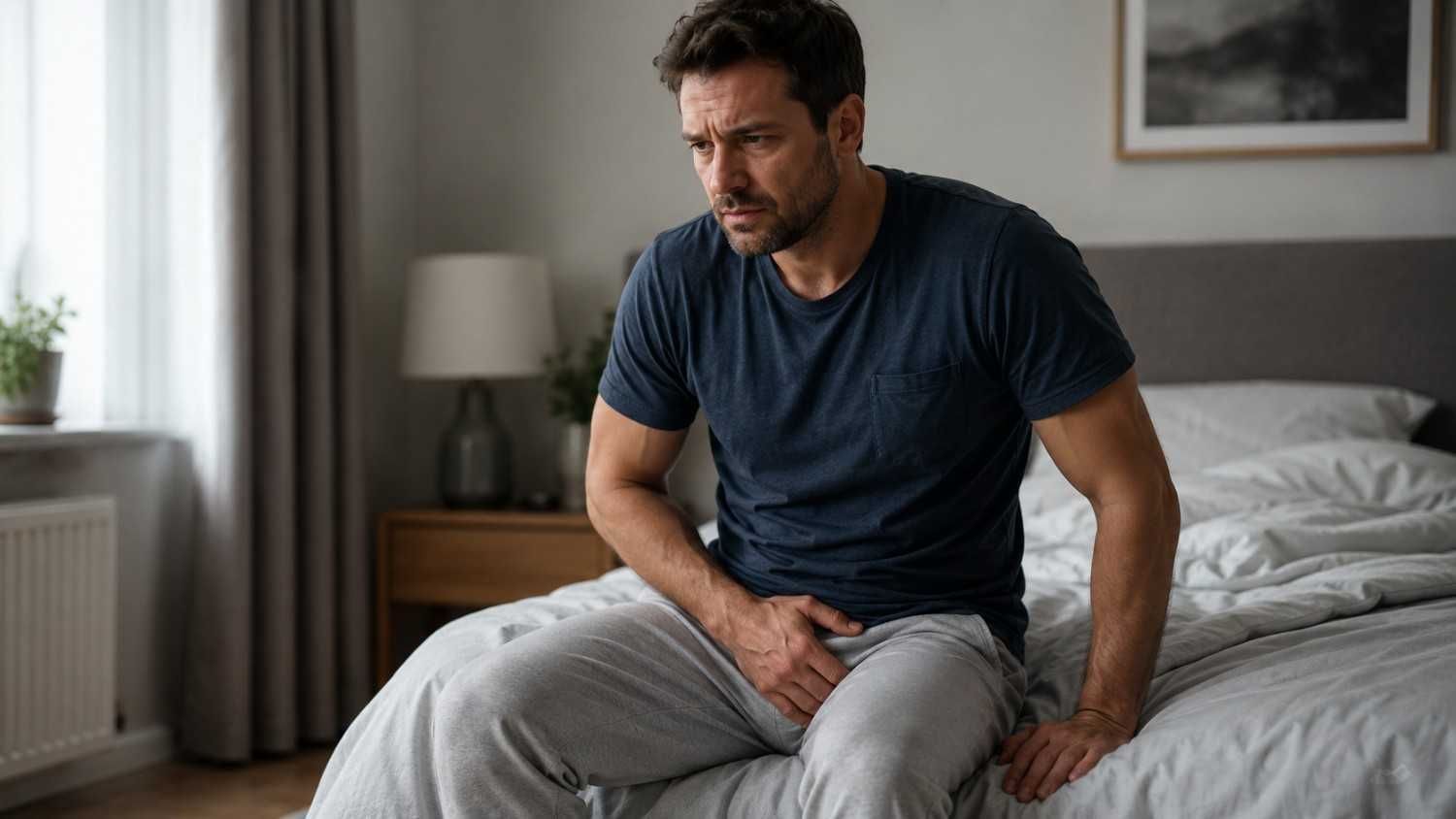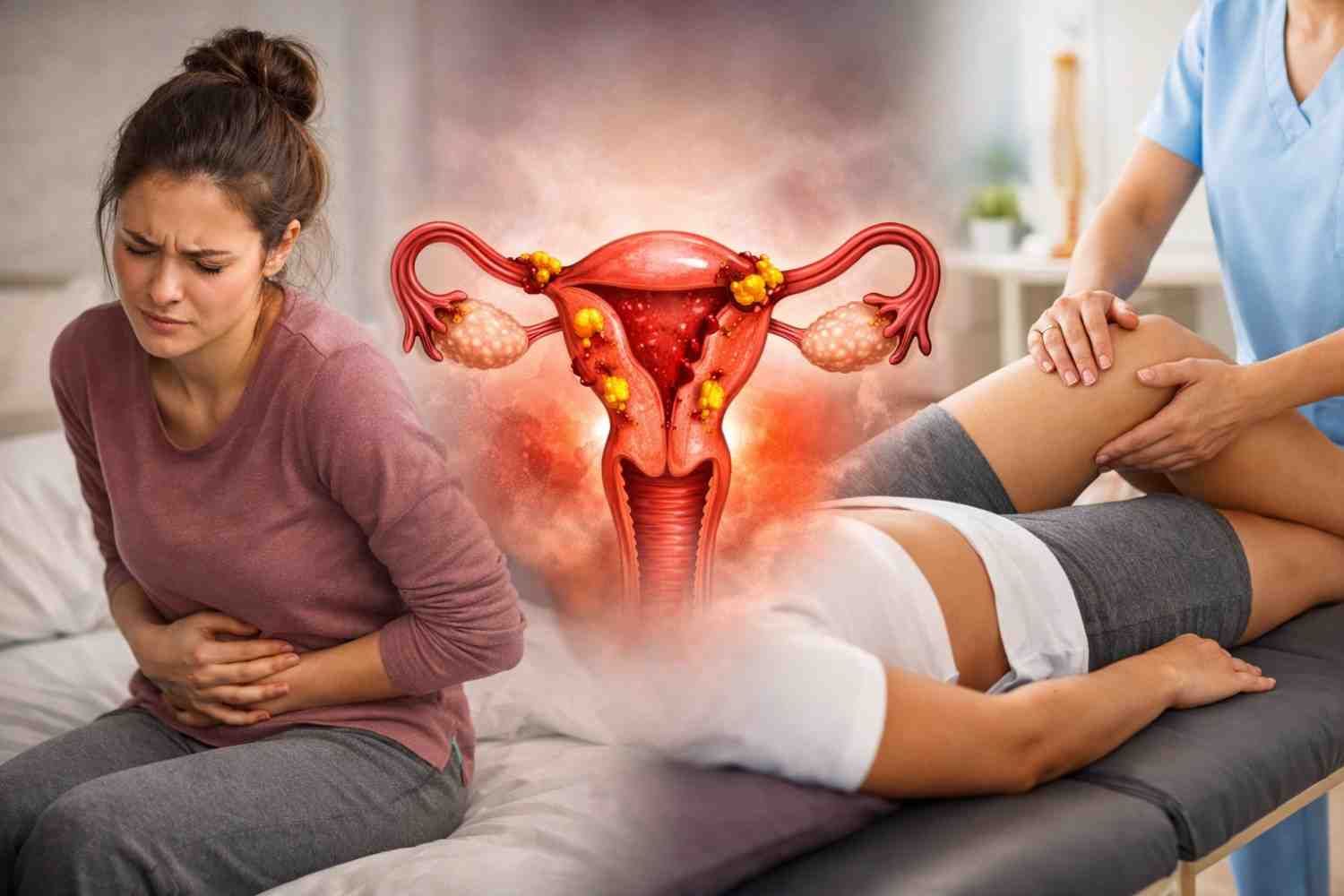

Pudendal Neuralgia in Men: Why It Is So Often Mistaken for Chronic Prostatitis
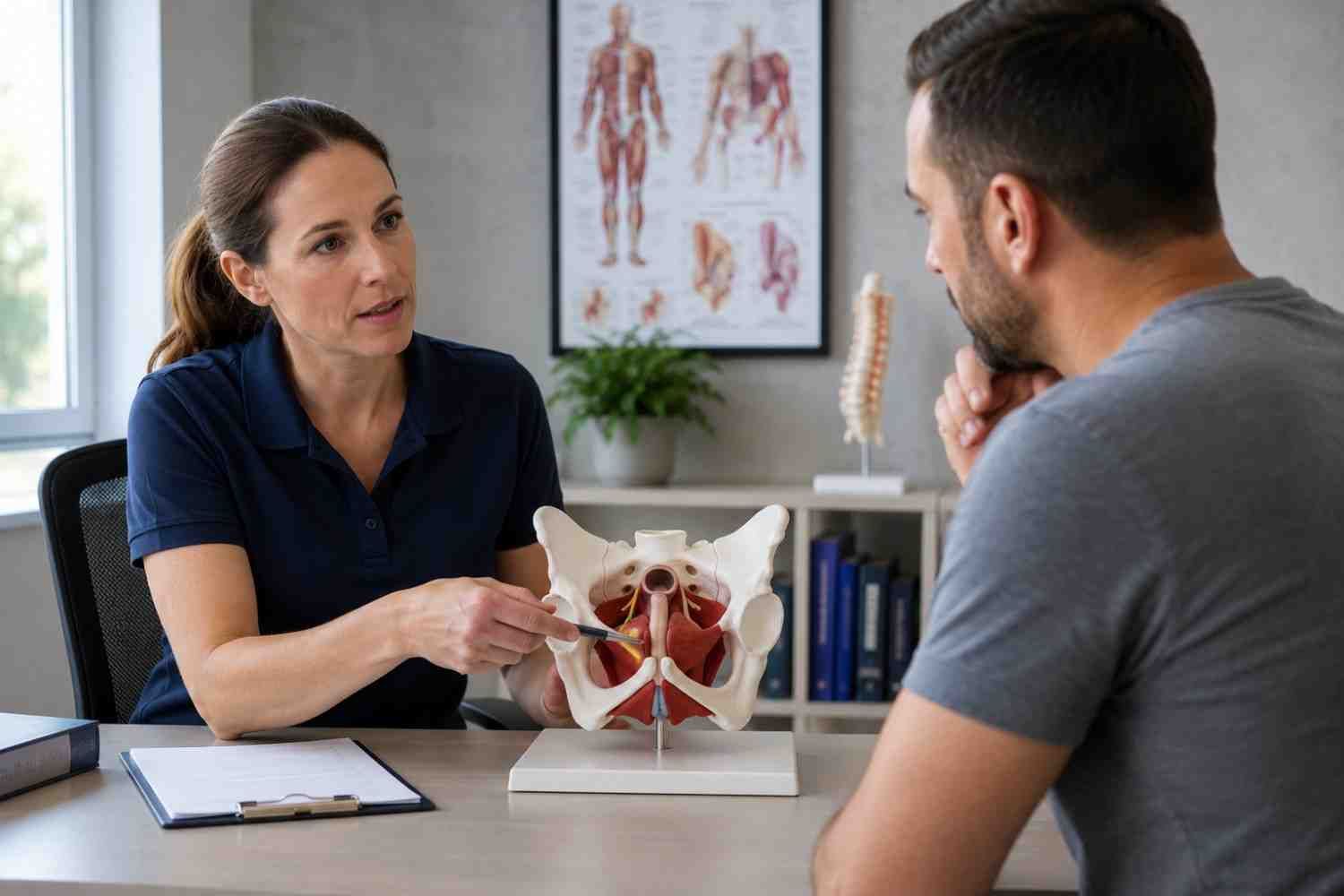
Chronic prostatitis is often checked first when a man has pelvic pain, urinary symptoms, or pain after ejaculation. That makes sense because prostate conditions can cause these symptoms. When tests are normal, or antibiotics give little change, the pelvic floor and pudendal nerve need closer evaluation.
I am Katie Beckham, a pelvic floor physical therapist with more than 15 years focused on pelvic health, and I treat both men and women. Men who contact me for pudendal nerve pain treatment in Houston, TX, often arrive with a prostatitis label and a symptom pattern that still needs explaining. This guide explains why pudendal neuralgia in Houston is often confused with chronic prostatitis and when pelvic floor evaluation becomes useful.
What Is the Difference Between Chronic Prostatitis and Pudendal Neuralgia?
Chronic prostatitis/chronic pelvic pain syndrome, often shortened to CPPS, is long-term pelvic pain in men. It can involve the prostate area, bladder symptoms, genital pain, rectal pressure, and pain during or after ejaculation. In many cases, testing finds no active bacterial infection.
Pudendal neuralgia is pain or abnormal sensation involving the pudendal nerve. The pudendal nerve provides sensation to form the perineum, penis, scrotum, rectal area, and part of the lower urinary tract. When it becomes irritated, compressed, or sensitized, the symptoms can feel urinary, sexual, rectal, or deep in the pelvis.
The two conditions are often confused because the pain appears in the same region. The felt location can be similar even when the source is different.
For a fuller explanation of the nerve itself, read my blog on pudendal neuralgia treatment.
Why Is Pudendal Neuralgia in Men Often Mistaken for Chronic Prostatitis?
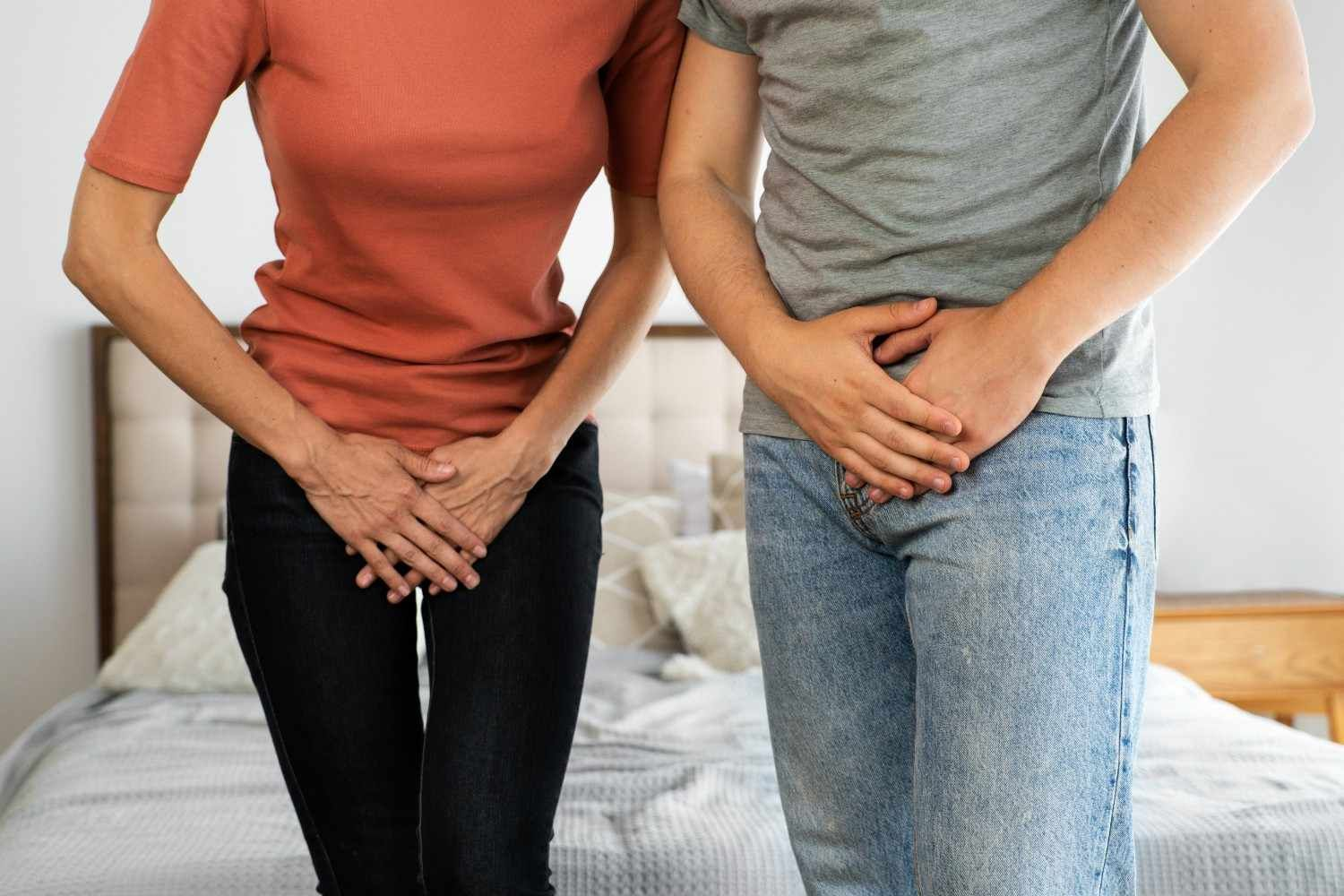
Pudendal neuralgia in men is often mistaken for chronic prostatitis because both can cause pelvic pain, urinary changes, and sexual symptoms.
A man may describe:
- Pain between the scrotum and anus
- Penile pain or urethral burning
- Rectal pressure
- Testicular or groin discomfort
- Urinary urgency or frequency
- Weak stream or hesitation before urinating
- Pain during or after ejaculation
- Pain that gets worse with sitting
These symptoms lead many men into a urology workup, which is the right first step. The next step depends on what the testing shows and how the symptoms behave over time.
If infection has been ruled out and the same symptoms continue, the pelvic floor, pudendal nerve, hips, bowel habits, sitting tolerance, and pain triggers should be evaluated together.
Can You Have Prostatitis Symptoms Without a Prostate Infection?
Yes. A man can have prostatitis-like symptoms without a confirmed prostate infection.
This is common in CPPS. Symptoms may include pelvic pain, urinary urgency, weak stream, pain after ejaculation, and discomfort in the penis, scrotum, perineum, rectum, or lower abdomen. Testing may find no bacteria.
That distinction matters because antibiotics treat bacterial infections. When cultures are negative, and antibiotics do not change the pattern, the evaluation should widen.
Possible contributors include:
- Tight pelvic floor muscles
- Pudendal nerve irritation
- Trigger points in pelvic muscles
- Constipation or straining
- Hip, tailbone, or low back involvement
- Long sitting or cycling
- Stress-related pelvic floor guarding
- Urinary symptoms caused by poor pelvic floor coordination
Some men looking for pudendal neuralgia in Houston are starting from this exact situation: specific symptoms, repeated flares, and no clear infection found.
Which Symptoms Overlap Between Chronic Prostatitis and Pudendal Neuralgia?
The overlap is the reason many men are unsure where to turn.
| Symptom | Seen with Chronic Prostatitis/CPPS | Seen with Pudendal Nerve or Pelvic Floor Involvement |
|---|---|---|
| Perineal pain | Yes | Yes |
| Penile discomfort | Yes | Yes |
| Rectal pressure | Yes | Yes |
| Urinary urgency | Yes | Yes |
| Weak stream or hesitancy | Yes | Possible with pelvic floor tension |
| Pain during or after ejaculation | Yes | Yes |
| Pain worse with sitting | Possible | Common clue |
| Burning, tingling, or electric sensation | Possible | More suggestive of nerve involvement |
When Does Sitting Pain Point Beyond the Prostate?
Pain that gets worse with sitting is one of the most useful clues. The pudendal nerve passes through areas that can be irritated by pressure. Sitting for long periods, driving, cycling, hard chairs, and pelvic floor tension can increase symptoms in some men.
Sitting pain may come from several structures:
- Tailbone irritation
- Hip muscle tension
- Deep pelvic floor trigger points
- Levator ani or obturator internus tension
- Nerve sensitivity after long-term pain
- Pressure through the perineum while sitting
A good plan for pudendal nerve pain therapy in Houston should sort through these possibilities before treatment begins.
If sitting is the main trigger, I want to know where the pressure is felt, how long it takes to start, whether standing helps, whether sitting on a toilet feels different, and whether symptoms flare after cycling, bowel movements, or ejaculation.
Those details help show whether the main issue is pressure, muscle guarding, nerve irritation, or a mixed pattern.
Can Pelvic Floor Dysfunction Create Prostatitis-Like Symptoms?
Yes. Pelvic floor dysfunction can create symptoms that feel like prostatitis.
The pelvic floor muscles help control urination, bowel movements, erection support, ejaculation, and pelvic pressure. When these muscles stay tight, guarded, painful, or poorly coordinated, they can refer to pain in the penis, perineum, rectum, testicles, groin, or urethra.
Urinary symptoms can also come from pelvic floor tension. A tight pelvic floor can make it harder to start urinating, create a weak stream, increase urgency, or leave a feeling that the bladder did not empty well.
Pelvic floor therapy for men is often misunderstood as Kegels. In painful pelvic floor patterns, treatment usually starts with release, lengthening, coordination, and reducing guarding.
Pudendal nerve physical therapy in Spring Branch should begin with assessment, not a generic exercise sheet. The same is true for pudendal neuralgia physical therapy in Memorial, TX. If the pelvic floor is contributing, treatment should address muscle tone, trigger points, breathing, pressure, and daily triggers.
For more on this broader approach, see my page on men’s pelvic floor physical therapy.
What If Antibiotics and Normal Tests Have Not Given You Answers?
Normal testing is valuable. It can help rule out infection, urinary retention, stones, tumors, and other medical problems.
Pelvic floor tone, trigger points, nerve sensitivity, sitting tolerance, bowel mechanics, and muscle guarding are evaluated in a different way. These findings come from a detailed history and hands-on pelvic floor assessment.
A practical next-step framework is:
- Rule out infection and urgent medical causes.
- Track triggers such as sitting, ejaculation, urination, bowel movements, cycling, and stress.
- Notice what reduces symptoms, such as standing, lying down, heat, breathing, or movement.
- Assess the pelvic floor, hips, low back, tailbone, and pudendal nerve path.
- Treat the findings instead of repeating the same plan.
This keeps the prostate in the picture while also evaluating the rest of the pelvis.
How Does Pelvic Floor Therapy Help Men With Prostatitis-Like Pelvic Pain?
Pelvic floor therapy may help when tight muscles, poor coordination, trigger points, nerve irritation, or pressure sensitivity are part of the symptom pattern.
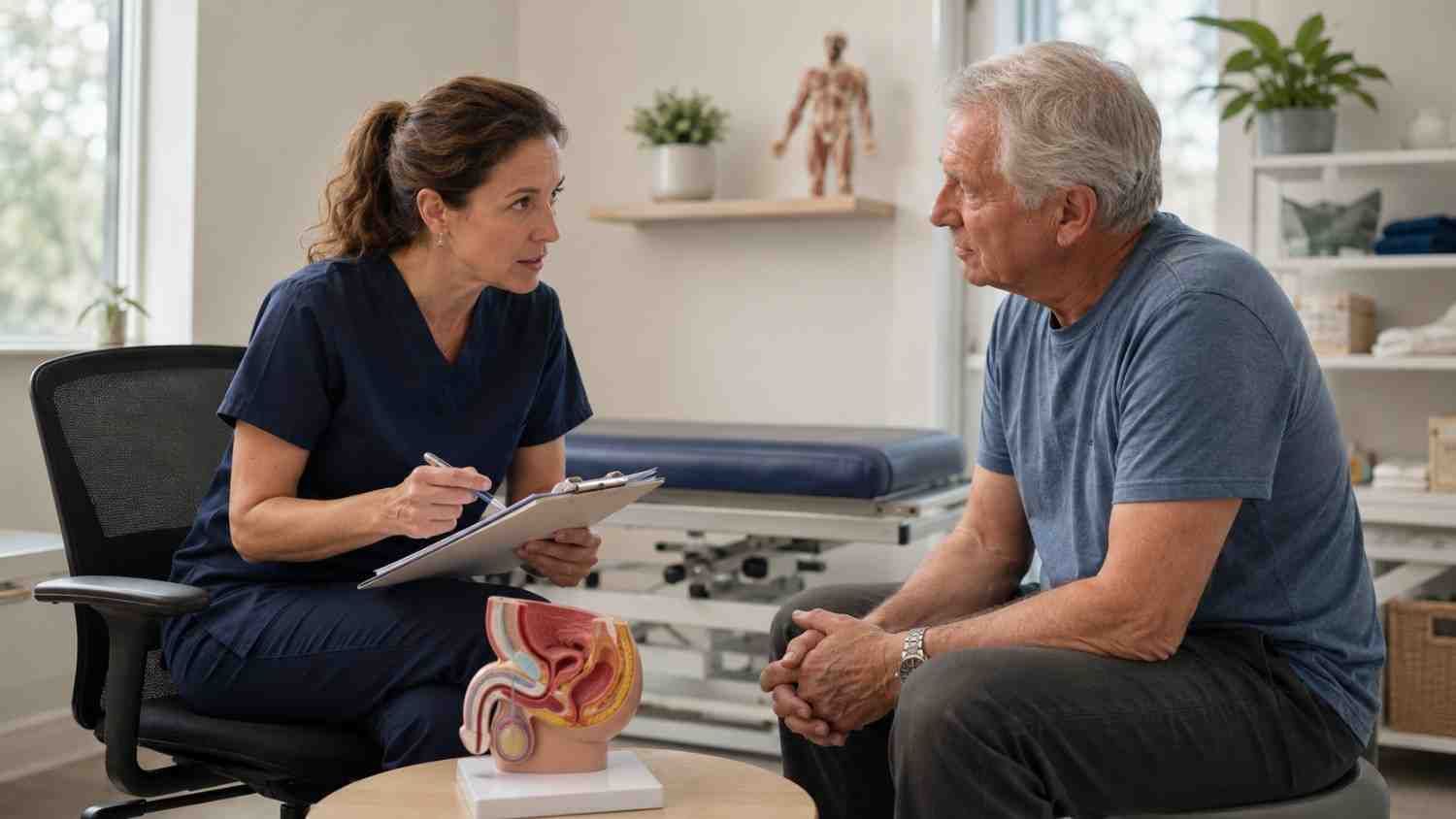
For pudendal nerve pain treatment in Houston, TX, I start with the history. I want to know when the symptoms began, what tests have already been done, what treatments have been tried, and what makes symptoms better or worse.
Treatment may include:
- Manual therapy for tight pelvic floor muscles
- Myofascial release for restricted tissue
- Trigger point work when pain refers into the penis, rectum, perineum, or groin
- Breathing work to reduce pelvic floor guarding
- Pelvic floor down-training when muscles are overactive
- Hip, low back, and pelvic mobility work
- Bowel mechanics if constipation or straining is involved
- Sitting changes and pressure-management strategies
- Education for urinary urgency, ejaculation pain, and flare control
In pudendal nerve pain therapy in Houston, the goal is to find the main source of irritation and reduce the load on that area.
If you are considering pudendal nerve physical therapy in Spring Branch, the first visit should answer practical questions. Is the main issue muscle tension, nerve sensitivity, sitting pressure, bowel strain, urinary coordination, or a mixed pattern?
In pudendal neuralgia physical therapy in Memorial, TX, I do not assume every man needs the same treatment. Some men need internal pelvic floor work. Some need external work first. Some need nerve-sensitive movement. Some need bowel and sitting changes before deeper manual work is appropriate.
Is Pudendal Nerve Treatment Necessary for Every Man With Prostatitis Symptoms?
No. Some men have bacterial prostatitis and need medical care. Some have bladder-driven symptoms. Some have prostate enlargement. Some have referred pain from the back, hip, or tailbone. Some have pelvic floor dysfunction without true pudendal neuralgia.
A pelvic floor assessment is worth considering when:
- Infection has been ruled out
- Antibiotics have not changed the symptom pattern
- Sitting reliably worsens symptoms
- Pain involves the perineum, rectum, penis, or scrotum
- Urinary symptoms occur with pelvic tightness
- Pain after ejaculation keeps returning
- Tests are normal but symptoms remain specific
Pudendal nerve pain therapy in Houston may be appropriate when the pattern points to pelvic floor or nerve involvement.
When Should You See a Urologist First?
Medical evaluation comes first when symptoms may suggest infection, urinary blockage, or another urgent problem.
See a medical provider promptly if you have:
- Fever or chills with urinary symptoms
- Blood in the urine
- Inability to urinate
- Severe lower abdominal pain
- New severe testicular pain
- New numbness or weakness
- Suspected STI or UTI
- Unexplained weight loss
- New symptoms after surgery, trauma, or a procedure
Pelvic floor therapy fits best after urgent and medical causes have been checked, or alongside medical care when your provider recommends it.
How I Approach Pudendal Neuralgia and Prostatitis-Like Pain in Men
I do not treat the word prostatitis as the full answer when the pattern suggests more is involved.
I look at:
- Pain location
- Sitting tolerance
- Urinary symptoms
- Ejaculation symptoms
- Bowel habits
- Hip and low back contribution
- Pelvic floor tone and coordination
- Nerve sensitivity
- What has already been ruled out medically
For pudendal nerve pain treatment in Houston, TX, this matters because treatment should match the findings. If the pelvic floor is overactive, the plan should calm it. If the pudendal nerve is sensitive, the plan should protect and desensitize it. If bowel strain is part of the problem, that needs to be addressed. If sitting pressure is a major trigger, the plan needs a sitting strategy.
Men searching for pudendal neuralgia in Houston often need this kind of focused assessment because the symptoms have already been placed under one name without fully explaining the pattern.
If you are looking for pudendal nerve physical therapy in Spring Branch or pudendal neuralgia physical therapy in Memorial, TX, I can evaluate the pelvic floor and related structures in a private, one-on-one setting. Call me at (281) 728-4604 or use my contact page to ask whether this type of care fits your situation.
FAQs
Can pudendal neuralgia feel like chronic prostatitis?
Yes. Pudendal neuralgia can feel like chronic prostatitis because both may involve perineal pain, urinary symptoms, penile discomfort, and pain during or after ejaculation. Sitting-related pain, burning, tingling, rectal pressure, or genital nerve symptoms may point toward pudendal nerve or pelvic floor involvement.
Can pelvic floor therapy help if antibiotics did not work?
It may help when infection has been ruled out and symptoms are connected to pelvic floor tension, guarding, trigger points, poor coordination, or nerve sensitivity. Antibiotics treat bacteria. Pelvic floor therapy addresses mechanical, muscular, and nerve-related contributors.
Is sitting pain always pudendal neuralgia?
No. Sitting pain can happen with pudendal neuralgia, but it can also come from pelvic floor overactivity, tailbone pain, hip tension, deep pelvic muscle trigger points, or pressure sensitivity. Sitting pain is a clue, not a diagnosis.
Do men with pelvic pain need Kegels?
Not automatically. Men with pelvic pain often have tight or guarded pelvic floor muscles. In those cases, Kegels can be the wrong starting point. Treatment may need relaxation, down-training, breathing, manual therapy, mobility work, or coordination training first.
What should I expect from pudendal nerve pain therapy in Houston?
Expect a detailed history, review of symptoms and triggers, pelvic floor and movement assessment, and a plan based on your findings. The goal is to identify whether the main issue is muscle tension, pudendal nerve irritation, sitting pressure, bowel strain, urinary coordination, or a mixed pattern.