
When Tight Muscles Trigger Pelvic Pain: How Therapeutic Full-Body Massage Can Help
Katie Beckham • October 26, 2026

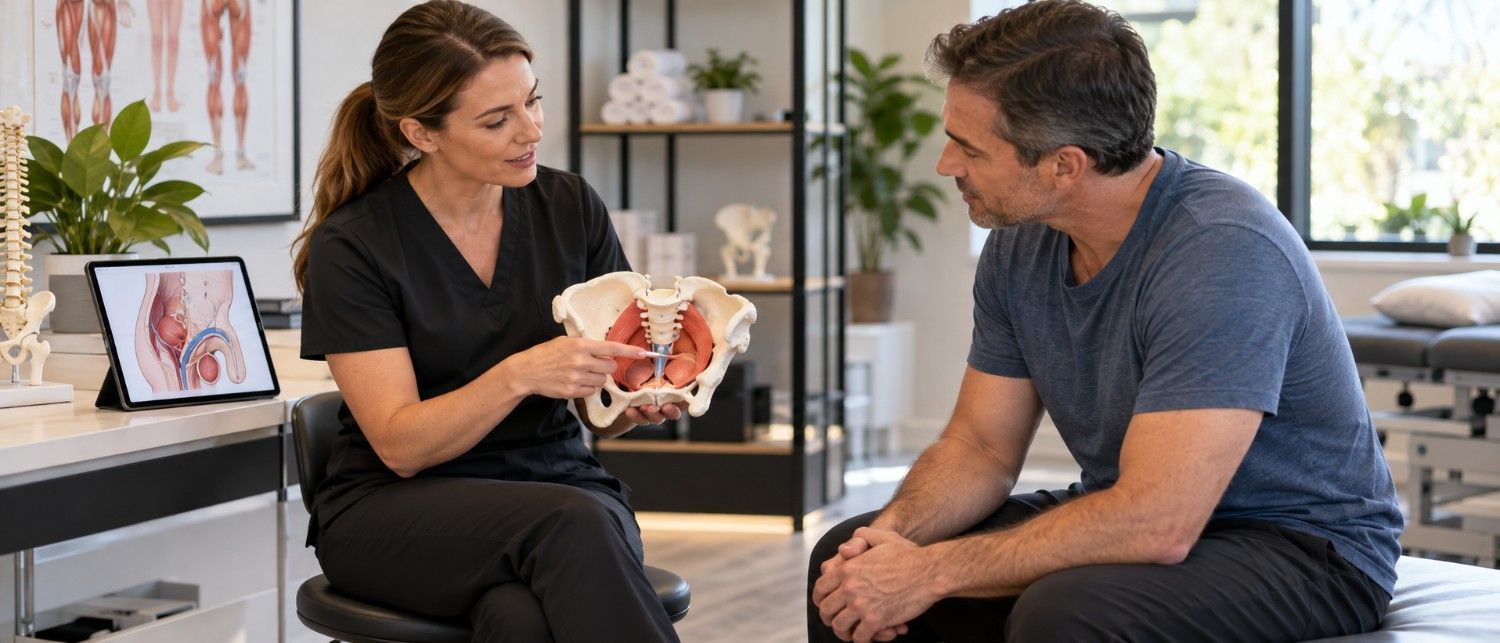
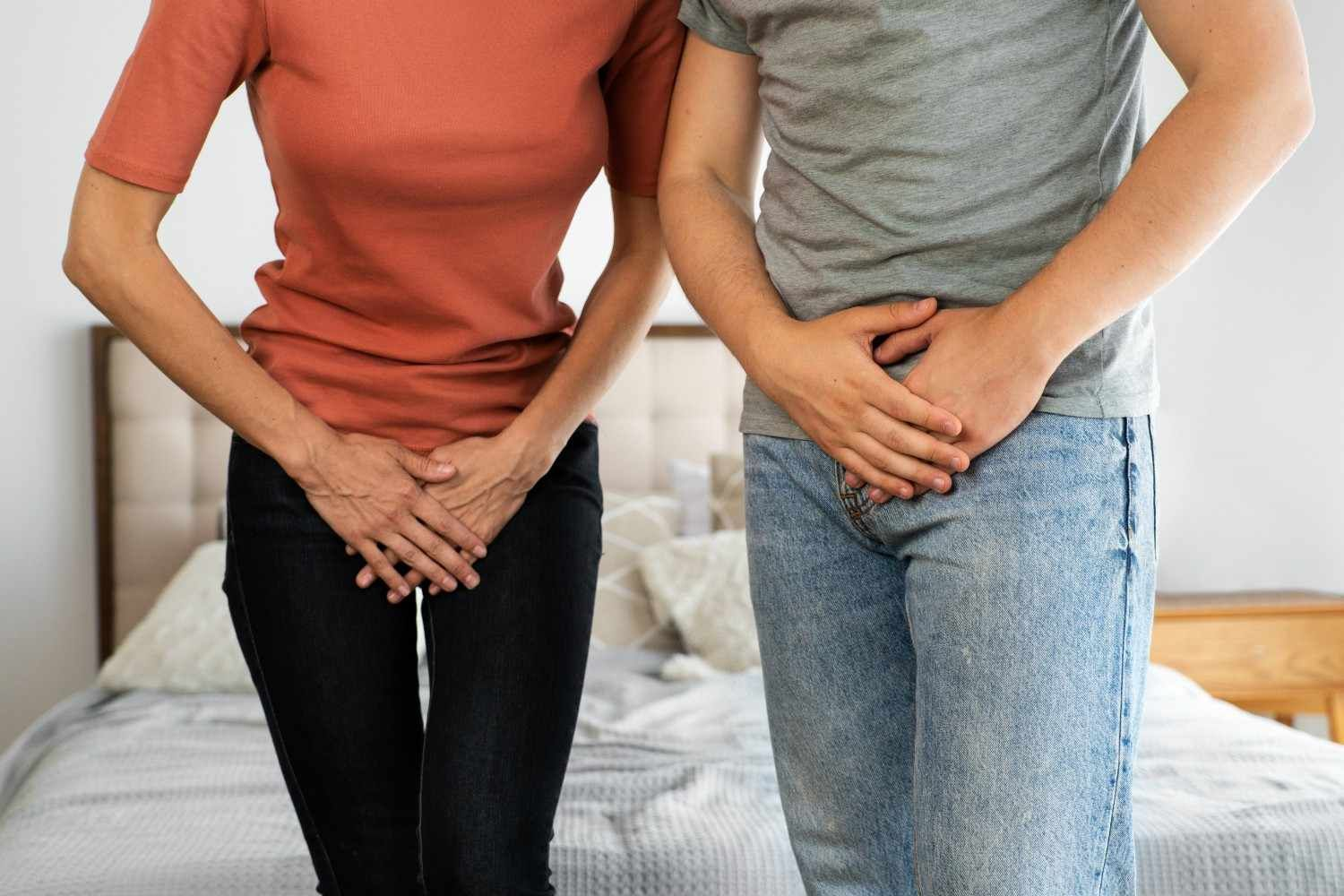
Pelvic pain can make everyday movement, sitting, and overall comfort difficult, but the source of that discomfort may not always be the pelvis itself. Tension in the hips, lower back,  or abdomen can also affect how the body moves. 


I’m Katie Beckham. With advanced training in pelvic health, I provide
pelvic floor therapy in Houston. In my practice, I take a whole-body approach to identify these connections and tailor treatment to each patient’s needs. 


Tight Hips, Back Tension, and Pelvic Pain Can Be Connected


The pelvic floor does not work by itself. It works with the muscles around the hips, abdomen, and back to support movement and stability.


When certain muscles remain tight or overactive, the body may compensate by changing how it moves or holds tension. For some people, this can occur alongside pelvic floor overactivity or discomfort. 

A study published in ScienceDirect also suggests that the pelvic floor works closely with the muscles around the hips and back, and changes in these muscles may be linked to pelvic and lower back pain. 

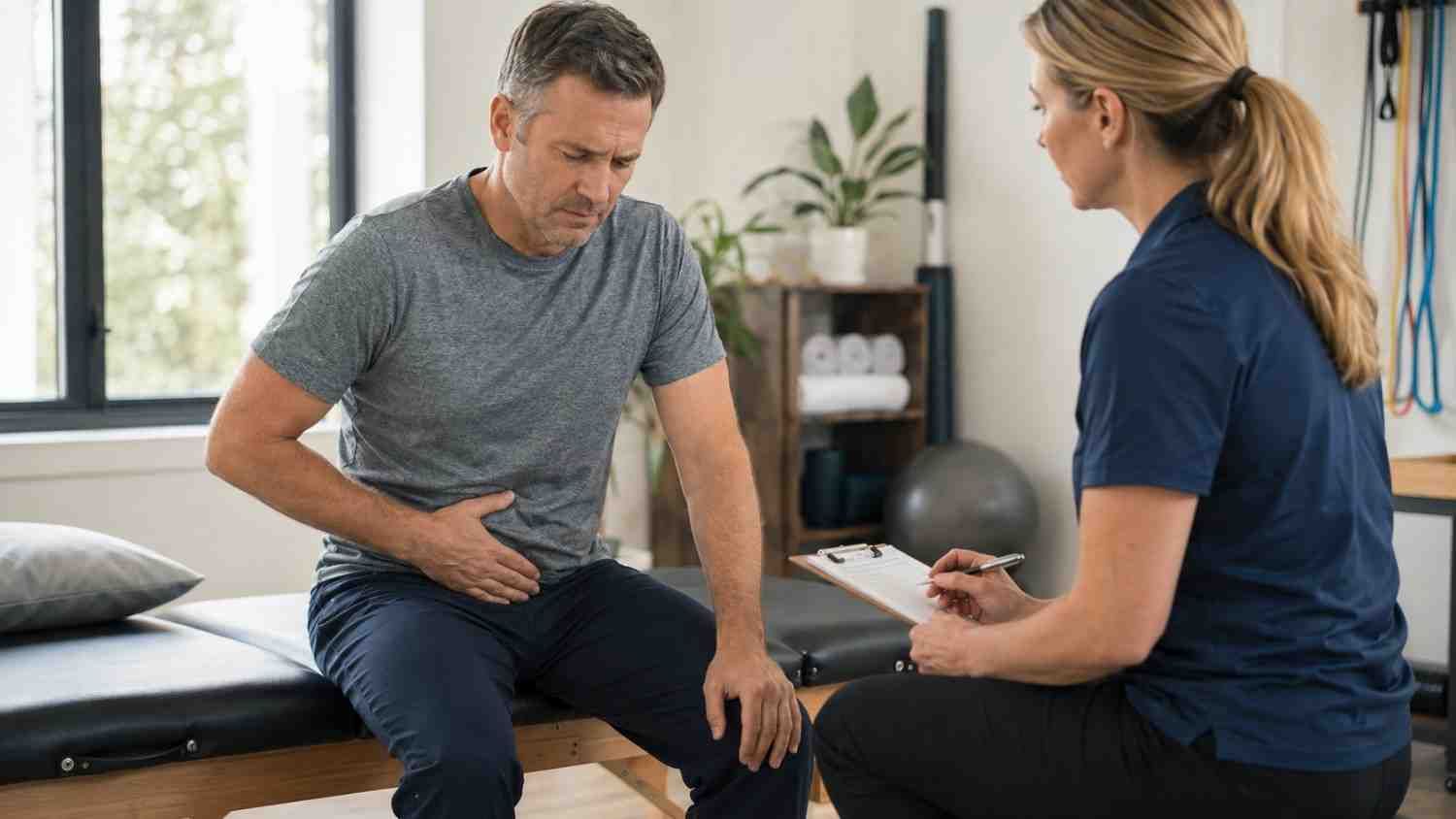
During an evaluation, I assess how surrounding muscles, movement, and pelvic floor activity may interact to better understand each patient’s symptoms: 


  • Tight hip muscles
  • Lower-back tension
  • Glute and abdominal tension
  • Limited mobility
  • Pelvic floor overactivity


Depending on your symptoms and treatment goals, I primarily use hands-on/ manual techniques to support pelvic floor  muscles  during the treatment process. I address , correct muscle tension, strengthen as indicated,  and improve  pelvic floor function and comfort. 

Pelvic floor dysfunction and lower back pain can occur together.Harvard Health explains the connection.


Benefits of Full-Body Massage From a Therapist

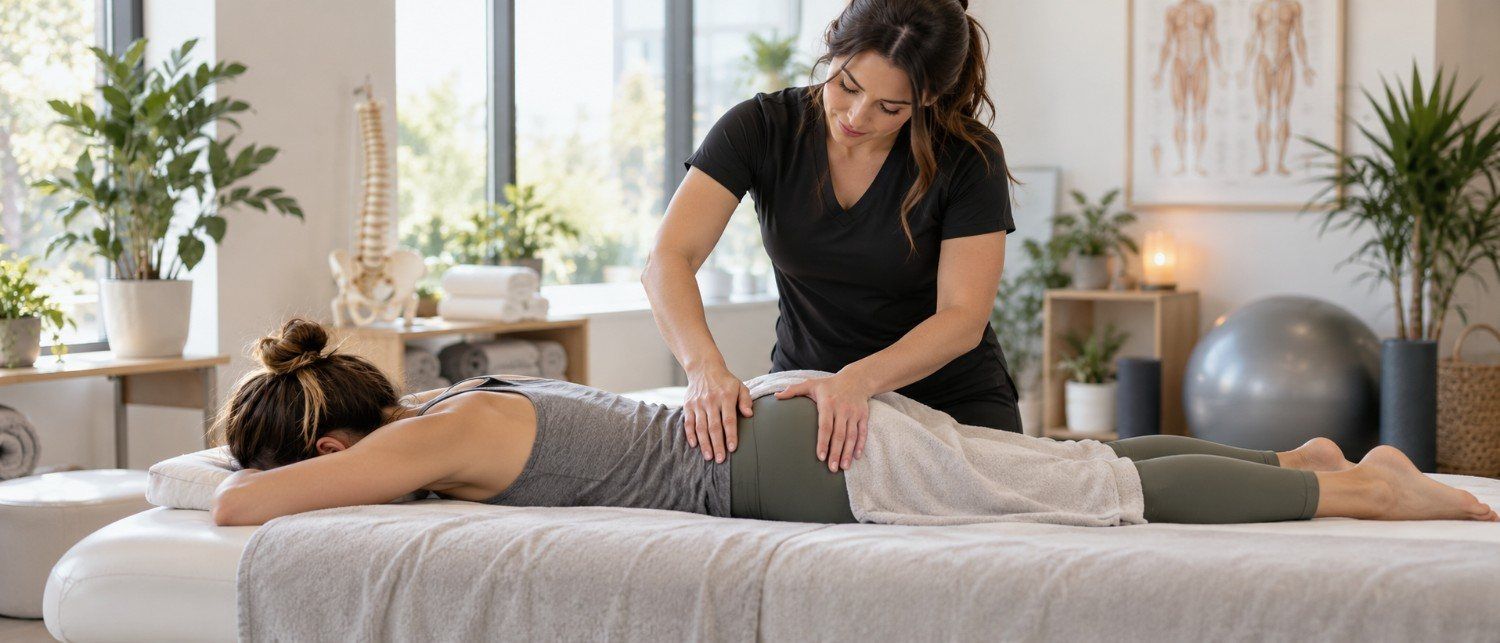
Therapeutic full-body massage can complement pelvic health care when muscle tension, stiffness, or restricted movement contributes to pelvic symptoms. When appropriate, it can support comfort, mobility, and relaxation as part of an individualized treatment plan. Full body massage is also a beneficial way to augment or maintain your progress. 


Relieves Muscle Tension

Depending on the assessed area, I may use pressure, kneading, stretching, or targeted release techniques to relax tight muscles and improve movement. For people in Houston  experiencing pelvic discomfort, reducing tension in these connected areas may make everyday movement more comfortable and complement pelvic floor physical therapy. 


Promotes Relaxation and Better Sleep

Therapeutic massage can help the body shift out of a tense state by reducing physical tightness. This relaxation may make it easier to unwind and sleep more comfortably when pain or muscle tension interferes with rest.


Improves Circulation

Hands-on massage increases blood flow to the tissues being treated. Better circulation can support the body's normal recovery processes and help muscles feel less stiff, particularly after prolonged sitting or physical activity.


Supports Recovery After Physical Strain

Massage can help manage muscle soreness and tension after exercise, repetitive activity, or physical strain. When appropriate, it can be combined with other rehabilitation techniques to support a gradual return to comfortable daily movement.


Full-body massage offers benefits beyond relaxation. Mayo Clinic Health System explains the potential benefits of massage therapy. 


How Therapeutic Full-Body Massage Differs From a Spa Massage

People often confuse relaxation and therapeutic massage, but they serve different purposes. Relaxation massage focuses on comfort, while therapeutic massage targets specific muscle tension, movement issues, and treatment goals. 

Spa or Salon Massage Therapeutic Massage
Primarily designed for relaxation and stress relief Focuses on specific muscle tension, symptoms, and treatment goals
Typically follows general massage techniques Uses targeted techniques based on the areas that need attention
Usually provided as a standalone service Can be combined with physical therapy and other treatments
Focuses mainly on relaxation and the massage experience Considers movement, muscle function, and individual needs

When appropriate, I may work on the hips, lower back, glutes, abdomen, or other areas holding tension. Pain is not always coming from the area that hurts. By looking at the surrounding muscles and tissues, I can better understand what may be contributing to the problem and tailor treatment accordingly. 


When Should You Consider a Whole-Body Approach?

A whole-body assessment may be worth discussing when pelvic symptoms occur alongside:


  • Pelvic pain that continues despite normal test results
  • Pain or discomfort with prolonged sitting
  • Tight hips or lower-back tension
  • Difficulty relaxing the pelvic floor
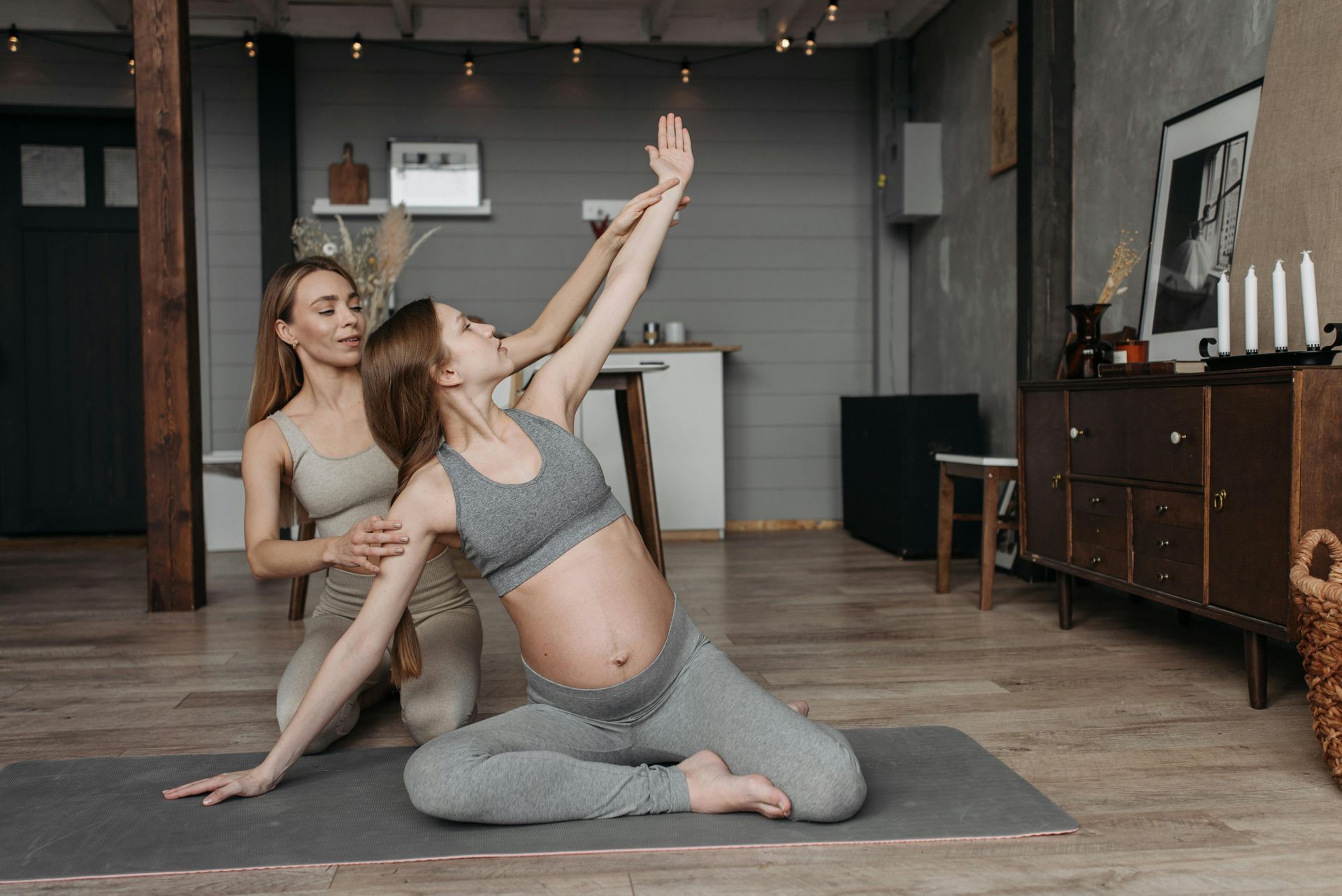
  • Postpartum discomfort
  • Symptoms that change with movement, breathing, or stress


These symptoms can have different causes, so proper assessment matters.


How Full-Body Massage Can Support Pelvic Health

Pelvic discomfort can stem from tension beyond the pelvic floor. Tight hips, lower-back stiffness, glute tension, or restricted movement may affect comfort and movement. Therapeutic full-body massage can address these areas as part of a personalized pelvic health plan.


At Beckham Physical Therapy and Wellness, I use a whole-body approach to identify areas of tension and determine where hands-on treatment may be helpful. When appropriate, I combine therapeutic massage with pelvic floor physical therapy to address muscle tension while tailoring care to each patient’s symptoms and goals.


FAQs

Can a full-body massage help with pelvic pain?

It may help when muscle tension in the hips, lower back, glutes, or abdomen contributes to discomfort. Therapeutic massage can be part of a science-based approach to treating pelvic floor pain, supporting muscle relaxation and more comfortable movement. 


Where is full-body therapeutic massage available?

Beckham Physical Therapy and Wellness offers therapeutic full-body massage in Houston, Texas, from a private, home-based setting in the Memorial area. 


How long does a therapeutic full-body massage session take?

A therapeutic full-body massage session typically lasts 55 minutes. I may adjust the time spent on different areas based on muscle tension, discomfort, and the goals identified during the evaluation.

Consider scheduling a full body massage: $220.

By Katie Beckham • October 26, 2026
Learn how pelvic floor therapy may help manage bladder urgency, constipation, and bowel control problems. Explore personalized care in Houston, TX.
By Katie Beckham • October 26, 2026
An erection depends on nerve signals, blood flow, and muscles working together. When that coordination changes, or misfires, you may struggle to get firm or stay firm, even when you feel sexually interested. I’m Katie Beckham, and I provide men’s pelvic floor physical therapy in Houston . Understanding how erections work can help you make sense of changes and find appropriate care. The pelvic floor can play a role, alongside your circulation, nerves, hormones, and emotional health. How Does an Erection Happen and Stay Firm? An erection develops when nerve signals arousal and allows more blood into the penis and the surrounding tissues limit how quickly blood leaves. Nerve signals start the response Touch, sexual thoughts, or other arousal signals prompt nerves to release chemical messengers, including nitric oxide. These messengers help smooth muscle inside the penis relax. Smooth muscle works automatically, so you do not consciously control this step by squeezing or pushing. Blood fills the erectile tissue That relaxation allows more blood to enter two spongy chambers, of the penis, called the corpora cavernosa. As they fill, the penis expands and becomes firmer. The tissue must relax enough to make room for that incoming blood. This is why an erection involves a change in muscle activity as well as an increase in circulation. Reduced blood outflow supports firmness The expanding tissue presses against veins that normally carry blood away. This slows blood outflow and helps maintain the erection. As the response ends, smooth muscle tightens again, blood inflow decreases, and blood drains more freely. This explains why both healthy circulation and muscle relaxation matter for erectile function. (Read about this process in detail ) What Do Pelvic Floor Muscles Do During an Erection? Pelvic floor muscles help support erection firmness. They sit at the base of the pelvis and also contribute to bladder and bowel control and ejaculation. These muscles differ from the smooth muscle inside the penis. Penile smooth muscle relaxes to allow filling. Certain pelvic floor muscles then help compress the blood-filled structures near the base of the penis. This raises pressure within the erectile tissue and helps support a firmer erection. Healthy men’s pelvic floor function involves strength, relaxation, and timing. Constantly squeezing these muscles does not recreate that coordination. They need to contract and release appropriately. Erection and ejaculation also involve different processes, although they share some of the same muscles and nerves. A change in ejaculation does not automatically mean that you have ED. Describing each symptom separately helps your clinician understand which functions need attention. Why Can You Get an Erection but Struggle to Keep It? Erectile dysfunction, or ED, means difficulty getting or maintaining an erection firm enough for sex. An occasional difficulty does not automatically mean an ongoing disorder, but repeated changes deserve attention. Several factors can contribute: Blood vessel or nerve problems: Diabetes and cardiovascular conditions can affect the signals or circulation that erections need. Pelvic , or back , surgery can also affect erectile function. Hormones or medication: Low testosterone and certain medicines may contribute to sexual difficulties. Stress or performance pressure: Worry can interrupt arousal and make an already difficult experience more challenging. Pelvic floor dysfunction: Problems with muscle tension, strength, or coordination may contribute in some men. (Getting an erection but losing firmness too quickly for pleasure) Premature Ejaculation - performance anxiety | difficult to correct the longer you suffer with premature ejaculation | addiction to porn and overuse of porn ) (We gotta bullets for these too) These factors can overlap. Losing firmness does not identify the cause, and sexual desire alone cannot guarantee an erection. For example, an initial difficulty with firmness may lead to worry about the next sexual encounter. That worry can then add to an existing physical problem. Both parts deserve attention. A medical evaluation helps narrow down what needs treatment. NIDDK outlines common causes of ED. (Add the links to the resources) Can a Tight or Weak Pelvic Floor Affect Erections? Both weakness and excessive tension can interfere with pelvic floor function. Some men also struggle to coordinate a contraction or fully release it afterward. A weak muscle may have trouble producing or maintaining an effective contraction. A muscle that stays tense may struggle to relax and move through its usual range. Tightness therefore does not necessarily mean useful strength. An assessment checks both how you squeeze and how you let go. That makes “do more Kegels” an incomplete answer. Kegels are pelvic floor contractions, and the right exercise plan depends on what an assessment finds. If you already hold excessive tension, adding repeated contractions may aggravate discomfort. You may need to learn relaxation before progressing to strengthening.
By Katie Beckham • October 23, 2026
Explore men’s prostate health therapy in Houston, TX, with specialized care for prostate concerns and pelvic floor issues. Find support for better comfort and well-being.
By Katie Beckham • October 23, 2026
Learn why sex can hurt after childbirth and how postpartum pelvic floor therapy in Houston, TX can support recovery. Call Beckham PT at (281) 728-4604.
By Katie Beckham • September 15, 2026
Pelvic pain, bladder changes, bowel trouble, and shifts in intimacy are common, and they are not something you have to accept as normal. A clear test result doesn't mean nothing is wrong. It usually means the real cause hasn't been found yet. I hear this every week in my practice. Pelvic issues rarely show up as one clean symptom; they show up as pain in one place, bladder trouble in another, and changes in intimacy no one warned you about. Pelvic floor physical therapy in Houston, TX is often the piece that finally explains what's going on, and once you know the cause, there's a real path to relief. Key Takeaways Pelvic floor dysfunction means the muscles supporting your bladder, bowel, and reproductive organs are too tight, too weak, or not coordinating properly. It shows up in more ways than pain alone: bladder habits, bowel function, intimacy, and physical stability can all be affected. Kegels are not a universal fix. For some people, they make symptoms worse. Normal test results don't rule out a real, treatable problem. Pelvic floor physical therapy is non-surgical, evidence-based, and works for men and women. I'm Katie Beckham, and I treat pelvic floor dysfunction as a pelvic floor therapist in Houston, TX , working with men and women one-on-one in a private, home-based setting. What Is Pelvic Floor Dysfunction? Your pelvic floor is a group of muscles stretching from your pubic bone to your tailbone and from hip to hip, forming a basket of supportive muscles. It supports your bladder, bowel, and reproductive organs, and plays a direct role in urination, bowel movements, and intimacy. Pelvic floor dysfunction happens when these muscles stop working the way they should, either too weak to hold things in place, too tight to relax when they need to, or a mix of both in different muscles at once. This is not one disease with one symptom. It's a pattern, and the pattern looks different for everyone. That's why so many people go months or years without a clear answer, and why the right pelvic floor dysfunction treatment in Houston, TX, starts with someone who looks at the whole picture instead of one symptom in isolation. The right pelvic floor therapy in Houston, TX , depends on understanding which pattern you're dealing with, not only naming the diagnosis. What Does Pelvic Floor Dysfunction Feel Like? Pain Pelvic, vaginal, testicular, penile, or rectal pain Tailbone pain (coccydynia) Groin or lower abdominal pain that doesn't ease with stretching or rest Pain with prolonged sitting Bladder and bowel symptoms Urinary urgency, frequency, or a weak or slow stream Trouble fully emptying the bladder or bowel Leaking urine or stool Constipation, straining, or painful bowel movements Sexual and intimacy-related symptoms Pain during or after sex (dyspareunia) Erectile dysfunction linked to pelvic floor tension Painful ejaculation or decreased sensitivity Involuntary tightening that makes penetration painful or impossible (vaginismus), or chronic burning pain in the vulva (vulvodynia) Painful orgasm Pregnancy, postpartum, and post-surgical symptoms Pelvic pressure, heaviness, or leaking with coughing, sneezing, or exercise Diastasis recti (abdominal muscle separation) Sharp pain at the front of the pelvis or in the lower back with walking or turning over in bed (pubic symphysis dysfunction or SI joint pain) Symptoms following prostatectomy or other pelvic surgery Pain or numbness from surgical scarring Most people only connect one or two of these to their pelvic floor. In my experience, they're almost always related, and treating them together gets better, faster results than chasing each symptom on its own. What Causes Pelvic Floor Dysfunction?
By Katie Beckham • August 11, 2026
Find personalized pelvic floor physical therapy for penile, pelvic & pudendal nerve pain in Houston, TX. Work with a pelvic floor therapist for men. Book today!
By Katie Beckham • August 10, 2026
Recover with expert postpartum, pelvic floor, tailbone pain, and urinary incontinence physical therapy in Spring Branch, Houston. Schedule your personalized consultation today.
By Katie Beckham • June 26, 2026
Expert urinary incontinence treatment in Fulshear, Memorial, and Houston, TX. Get relief from stress urinary leakage with personalized pelvic floor therapy. Schedule today.
By Katie Beckham • June 26, 2026
Find effective pudendal nerve pain treatment in Houston TX. Specialized physical therapy for pudendal neuralgia, pelvic pain, and nerve-related discomfort in Houston, Spring Branch, and Memorial. Schedule your consultation today.
By Katie Beckham • June 26, 2026
Discover effective pelvic therapy for PGAD in Houston. We provide individualized care for Persistent Genital Arousal Disorder, serving Spring Branch, Memorial, Bellaire, and Bunker Hill Village. Call today to get started.