
Penile Pain FAQs: Causes, Symptoms, Treatment, and When to Seek Help
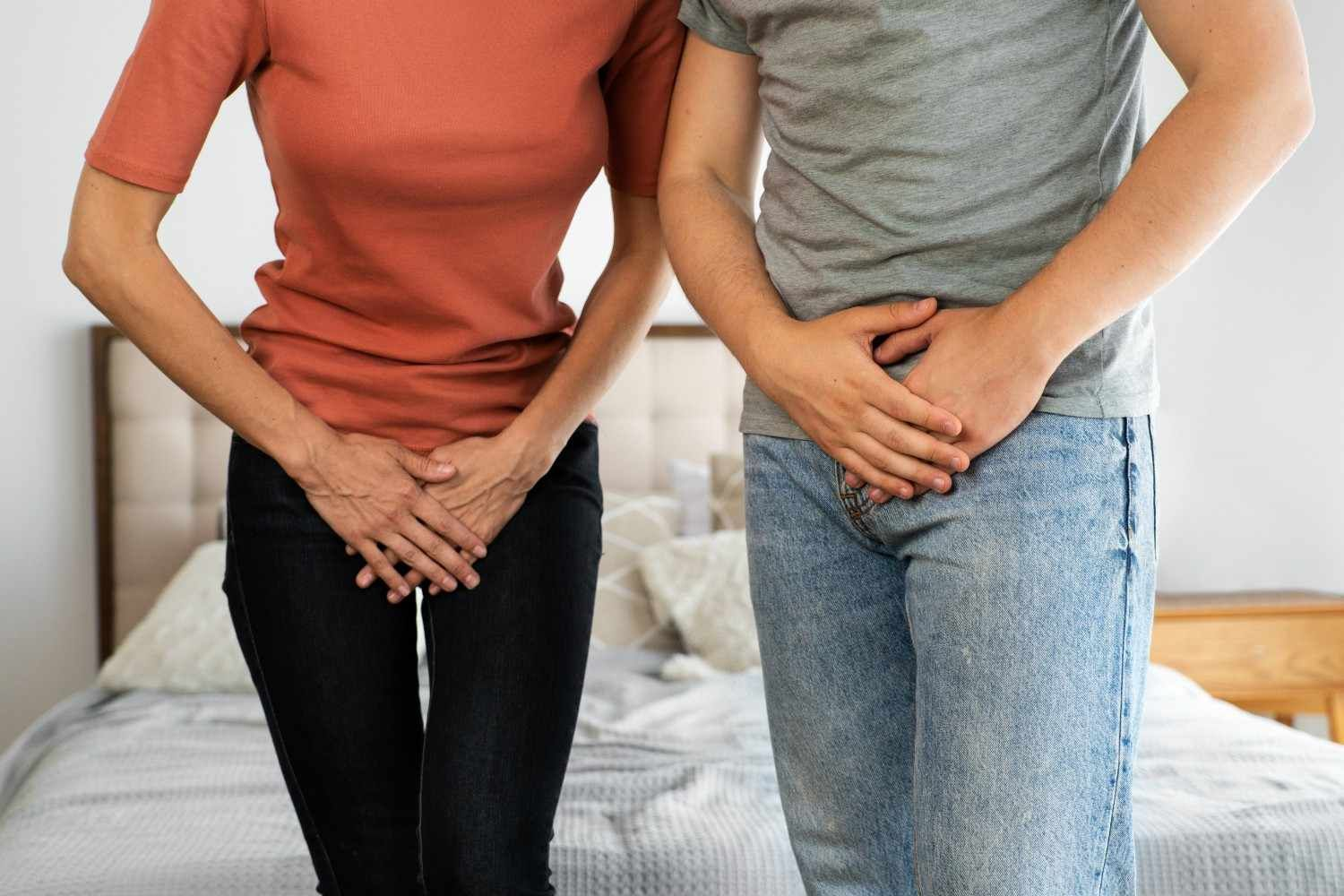
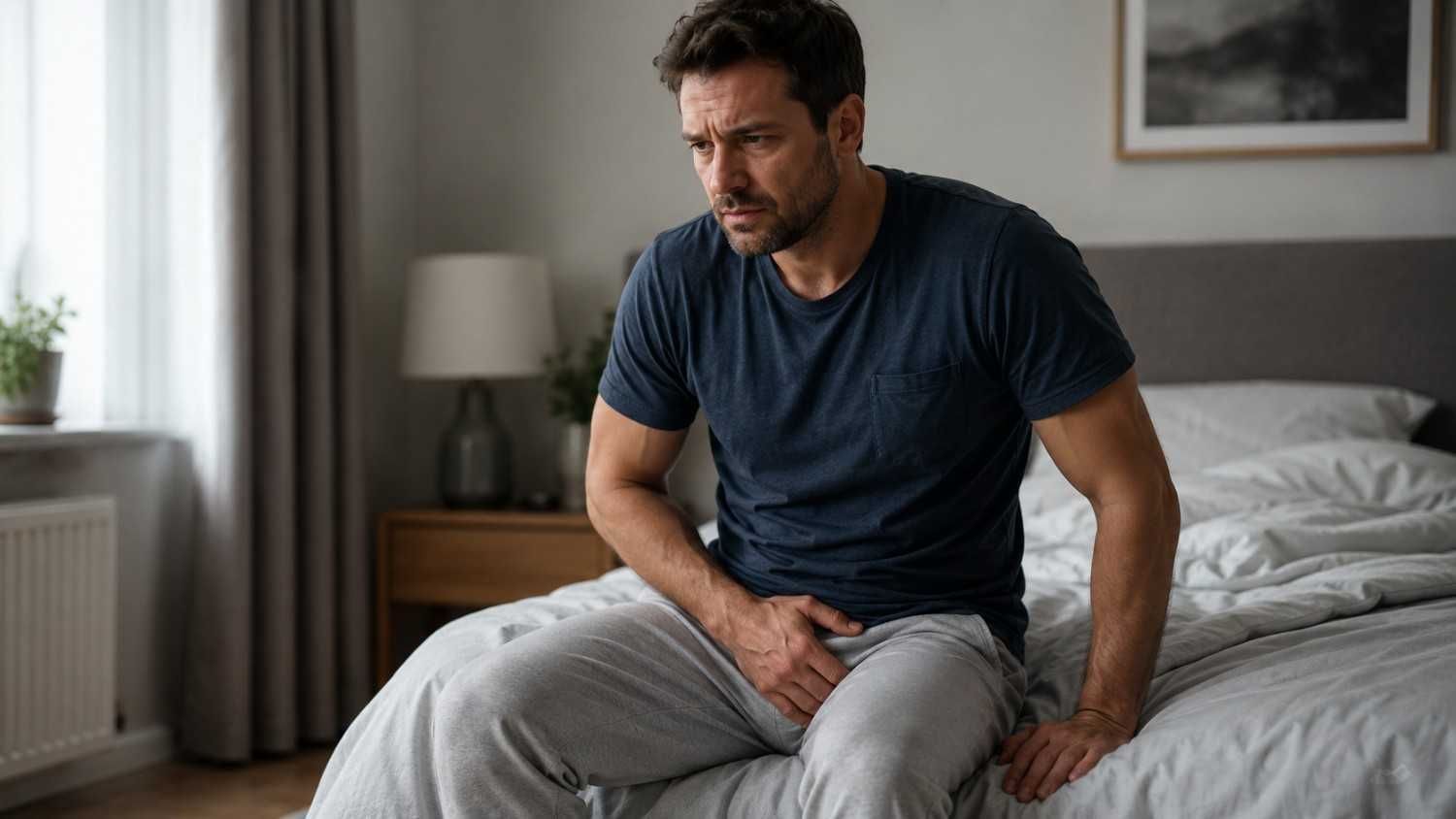
Penile pain can make it uncomfortable to sit, urinate, exercise, or have sex. Yet the painful spot may not be the source. Infection and injury can cause it, but pelvic muscles, nerves, the back, hips, abdomen, or groin can also send pain into the penis.
I’m Katie Beckham, PT, WHNC. After more than 40 years as a physical therapist, including over 15 years in pelvic health, I do not assess penile pain in isolation. As a pelvic floor therapist for men in Houston, I look at movement along with bladder, bowel, and sexual symptoms. Not every case begins in the pelvic floor, but persistent pain deserves a broad assessment.
Key Takeaways
- Penile pain is a symptom, not a diagnosis.
- Negative urinary tract infection (UTI) or sexually transmitted infection (STI) tests do not explain every case.
- Pain tied to sitting, urination, ejaculation, constipation, or movement may involve the pelvic floor, nerves, or referred pain.
- Pelvic pain may require muscle relaxation and coordination rather than Kegels.
- Sudden trauma, inability to urinate, major swelling, or an erection lasting about four hours needs urgent medical care.
What Can Cause Penile Pain?
Penile pain may feel like burning, aching, pressure, stabbing, tingling, numbness, or extreme sensitivity. You may feel it at the tip, urethral opening, head, shaft, foreskin, or base of the penis.
Medical and urological causes
A UTI, STI, urethral inflammation, a skin condition, trauma, urinary obstruction, prostatitis, or Peyronie’s disease may cause pain. A new curve, firm plaque, discharge, sores, or visible skin change needs medical or urological assessment. These conditions require treatment for the condition itself; pelvic physical therapy does not replace that care.
Pelvic-floor and referred pain
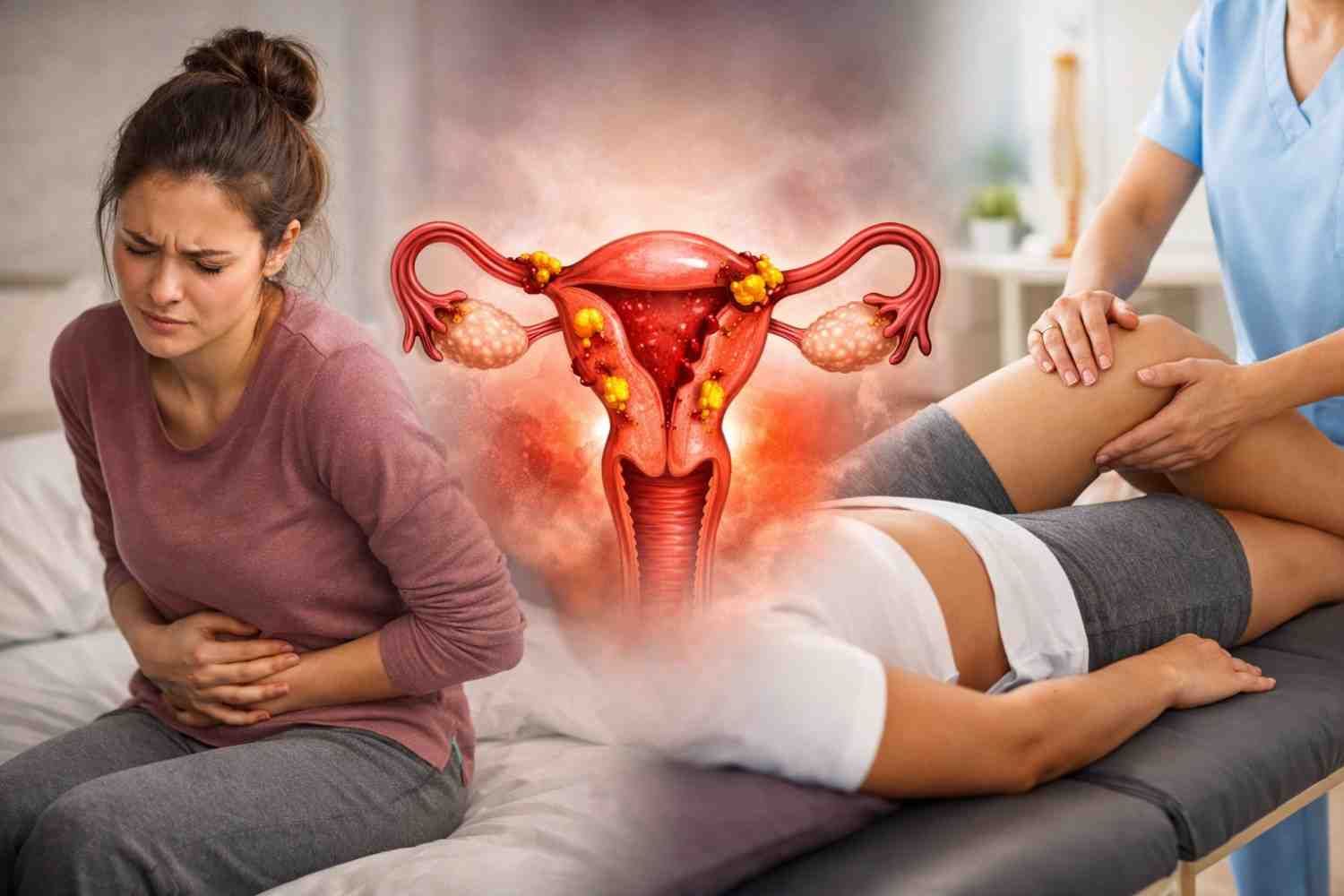
Pain can also travel from another structure. Tight or tender pelvic muscles, the abdominal wall, groin, hips, lower back, or a pelvic-region nerve may reproduce pain in the penis. This is called referred pain: the symptom is felt in one place even though a contributor lies elsewhere.
Can Penile Pain Continue After UTI and STI Tests Are Negative?Yes. A negative test may rule out the infection tested for, but it does not explain why the penis still hurts. Antibiotics treat bacterial infection; they do not treat muscle guarding, nerve irritation, or referred pain.
Normal imaging does not make the pain imaginary. Scans do not always show pelvic-floor tenderness, poor relaxation, movement-related irritation, or nerve sensitivity. Those details often emerge through a careful history and physical examination.
My rule is simple: negative tests should widen the assessment, not end it. A physician or urologist may need to check other causes before a pelvic-health evaluation examines muscular or mechanical contributors.
How Can Pelvic-Floor Dysfunction Cause Penile Pain?
Pelvic-floor muscles help coordinate urination, bowel movements, erections, and ejaculation. Pain may develop when they stay guarded, become tender, or fail to relax at the right time.
Overactive muscles can refer pain
A painful pelvic floor is not always weak. Overactive muscles can reproduce symptoms in the urethra, penis, testicles, or perineum, the area between the scrotum and anus. They can also contribute to urinary hesitancy, constipation, or pain after ejaculation.
This is why Kegels can backfire. If the muscles already hold too much tension, repeated squeezing may add to the problem. The examination should show whether you need relaxation, coordination, mobility, strength, or a combination.
Muscles and nerves can irritate each other
The pudendal nerve travels through the pelvis, and one branch supplies sensation to the penis. Irritation may cause burning, tingling, numbness, or sitting-related pain. Penile pain alone, however, does not prove pudendal neuralgia.
The ilioinguinal nerve, abdominal wall, lower back, hips, and pelvic muscles can create similar symptoms. In one published case report, findings in the lumbar and ilioinguinal regions helped guide care for a man with penile and scrotal pain. One case cannot predict another man’s outcome, but it supports examining beyond the penis.
If you are searching for pudendal nerve pain treatment in Houston, TX, choose a clinician who considers more than one possible source. Sitting pain alone does not confirm pudendal neuralgia.
Triggers give clues, not a diagnosis
Useful patterns include pain that changes with:
- Sitting, driving, or cycling
- Urination or a full bladder
- Erection or ejaculation
- Constipation or straining
- Exercise or hip and back movement
- Stress or anxiety
These clues direct the examination but cannot diagnose the cause by themselves.
When Does Penile Pain Need Urgent Medical Care?
Seek urgent care for:
- An erection lasting about four hours, especially when painful
- Forceful bending, a popping sound, rapid swelling, or bruising
- Inability to urinate
- Foreskin trapped behind the head of the penis
- Fever or chills with urinary or genital symptoms
- Blood in the urine or sudden, severe testicular pain
- New genital numbness with leg weakness or loss of bowel or bladder control
- Marked discharge, sores, redness, warmth, or swelling
Arrange a prompt urological appointment for a new lump, plaque, curve, narrowing, or painful erection.
How Is Persistent Penile Pain Evaluated and Treated?
There is no single penile pain treatment because the same symptom can come from different tissues. A useful care path has three steps:
- Check for medical causes. A physician or urologist may use your history, examination, laboratory tests, or imaging.
- Map the pattern. Record where and when the pain occurs, what changes it, and any bladder, bowel, sexual, hip, back, or groin symptoms.
- Assess pelvic and musculoskeletal contributors. When the pattern suggests muscle, movement, or nerve involvement, pelvic floor physical therapy for penile pain may be included in the care plan.
Treatment should follow the findings. It can include hands-on work for muscles and soft tissues, pelvic floor down-training, breathing, movement retraining, bladder or bowel strategies, activity changes, and a home plan. Down-training helps overactive muscles release and coordinate instead of repeatedly tightening.
Research supports pelvic-floor physical therapy for overactivity and some forms of male chronic pelvic pain. Direct penile-pain research remains limited, so no provider should promise a cure or fixed timeline.
What Can You Expect at Beckham Physical Therapy and Wellness?
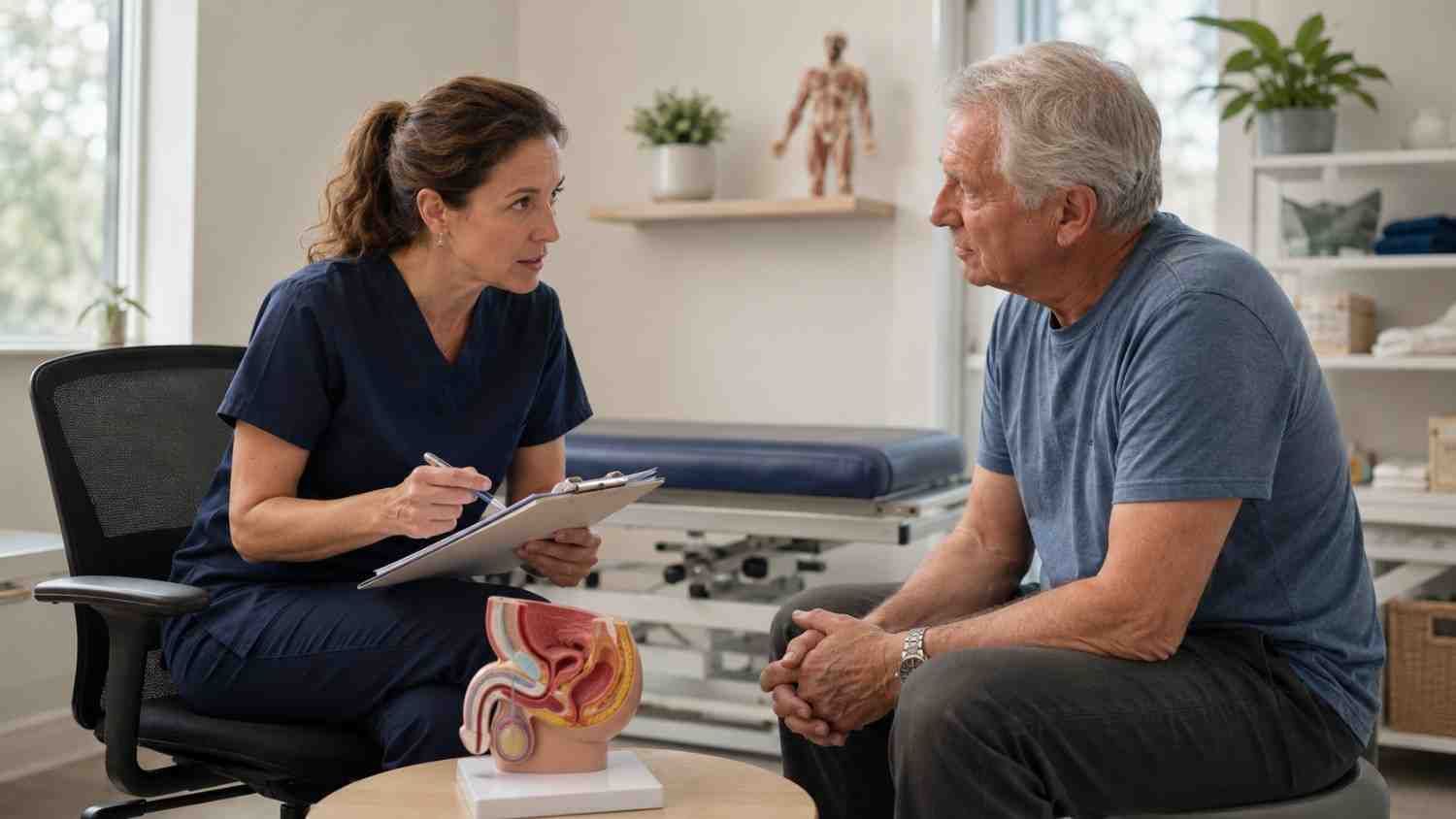
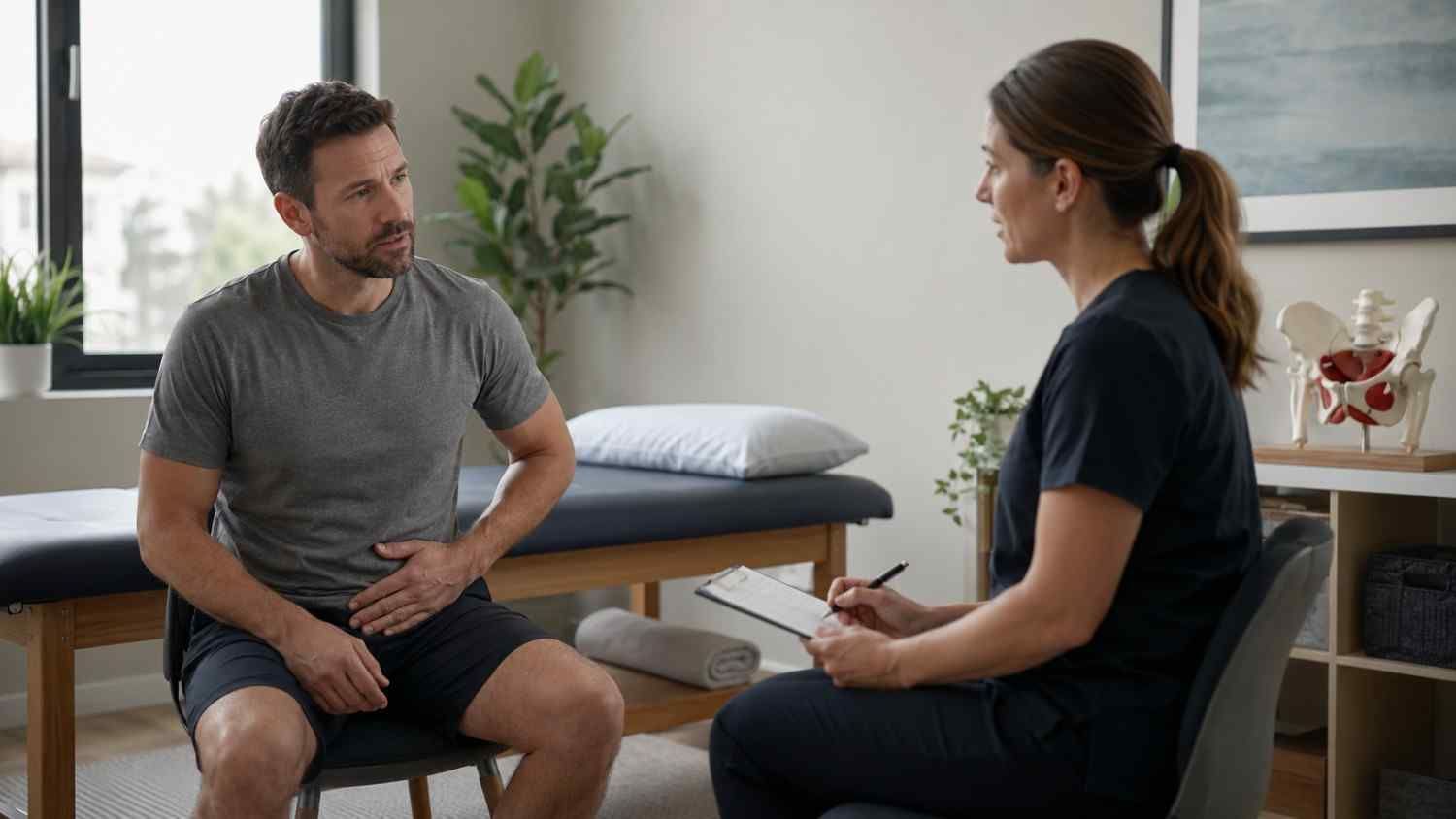
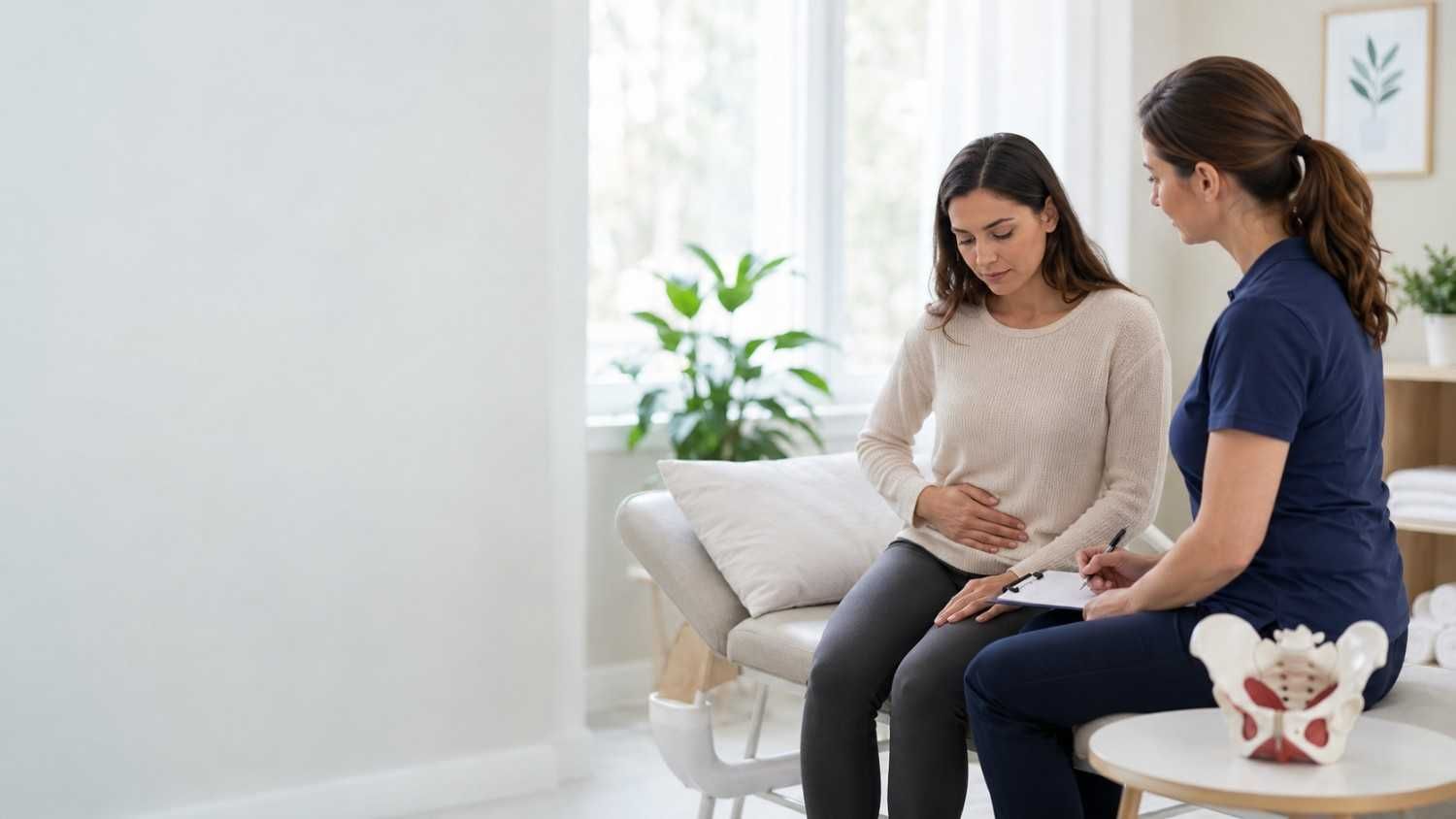
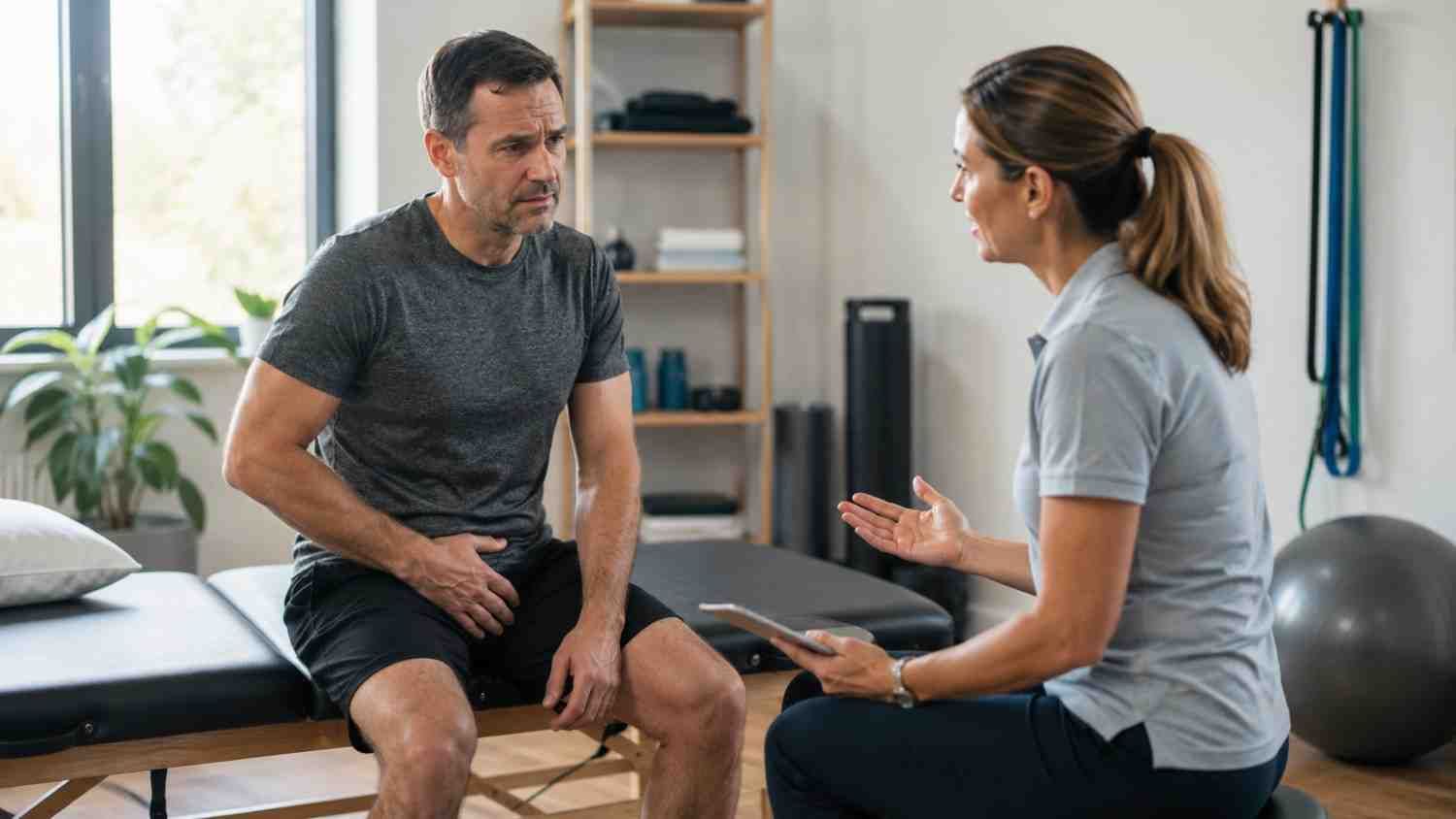
I provide private, one-on-one male pelvic pain physical therapy in Houston from my home-based West Memorial clinic. I review your history and previous findings, then look for connections among your symptoms. Treatment can begin during the first visit when appropriate.
What I may assess
- Breathing and movement
- The abdomen, groin, hips, and lower back
- Pelvic-floor tension, relaxation, and coordination
- Bladder, bowel, sexual, and activity patterns
An internal rectal examination can provide useful information, but it is optional. I explain its purpose and proceed only with your consent. External assessment can also guide care.
How I shape treatment
I follow the findings, not the assumption that every man needs Kegels, internal work, or the same stretches. Depending on the assessment, care can include manual therapy, breathwork, posture and core retraining, nervous-system regulation, and practical changes for daily activities.
If you are comparing penile pain treatment in Houston, TX, look for individualized care that can coordinate with your medical providers. My approach to male pelvic pain physical therapy in Houston keeps your comfort, goals, and symptom pattern at the center of each session.
What Should You Do If Penile Pain Continues?
Do not ignore new, recurring, or unexplained penile pain. Seek urgent care for the warning signs above and obtain medical or urological evaluation when needed. If you need help in Houston and the pain changes with sitting, movement, urination, or ejaculation, contact Beckham Physical Therapy and Wellness to discuss whether private pelvic-floor therapy for penile symptoms fits your next step.
FAQs
Why does my penis hurt after ejaculation?
Ejaculation requires coordinated pelvic-muscle contraction and relaxation. Recurring pain afterward may relate to infection, chronic pelvic pain syndrome, muscle overactivity, or nerve irritation and deserves assessment.
Can sitting or cycling cause penile pain?
Long periods of pressure can irritate the perineum, pelvic muscles, or nearby nerves. Improvement when standing or lying down is a clue, not proof of pudendal nerve entrapment.
Can stress cause penile pain?
Stress can increase guarding and sensitivity, but that does not make the pain imaginary. Pain creates stress, and stress can amplify pain.
Is an internal examination always required?
No. It may help assess deeper pelvic muscles, but it is not automatic. I discuss its purpose first, and you can decline it.
How do I choose a Houston provider for penile or pudendal pain?
Look for a Houston pelvic-floor therapist who treats men, explains the examination, screens the back and hips, and works with medical providers when needed. Pudendal nerve pain treatment in Houston, TX should follow examination findings, not a symptom label alone.