
The Pain Science Behind Pelvic Pain: Why It Happens and What You Can Do About It

Katie Beckham • December 15, 2025

Pelvic pain can feel unpredictable and overwhelming, especially when imaging looks normal, and no one has given you a clear explanation. I work with people every week here in Houston and Spring Branch who have been told their pain is hormonal, mysterious, stress-related, or something they simply have to live with.


In reality, pelvic pain has well-understood mechanisms. Modern pain science, along with what we know about pelvic floor anatomy, the nervous system, and organ behavior, helps explain why symptoms persist and why many people feel stuck even after multiple tests and appointments.

This guide brings together current research, clinical experience, and practical context to help you understand what is happening inside your body.


Pain Science: Why Pelvic Pain Does Not Always Match What Scans Show

Pain science tells us that pain is not a direct measurement of tissue damage. Pain is created by the nervous system when it senses a threat. That threat can come from the tissues, the environment, past experiences, or the nervous system itself.


People in Houston   seeking help for chronic pelvic pain science often arrive confused because their test results look normal. Pain can still occur when the nervous system becomes protective, sensitive, or overwhelmed.


Nociplastic Pain: A Key Concept in Pelvic Pain

Many people with long-standing pelvic pain experience nociplastic pain. This is pain that comes from altered nociception rather than a current injury. It helps explain why someone can have intense pelvic pain even when imaging shows mild or no abnormalities.


Common signs of nociplastic pelvic pain include:


  • Severe pain with mild structural findings
  • Widespread pelvic or lower abdominal sensitivity
  • Symptoms that fluctuate from day to day
  • Pain that increases with stress or tension


This type of pain is real. It reflects a nervous system that is working very hard to protect you.


Chronic Pelvic Pain Is Not One Condition

Medical classifications divide pelvic pain into two broad groups:


  • Chronic primary pelvic pain, where pain itself becomes the condition
  • Chronic secondary pelvic pain where pain is linked to something known, like endometriosis, pelvic surgery, IBS, or bladder irritation


Many patients have elements of both, which is why pelvic pain can be complex and persistent.


How Pelvic Anatomy Contributes to Pain

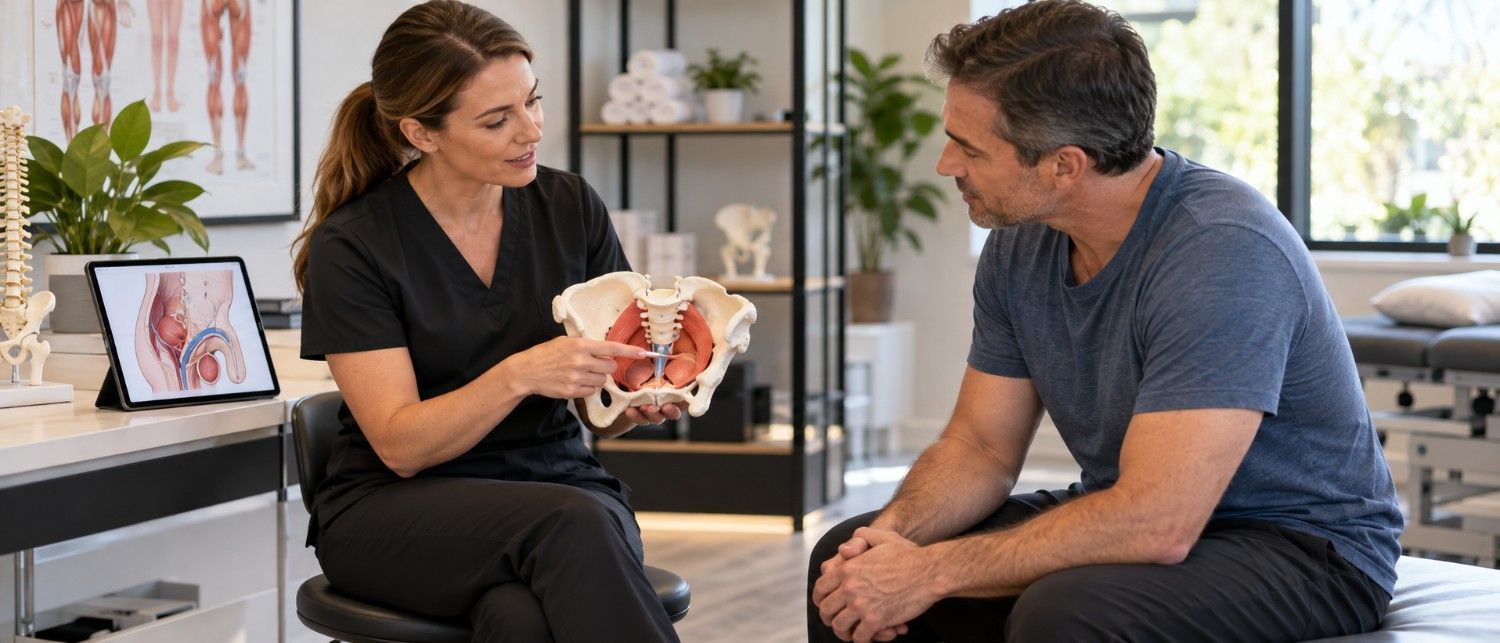
Understanding pelvic floor anatomy and pain in Spring Branch is important because of how many structures share the same space. The pelvis holds the bladder, rectum, and reproductive organs. It is also supported by a dense network of ligaments and nerves.


At the base of this system is the pelvic floor. It is a funnel shaped group of muscles that includes:

  • Puborectalis
  • Pubococcygeus
  • Iliococcygeus
  • Coccygeus


These muscles coordinate with breathing, abdominal pressure, bladder and bowel function and sexual function. They need to contract, relax, lengthen and respond to pressure at the right moments. When coordination is disrupted, the system becomes strained.


Why the Pelvic Floor Tightens

People dealing with pelvic floor muscle dysfunction in Houston often ask why their pelvic floor is tight in the first place. Several factors can contribute:


Habitual breath holding or bracing the abdomen


  • Chronic constipation or straining
  • Childbirth injuries
  • Pelvic or abdominal surgery
  • Stress and anxiety
  • Previous painful medical or personal experiences
  • A nervous system that has learned to protect


Many people clench these muscles without realizing it. Over time, the tension becomes their normal state.


Common Symptoms of Pelvic Floor Involvement

Pelvic floor muscle pain causes in Houston can show up in many ways, including:


  • Difficulty relaxing to urinate or have a bowel movement
  • Constipation or a feeling of incomplete emptying
  • Pelvic pressure or heaviness
  • Pain with intercourse or erections
  • Bladder urgency or frequency
  • Tailbone or rectal pain
  • Deep pelvic or lower abdominal discomfort


These symptoms often occur because the pelvic floor is too contracted to move through its full range.


Why Pelvic Pain Becomes Chronic

Pelvic pain becomes chronic when multiple systems in the pelvis start influencing one another. 


These can include:

  • Muscles that stay tight or guarded
  • Organs like the bladder or bowel that become sensitive
  • Nerves that become irritated or compressed
  • Inflammatory responses
  • Emotional and psychological load

It is common to see patterns such as:

  • IBS with pelvic floor dysfunction
  • Endometriosis combined with nociplastic pain
  • Bladder pain paired with pelvic muscle guarding
  • Constipation with dyssynergia

Once the nervous system becomes sensitized, it begins to amplify signals from several tissues at once.


Pelvic Floor Dyssynergia

Dyssynergia occurs when the pelvic floor contracts instead of relaxing during a bowel movement. The puborectalis muscle helps maintain the anorectal angle. If it stays too tight, it can feel like trying to push stool through a closed door.

People often describe straining, incomplete emptying or needing to change positions to pass stool.


The Biopsychosocial Model: A More Complete Picture

Chronic pelvic pain is influenced by physical factors and also by life experiences, beliefs and nervous system responses. Research shows strong links with:


  • Anxiety or depression
  • Past trauma
  • Work overload or chronic stress
  • Feeling dismissed or misunderstood
  • Shame or isolation around pelvic symptoms


These factors do not cause pain by themselves. They influence how the nervous system responds, protects and tightens. This is why a successful plan must look at the whole person, not just the muscles.


What You Can Do: A Modern and Science-Based Approach to Pelvic Pain

People looking for science-based pelvic floor pain treatment in Texas often benefit from a coordinated plan that addresses both the physical body and the nervous system.


Pelvic Floor Physical Therapy

I help restore coordination, reduce tension, improve mobility of the pelvic organs, and retrain healthy pelvic floor reflexes.


Down Training the Nervous System

This may include breath work, pressure management, pacing strategies, and techniques that reduce guarding.


Addressing Daily Habits

  • Avoiding straining
  • Reducing breath holding
  • Improving toilet posture
  • Identifying clenching patterns
  • Managing bladder irritants


Improving Bowel and Bladder Function

Hydration, regularity, fiber balance, nutrition, posture, and pressure management all play a role. People seeking pelvic floor muscle pain treatment in Spring Branch often notice meaningful changes once these patterns are addressed.


If You Are Ready for Answers

Pelvic pain is treatable. The most important step is identifying your specific pattern and supporting both the pelvic floor and the nervous system.


If you are experiencing pelvic pain, schedule an evaluation. I will help you understand what is driving your symptoms and create a plan that genuinely fits your body and your life.

By Katie Beckham • October 26, 2026
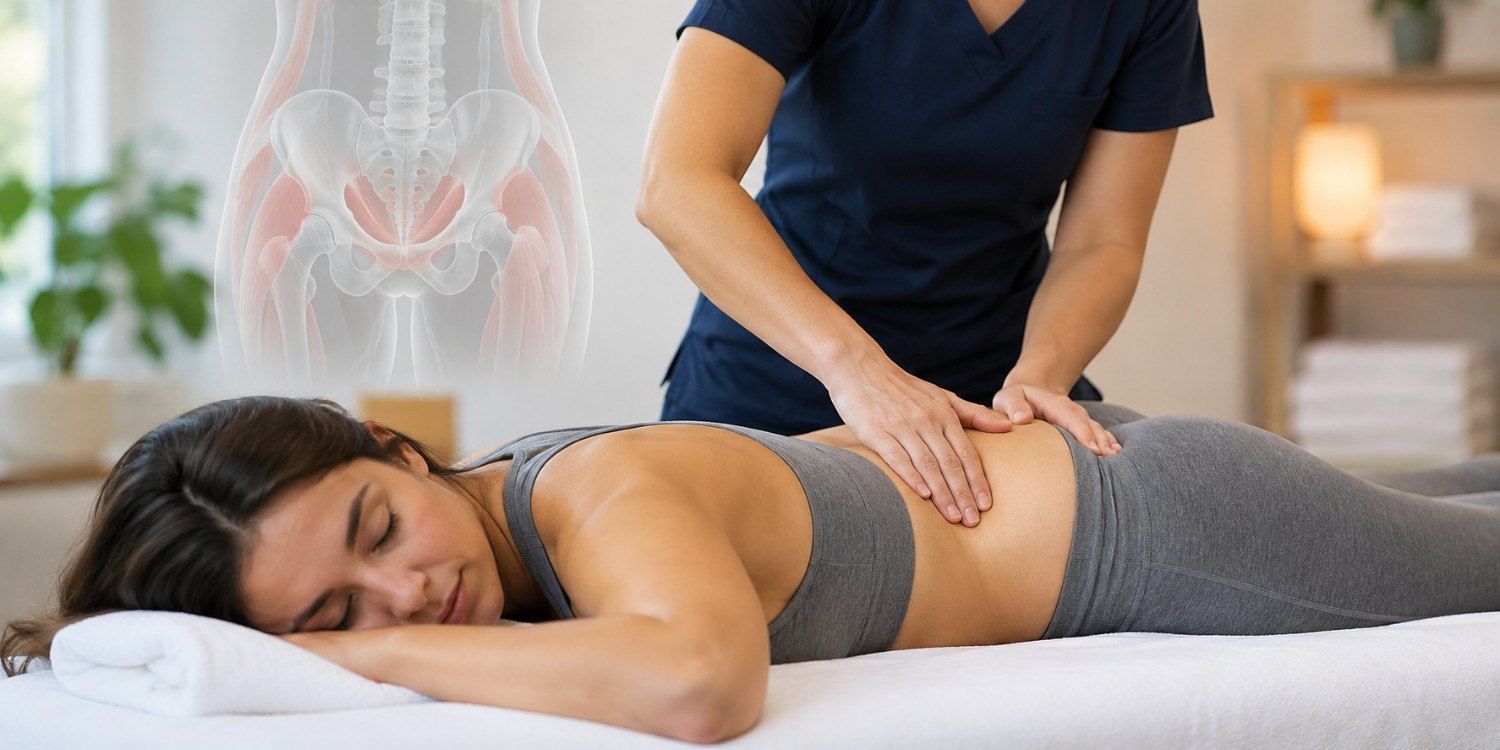
Discover how therapeutic full-body massage may ease muscle tension linked to pelvic pain. Explore personalized pelvic floor therapy in Houston, TX.
By Katie Beckham • October 26, 2026
Learn how pelvic floor therapy may help manage bladder urgency, constipation, and bowel control problems. Explore personalized care in Houston, TX.
By Katie Beckham • October 26, 2026
An erection depends on nerve signals, blood flow, and muscles working together. When that coordination changes, or misfires, you may struggle to get firm or stay firm, even when you feel sexually interested. I’m Katie Beckham, and I provide men’s pelvic floor physical therapy in Houston . Understanding how erections work can help you make sense of changes and find appropriate care. The pelvic floor can play a role, alongside your circulation, nerves, hormones, and emotional health. How Does an Erection Happen and Stay Firm? An erection develops when nerve signals arousal and allows more blood into the penis and the surrounding tissues limit how quickly blood leaves. Nerve signals start the response Touch, sexual thoughts, or other arousal signals prompt nerves to release chemical messengers, including nitric oxide. These messengers help smooth muscle inside the penis relax. Smooth muscle works automatically, so you do not consciously control this step by squeezing or pushing. Blood fills the erectile tissue That relaxation allows more blood to enter two spongy chambers, of the penis, called the corpora cavernosa. As they fill, the penis expands and becomes firmer. The tissue must relax enough to make room for that incoming blood. This is why an erection involves a change in muscle activity as well as an increase in circulation. Reduced blood outflow supports firmness The expanding tissue presses against veins that normally carry blood away. This slows blood outflow and helps maintain the erection. As the response ends, smooth muscle tightens again, blood inflow decreases, and blood drains more freely. This explains why both healthy circulation and muscle relaxation matter for erectile function. (Read about this process in detail ) What Do Pelvic Floor Muscles Do During an Erection? Pelvic floor muscles help support erection firmness. They sit at the base of the pelvis and also contribute to bladder and bowel control and ejaculation. These muscles differ from the smooth muscle inside the penis. Penile smooth muscle relaxes to allow filling. Certain pelvic floor muscles then help compress the blood-filled structures near the base of the penis. This raises pressure within the erectile tissue and helps support a firmer erection. Healthy men’s pelvic floor function involves strength, relaxation, and timing. Constantly squeezing these muscles does not recreate that coordination. They need to contract and release appropriately. Erection and ejaculation also involve different processes, although they share some of the same muscles and nerves. A change in ejaculation does not automatically mean that you have ED. Describing each symptom separately helps your clinician understand which functions need attention. Why Can You Get an Erection but Struggle to Keep It? Erectile dysfunction, or ED, means difficulty getting or maintaining an erection firm enough for sex. An occasional difficulty does not automatically mean an ongoing disorder, but repeated changes deserve attention. Several factors can contribute: Blood vessel or nerve problems: Diabetes and cardiovascular conditions can affect the signals or circulation that erections need. Pelvic , or back , surgery can also affect erectile function. Hormones or medication: Low testosterone and certain medicines may contribute to sexual difficulties. Stress or performance pressure: Worry can interrupt arousal and make an already difficult experience more challenging. Pelvic floor dysfunction: Problems with muscle tension, strength, or coordination may contribute in some men. (Getting an erection but losing firmness too quickly for pleasure) Premature Ejaculation - performance anxiety | difficult to correct the longer you suffer with premature ejaculation | addiction to porn and overuse of porn ) (We gotta bullets for these too) These factors can overlap. Losing firmness does not identify the cause, and sexual desire alone cannot guarantee an erection. For example, an initial difficulty with firmness may lead to worry about the next sexual encounter. That worry can then add to an existing physical problem. Both parts deserve attention. A medical evaluation helps narrow down what needs treatment. NIDDK outlines common causes of ED. (Add the links to the resources) Can a Tight or Weak Pelvic Floor Affect Erections? Both weakness and excessive tension can interfere with pelvic floor function. Some men also struggle to coordinate a contraction or fully release it afterward. A weak muscle may have trouble producing or maintaining an effective contraction. A muscle that stays tense may struggle to relax and move through its usual range. Tightness therefore does not necessarily mean useful strength. An assessment checks both how you squeeze and how you let go. That makes “do more Kegels” an incomplete answer. Kegels are pelvic floor contractions, and the right exercise plan depends on what an assessment finds. If you already hold excessive tension, adding repeated contractions may aggravate discomfort. You may need to learn relaxation before progressing to strengthening.
By Katie Beckham • October 23, 2026
Explore men’s prostate health therapy in Houston, TX, with specialized care for prostate concerns and pelvic floor issues. Find support for better comfort and well-being.
By Katie Beckham • October 23, 2026
Learn why sex can hurt after childbirth and how postpartum pelvic floor therapy in Houston, TX can support recovery. Call Beckham PT at (281) 728-4604.
By Katie Beckham • September 15, 2026
Pelvic pain, bladder changes, bowel trouble, and shifts in intimacy are common, and they are not something you have to accept as normal. A clear test result doesn't mean nothing is wrong. It usually means the real cause hasn't been found yet. I hear this every week in my practice. Pelvic issues rarely show up as one clean symptom; they show up as pain in one place, bladder trouble in another, and changes in intimacy no one warned you about. Pelvic floor physical therapy in Houston, TX is often the piece that finally explains what's going on, and once you know the cause, there's a real path to relief. Key Takeaways Pelvic floor dysfunction means the muscles supporting your bladder, bowel, and reproductive organs are too tight, too weak, or not coordinating properly. It shows up in more ways than pain alone: bladder habits, bowel function, intimacy, and physical stability can all be affected. Kegels are not a universal fix. For some people, they make symptoms worse. Normal test results don't rule out a real, treatable problem. Pelvic floor physical therapy is non-surgical, evidence-based, and works for men and women. I'm Katie Beckham, and I treat pelvic floor dysfunction as a pelvic floor therapist in Houston, TX , working with men and women one-on-one in a private, home-based setting. What Is Pelvic Floor Dysfunction? Your pelvic floor is a group of muscles stretching from your pubic bone to your tailbone and from hip to hip, forming a basket of supportive muscles. It supports your bladder, bowel, and reproductive organs, and plays a direct role in urination, bowel movements, and intimacy. Pelvic floor dysfunction happens when these muscles stop working the way they should, either too weak to hold things in place, too tight to relax when they need to, or a mix of both in different muscles at once. This is not one disease with one symptom. It's a pattern, and the pattern looks different for everyone. That's why so many people go months or years without a clear answer, and why the right pelvic floor dysfunction treatment in Houston, TX, starts with someone who looks at the whole picture instead of one symptom in isolation. The right pelvic floor therapy in Houston, TX , depends on understanding which pattern you're dealing with, not only naming the diagnosis. What Does Pelvic Floor Dysfunction Feel Like? Pain Pelvic, vaginal, testicular, penile, or rectal pain Tailbone pain (coccydynia) Groin or lower abdominal pain that doesn't ease with stretching or rest Pain with prolonged sitting Bladder and bowel symptoms Urinary urgency, frequency, or a weak or slow stream Trouble fully emptying the bladder or bowel Leaking urine or stool Constipation, straining, or painful bowel movements Sexual and intimacy-related symptoms Pain during or after sex (dyspareunia) Erectile dysfunction linked to pelvic floor tension Painful ejaculation or decreased sensitivity Involuntary tightening that makes penetration painful or impossible (vaginismus), or chronic burning pain in the vulva (vulvodynia) Painful orgasm Pregnancy, postpartum, and post-surgical symptoms Pelvic pressure, heaviness, or leaking with coughing, sneezing, or exercise Diastasis recti (abdominal muscle separation) Sharp pain at the front of the pelvis or in the lower back with walking or turning over in bed (pubic symphysis dysfunction or SI joint pain) Symptoms following prostatectomy or other pelvic surgery Pain or numbness from surgical scarring Most people only connect one or two of these to their pelvic floor. In my experience, they're almost always related, and treating them together gets better, faster results than chasing each symptom on its own. What Causes Pelvic Floor Dysfunction?
By Katie Beckham • August 11, 2026
Find personalized pelvic floor physical therapy for penile, pelvic & pudendal nerve pain in Houston, TX. Work with a pelvic floor therapist for men. Book today!
By Katie Beckham • August 10, 2026
Recover with expert postpartum, pelvic floor, tailbone pain, and urinary incontinence physical therapy in Spring Branch, Houston. Schedule your personalized consultation today.
By Katie Beckham • June 26, 2026
Expert urinary incontinence treatment in Fulshear, Memorial, and Houston, TX. Get relief from stress urinary leakage with personalized pelvic floor therapy. Schedule today.
By Katie Beckham • June 26, 2026
Find effective pudendal nerve pain treatment in Houston TX. Specialized physical therapy for pudendal neuralgia, pelvic pain, and nerve-related discomfort in Houston, Spring Branch, and Memorial. Schedule your consultation today.