
Underactive Pelvic Floor Muscle: Signs, Causes, and Effective Treatment Options in Texas
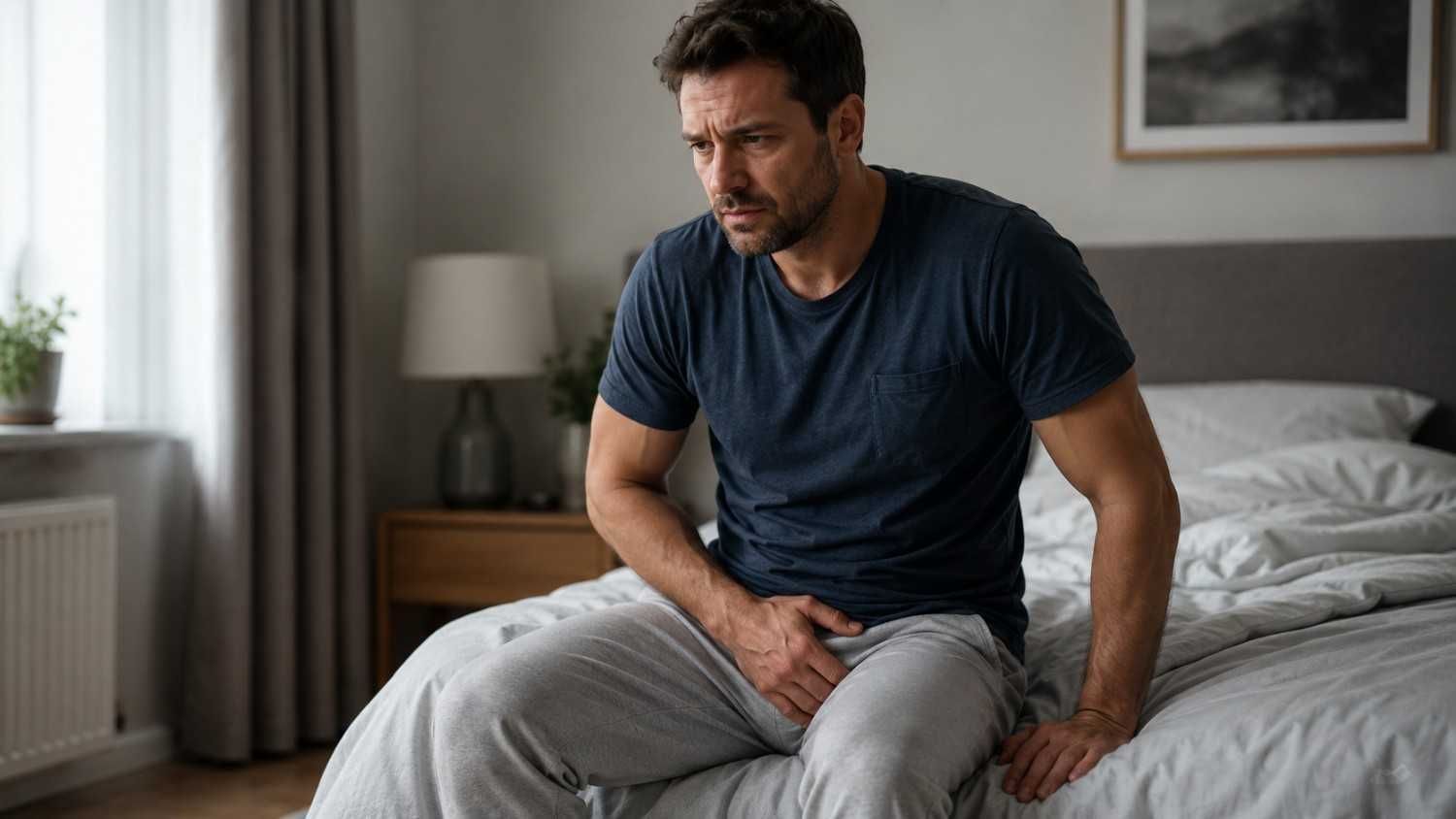
Leakage during a run. Pressure at the end of the day. Difficulty controlling gas. Reduced sensation during intimacy. These signs often point toward an underactive pelvic floor muscle.
An underactive pelvic floor muscle lacks strength, endurance, or coordination to support the bladder, bowel, and reproductive organs. Many adults live with these symptoms for years, assuming weakness after childbirth or aging is permanent. Research estimates that up to one in four adults experiences some form of pelvic floor dysfunction during life. Weakness remains one of the most common patterns.
I am Katie Beckham, PT, and I treat pelvic health conditions every day at Beckham Physical Therapy and Wellness. When patients search for underactive pelvic floor muscle treatment in Houston, Texas, they often want clarity first. They want to understand what they feel and whether improvement exists. In most cases, it does.
What Is an Underactive Pelvic Floor Muscle?
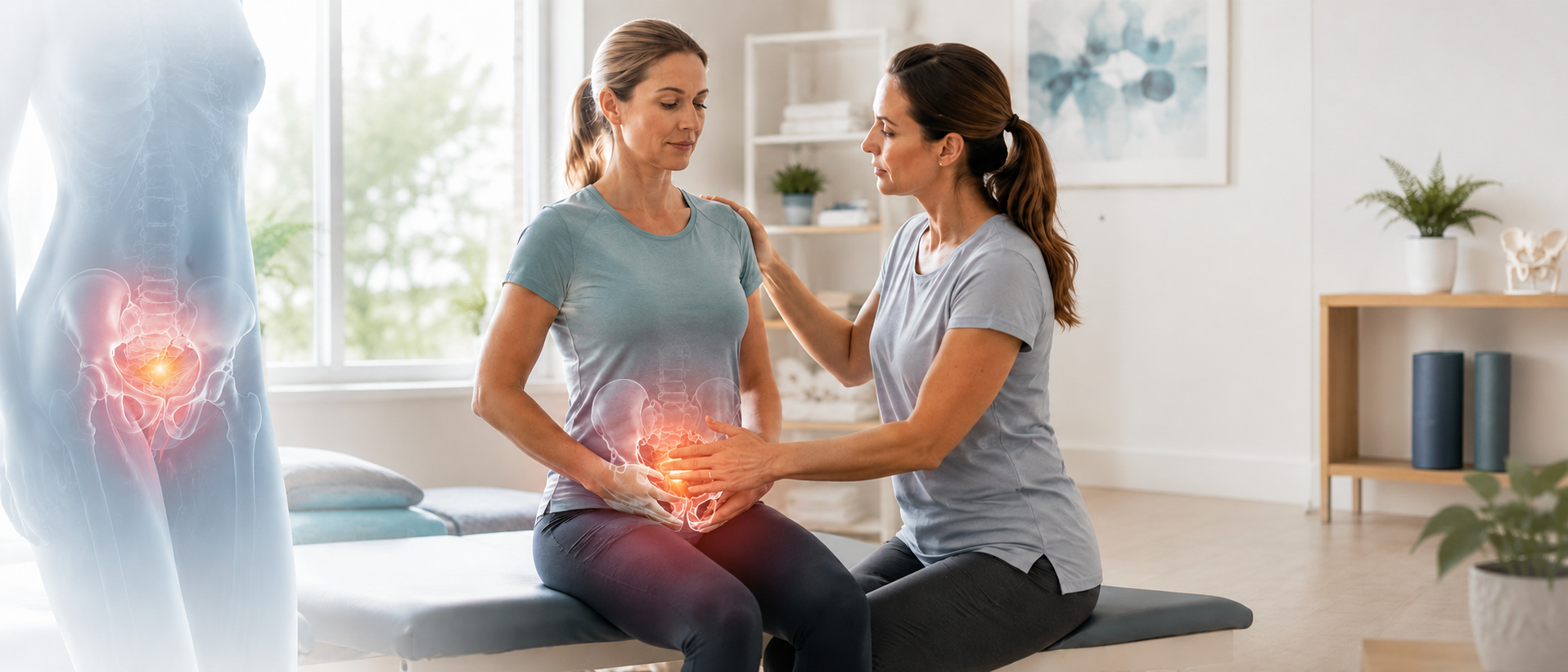
Pelvic floor muscles form a supportive sling at the base of the pelvis. They assist bladder control, bowel control, sexual function, and organ support. When these muscles contract, they lift and close the openings of the urethra and rectum. When they relax, they allow urination, bowel movements, and comfortable intimacy.
An underactive pelvic floor muscle, also known as a hypotonic pelvic floor, lacks adequate resting tone or fails to generate enough lift under load. Weaknesses may involve:
- Low strength
- Poor endurance
- Delayed activation
- Poor coordination with breathing and core muscles
Tone differs from strength. Strength reflects force production. Tone reflects resting readiness. Coordination reflects timing. A person may show weakness in one area and dysfunction in another.
Men and women both experience pelvic floor weakness. Prostate surgery, chronic straining, aging, and connective tissue laxity affect men as well as women.
Signs and Symptoms of an Underactive Pelvic Floor Muscle
Symptoms often progress gradually. Many patients normalize them until they disrupt daily life.
Bladder Control Changes
Stress urinary incontinence stands as one of the most common signs. Leakage occurs during coughing, laughing, sneezing, lifting, or running. Muscles fail to close the urethra quickly under pressure spikes.
Fatigue worsens symptoms. Leakage often increases late in the day when muscles lose endurance.
Many individuals searching for weak pelvic floor muscle therapy in Houston, TX, describe exactly this pattern.
Bowel and Gas Control Changes
Weak pelvic floor muscles struggle to maintain closure around the rectum. Gas escapes unexpectedly. Stool control decreases. Some individuals experience incomplete emptying due to poor coordination between relaxation and push effort.
Chronic straining increases downward pressure and further weakens support.
Pelvic Pressure and Organ Support
Heaviness or a dragging sensation inside the pelvis often signals reduced muscular lift. Some individuals notice bulging at the vaginal opening. These symptoms align with early pelvic organ prolapse, where organs descend due to reduced support.
Pelvic floor weakness does not cause prolapse alone. Connective tissue integrity, childbirth trauma, and pressure habits also contribute. Weakness remains a significant factor.
Sexual Function Changes
Reduced sensation, difficulty achieving orgasm, and decreased confidence often accompany a hypotonic pelvic floor. Muscles contribute to blood flow, arousal, and orgasmic contraction. When strength declines, response declines.
These symptoms carry emotional weight. Many patients avoid discussing them. Addressing them remains part of comprehensive care.
What Causes an Underactive Pelvic Floor Muscle?
Pelvic floor weakness rarely develops from one event alone. Multiple influences often intersect.
Pregnancy and Childbirth
Pregnancy stretches pelvic tissues for months. Vaginal delivery may overstretch or tear muscle fibers. Postpartum recovery often focuses on infant care rather than maternal rehabilitation. Persistent weakness follows.
Diastasis Recti and Core Changes
Separation of abdominal muscles alters pressure management. When the abdominal wall fails to control pressure, the pelvic floor absorbs excess load. Repeated overload reduces lift and endurance.
Hormonal Changes
Estrogen supports muscle tone and tissue elasticity. Menopause decreases estrogen levels, leading to reduced tissue support and muscle responsiveness.
Chronic Constipation and Straining
Straining increases intra-abdominal pressure. Repeated downward force stretches the pelvic floor over time.
Surgery
Pelvic or abdominal surgery disrupts muscle activation patterns. Scar tissue and altered movement strategies affect coordination.
Chronic Cough or High Impact Activity
Persistent cough or heavy lifting without pressure control overloads the pelvic floor. High-impact exercise without foundational strength compounds strain.
Weak Yet Tight: Common Paradox
Some patients report tension, discomfort, or difficulty relaxing muscles, yet still leak. This pattern confuses many people as well as clinicians.
A muscle may guard reflexively due to instability. Guarding creates a sensation of tightness. Underlying fibers remain weak and uncoordinated. Generic strengthening fails to correct timing and pressure coordination.
Proper assessment distinguishes between a pure hypotonic pattern and a mixed presentation. Random Kegel routines rarely address coordination deficits.
How I Evaluate an Underactive Pelvic Floor Muscle
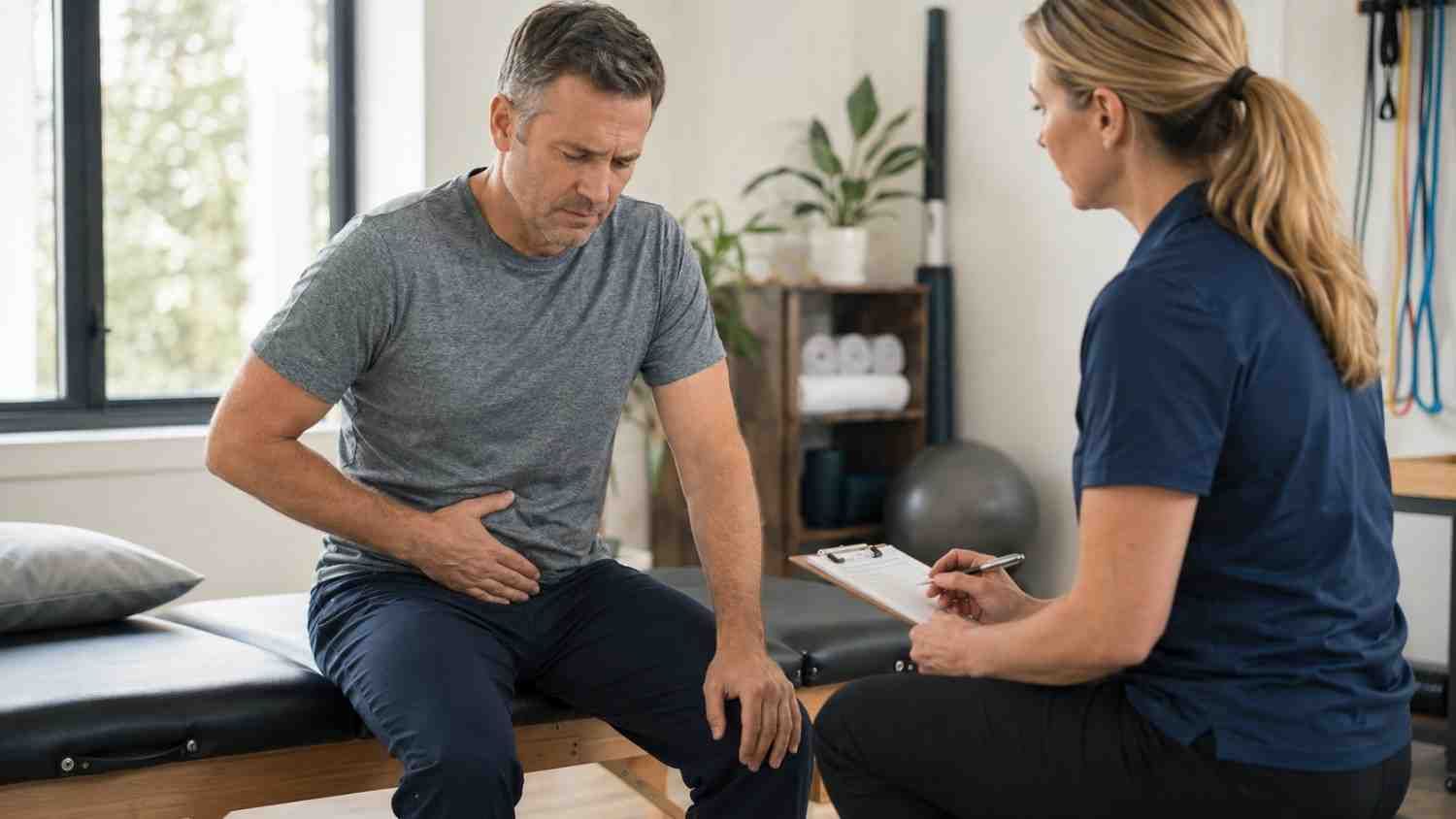
When individuals seek underactive pelvic floor physiotherapy in Bellaire, TX, I perform a comprehensive assessment. I review bladder, bowel, sexual, and orthopedic history. I evaluate posture, breathing mechanics, abdominal activation, and load transfer strategies.
Internal pelvic examination, when appropriate and with consent, provides direct insight into strength, endurance, resting tone, and coordination. I grade muscle contraction and assess the ability to relax fully.
I assess endurance under sustained contraction and evaluate response during cough simulation. I examine how the diaphragm, deep core, and pelvic floor interact during lifting patterns.
Effective Treatment Options for Underactive Pelvic Floor Muscle
Patients often begin by searching for underactive pelvic floor therapy Spring Branch TX or pelvic physio for underactive PFM Bunker Hill Villages TX when symptoms start to interfere with daily life. What leads to improvement is not location alone, but a treatment approach that restores strength, coordination, and pressure control through structured rehabilitation.
Precision Strength Training
Strengthening begins with correct activation. I teach patients to recruit muscles without compensating through the glutes or abdominal bracing. I progress load gradually, increasing endurance and lifting demands over time.
I integrate functional tasks such as lifting, squatting, and stair climbing. Muscles must perform during real activity, not only isolated contraction.
Neuromuscular Re-education
Coordination between the diaphragm and pelvic floor restores pressure control. During inhalation, the pelvic floor lengthens. During exhale, it contracts. Proper timing protects against leakage during impact.
Pressure Management
Weak pelvic floor rarely exists in isolation. Core stability and breath mechanics influence outcome. I retrain breathing patterns and lifting strategies to reduce downward force.
Postpartum and Male Rehabilitation
Postpartum rehabilitation focuses on graded return to impact and core integration. Men recovering from prostate surgery require targeted retraining to restore closure strength and endurance.
When patients search for pelvic physio for underactive PFM in Bunker Hill Villages, TX, they often want non-surgical management. Evidence supports pelvic floor muscle training as first line approach for stress incontinence and mild prolapse. Random exercise lacks precision. Structured progression yields measurable improvement.
How Long Does Recovery Take?
Most patients notice early control improvements within four to six weeks when practice remains consistent. Structural strengthening and endurance development often require three to four months.
The pelvic floor responds like any skeletal muscle. Progressive loading and repetition build strength. Maintenance exercises preserve gains long-term.
Symptoms rarely resolve without intervention. Targeted therapy improves quality of life significantly in the majority of cases.
Underactive Pelvic Floor Muscle Treatment in Houston, Texas
When individuals search for underactive pelvic floor muscle treatment in Houston, Texas, frustration and embarrassment often sit beneath that search. Most want clear answers, privacy, and direct guidance from someone who understands pelvic health deeply.
At Beckham Physical Therapy and Wellness, I provide one-on-one care that focuses on the root cause. I assess strength, coordination, breath mechanics, and load strategy. I build a structured plan tailored to your body and your goals.
If you feel stuck despite trying exercises on your own and looking for weak pelvic floor muscle therapy in Houston, TX, schedule an evaluation. You do not need more random exercises. You need targeted retraining built on an accurate assessment.
Frequently Asked Questions
How do I know if I have an underactive pelvic floor muscle?
Leakage with cough or running, heaviness, reduced sensation, and gas control issues often indicate weakness. Evaluation confirms pattern.
Should I perform Kegels on my own?
Unsupervised strengthening often reinforces poor technique. Underactive pelvic floor therapy in Spring Branch, TX requires assessment before exercise prescription.
Can prolapse improve with therapy?
Mild to moderate prolapse often improves with strength and pressure retraining. Advanced cases may require surgical consultation. Therapy still supports post surgical recovery.
Can men experience pelvic floor weakness?
Yes. Prostate surgery, chronic straining, and aging affect men. Underactive pelvic floor physiotherapy in Bellaire, TX, addresses male cases regularly.
Does therapy hurt?
Evaluation and training remain controlled and respectful. Discomfort remains minimal when communication stays open.
Where can I find pelvic physio for underactive PFM in Bunker Hill Villages, TX?
Beckham Physical Therapy and Wellness serves Houston and surrounding communities with focused pelvic rehabilitation grounded in evidence and experience.