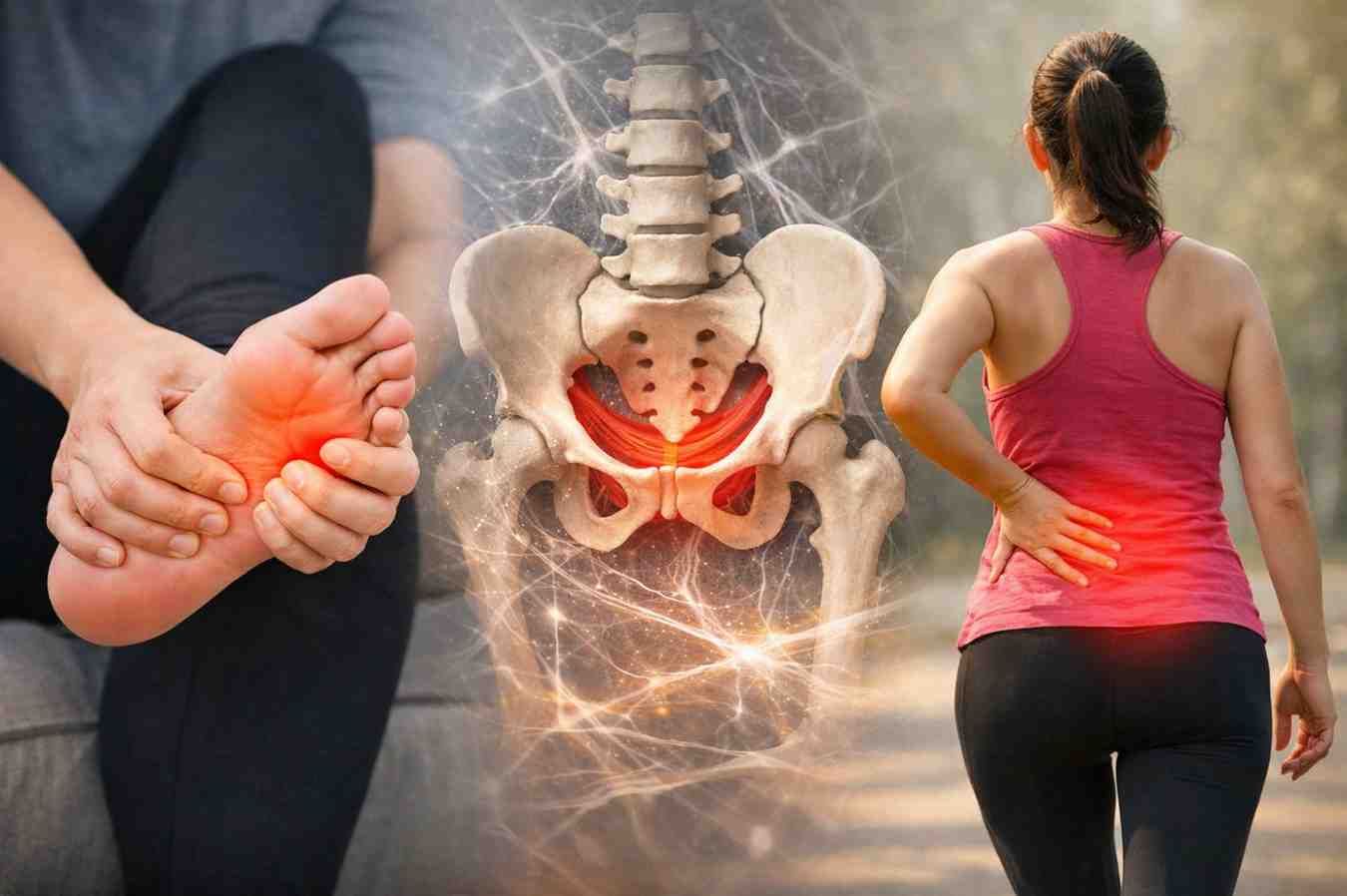

Living With Endometriosis Pelvic Pain: Symptoms, Causes, and Treatment Through Pelvic Physical Therapy
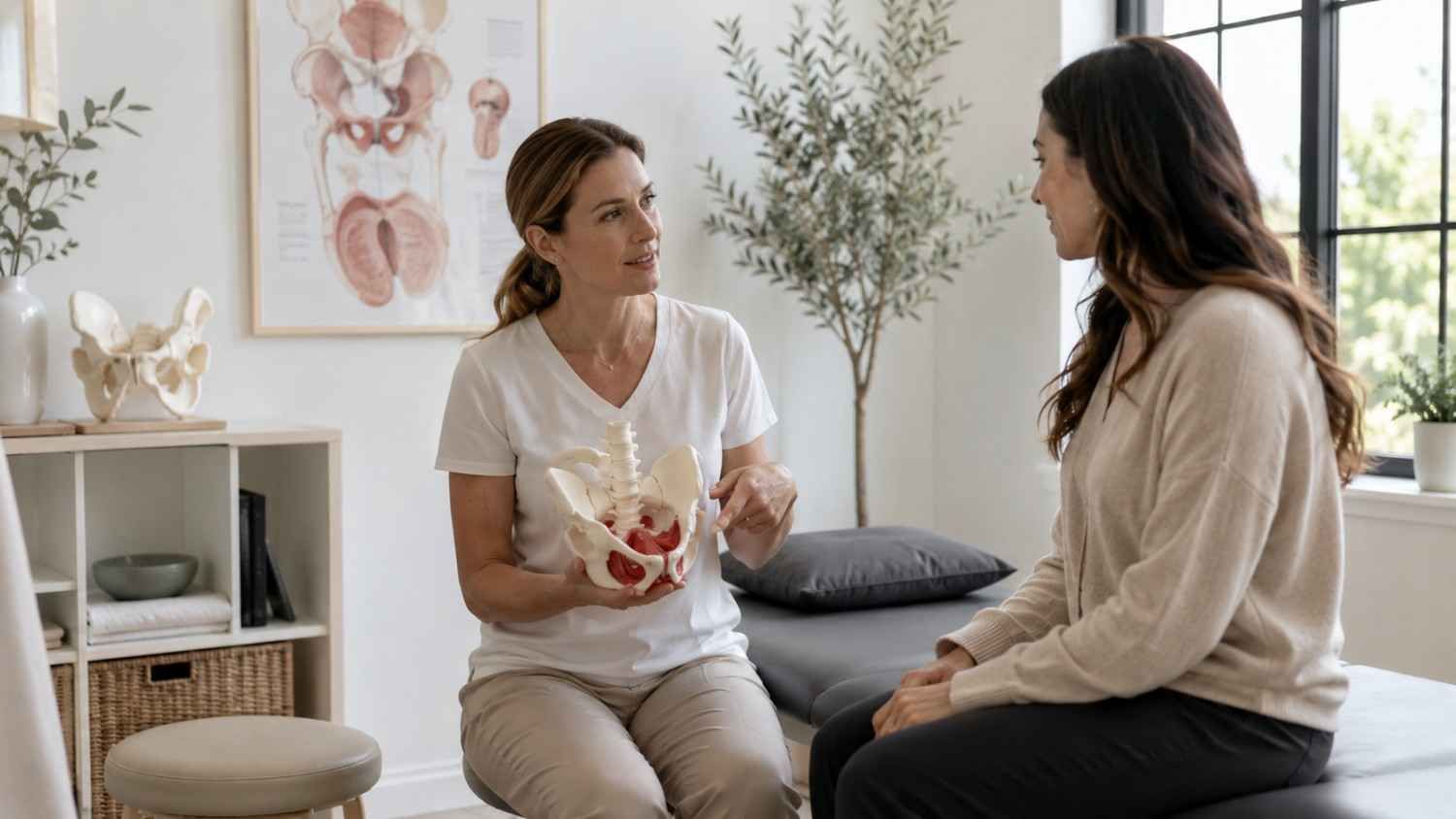
Pelvic pain changes how you move through your day. It affects work, relationships, sleep, and even how comfortable you feel in your own body. Many women live with this pain for years before they receive a clear explanation.
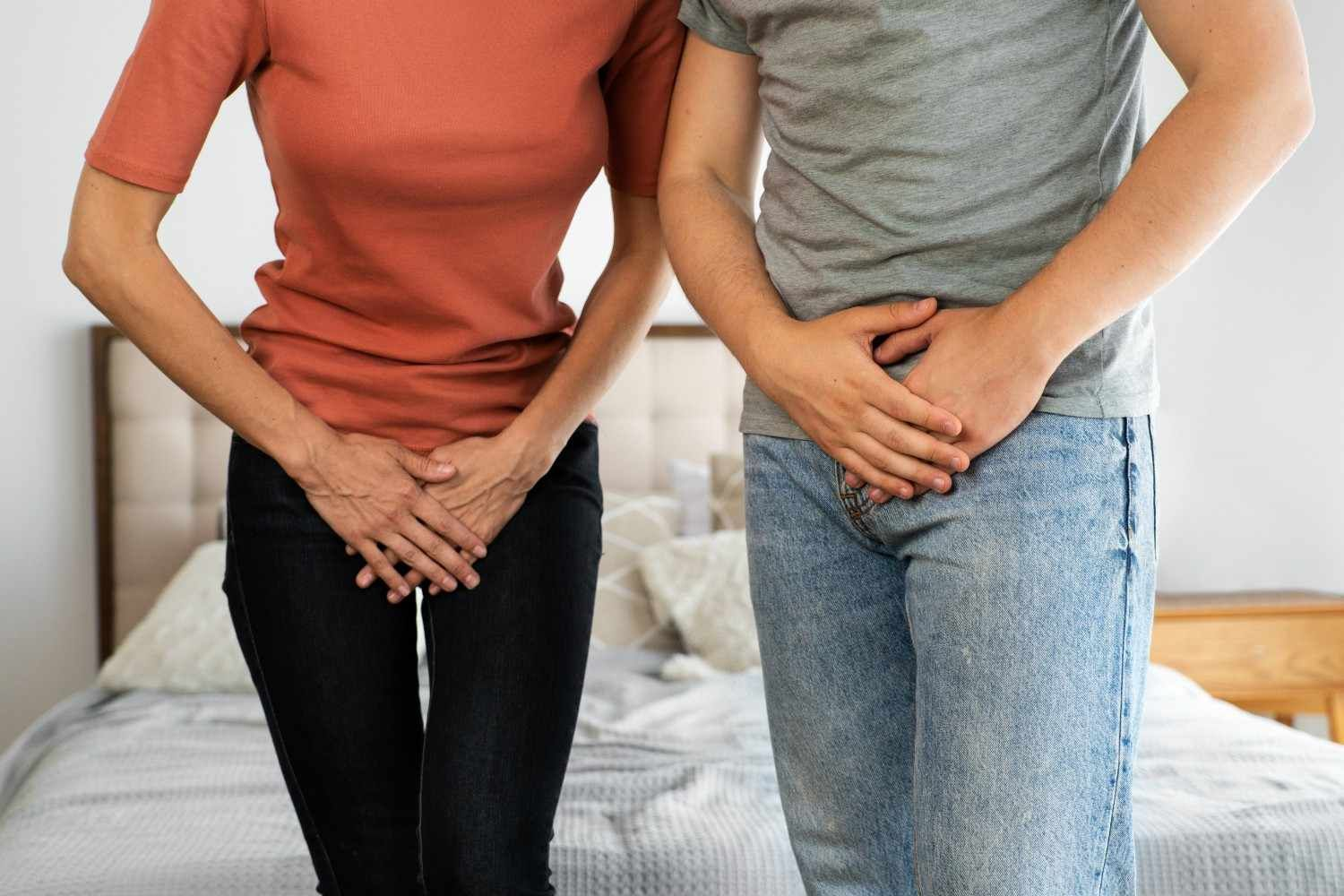
Endometriosis is often the cause of this experience. The condition affects about one in ten women and frequently drives chronic pelvic pain during reproductive years. You may notice severe menstrual cramps, pelvic pressure, discomfort with intercourse, or irritation in the bladder or bowel.
Medical treatment often focuses on managing lesions or hormone activity. Those treatments matter. Yet many people continue to feel pain after surgery or medication because muscles, nerves, and connective tissues within the pelvis change in response to long-term inflammation.
As a pelvic floor physical therapist in Houston, I frequently meet women who have lived with endometriosis-related pelvic pain for years before learning that pelvic floor dysfunction contributes to their symptoms. Understanding how the condition affects your body can help you find a treatment for chronic pelvic pain from endometriosis in Houston, TX.
What Is Endometriosis?
Endometriosis develops when tissue that resembles the lining of the uterus grows outside the uterus. Doctors call these growths endometrial-like lesions.
These lesions often appear on:
- ovaries
- fallopian tubes
- pelvic lining
- bladder
- bowel
The tissue still responds to hormonal cycles. During menstruation, it thickens, breaks down, and bleeds. Inside the uterus, this process leaves the body during a period. Outside the uterus, the blood and inflammatory fluid remain trapped.
This process irritates the surrounding tissues. Over time, the body may form scar tissue and adhesions. These adhesions bind organs together and restrict normal movement.
Endometriosis affects roughly one in ten women worldwide. Many women develop symptoms during their twenties or thirties, although some experience pain earlier.
Pain does not always reflect the extent of disease. A small lesion can produce intense discomfort if it sits near sensitive nerves or tissues.
Why Endometriosis Causes Pelvic Pain
Endometriosis creates pain through several biological and mechanical pathways. Understanding these mechanisms helps explain why symptoms may persist even after treatment.
Inflammation and Immune Response
Endometrial lesions trigger immune activity inside the pelvis. The immune system releases inflammatory chemicals that irritate surrounding tissues.
Inflammation increases sensitivity in nearby nerves. Even normal movement may start to feel painful.
Adhesions and Tissue Restriction
Scar tissue often develops after repeated inflammation. Adhesions may bind organs together or attach organs to surrounding fascia.
These restrictions limit how tissues glide during movement. When organs cannot move freely, tension builds within the pelvis.
Nerve Sensitization
Chronic inflammation exposes nerves to repeated pain signals. Over time, the nervous system may become more reactive.
This process lowers the threshold for pain. Sensations that once felt mild may start to feel intense.
Muscular Guarding
Your body naturally tries to protect injured areas. Pelvic muscles tighten in response to pain.
If this tension continues for months or years, muscles remain tight even when the initial trigger fades. The result becomes a cycle of pain and muscle guarding.
Symptoms of Endometriosis related Pelvic Pain
Symptoms vary widely between individuals. Some women notice mild discomfort. Others struggle with severe pain that interferes with daily activities.
Common symptoms include:
- persistent pelvic pain
- severe menstrual cramps
- pain during intercourse
- painful bowel movements
- urinary urgency or bladder pressure
- constipation or digestive discomfort
- lower back or hip pain
You may also experience fatigue or abdominal bloating during certain phases of the menstrual cycle.
Pain intensity does not always match the visible amount of endometriosis. A small lesion near a nerve may create significant discomfort. Larger areas sometimes cause fewer symptoms.
The Link Between Endometriosis and Pelvic Floor Dysfunction
Pelvic floor muscles support the bladder, bowel, and reproductive organs. These muscles help control urination, bowel movements, and sexual function.
Chronic pelvic pain often changes how those muscles behave.
Inflammation and irritation cause muscles to tighten as a protective response. Tight muscles restrict blood flow and reduce normal movement between tissues. Over time, the muscles may remain in a shortened and overactive state.
When muscles stay contracted for long periods, several changes develop:
- Reduced blood circulation
- trigger points inside muscle tissue
- decreased flexibility of pelvic structures
This creates a repeating pattern:
pain → muscle tightening → reduced circulation → more pain
Muscle tension spreads beyond the pelvic floor. The abdominal wall, hips, and lower back often compensate for restricted movement.
How Pelvic Floor Physical Therapy Helps Endometriosis Pelvic Pain
Pelvic physical therapy does not remove endometriosis lesions. Instead, it addresses the secondary factors that contribute to pain.
When therapy reduces muscle tension, nerve sensitivity, and tissue restriction, symptoms often improve.
Pelvic therapy focuses on several goals.
Reducing Muscle Tension
Manual therapy techniques release tight muscles and trigger points within the pelvic floor and surrounding tissues.
Improving Muscle Coordination
Pelvic muscles should contract and relax in a coordinated way. Chronic pain often disrupts this pattern. Targeted exercises retrain these muscles.
Calming the Nervous System
Breathing techniques and relaxation strategies help regulate nerve sensitivity and reduce pain signals.
Restoring Tissue Mobility
Scar tissue and adhesions limit how organs and connective tissues glide. Gentle mobilization techniques restore movement between these structures.
In my work providing endometriosis pelvic pain treatment in Houston, TX, addressing pelvic floor tension alongside medical treatment often leads to meaningful improvements in comfort and daily function.
Improving Lifestyle and Nutrition Choices
Small daily changes can help reduce inflammation, calm the nervous system, and support pelvic health alongside therapy.
- Anti-inflammatory nutrition: Focus on whole foods like vegetables, fruits, healthy fats, and lean proteins. Limit processed foods, excess sugar, and caffeine to reduce inflammatory load.
- Hydration support: Adequate water intake helps maintain tissue health and supports smoother bowel movements, reducing pelvic strain.
- Stress regulation: Chronic stress can increase pain sensitivity. Simple practices like deep breathing, gentle movement, or short rest periods help calm the nervous system.
- Sleep quality: Consistent, restorative sleep supports hormone balance, tissue repair, and better pain tolerance.
- Movement habits: Light, regular movement (walking, stretching) helps prevent stiffness and reduces tension in pelvic and surrounding muscles.
These adjustments work alongside pelvic floor therapy to help break the cycle of inflammation, muscle guarding, and persistent pain.
Physical Therapy Techniques Used for Endometriosis Pelvic Pain
Pelvic therapy involves several treatment methods. Your therapist selects techniques based on symptoms, medical history, and movement patterns.
Manual Therapy and Myofascial Release
Hands-on treatment targets tight muscles and connective tissues. This work releases trigger points and reduces pelvic muscle tension.
Visceral Mobilization
Gentle techniques improve the mobility of pelvic organs affected by adhesions. When organs move freely, surrounding tissues experience less strain.
Pelvic Floor Relaxation Training
Guided exercises help reduce muscle overactivity and improve coordination.
Postural and Movement Training
Strengthening the hips, core, and back reduces strain on pelvic tissues and supports better movement patterns.
Scar Tissue Rehabilitation
After endometriosis surgery, scar tissue may restrict abdominal and pelvic mobility. Specific techniques help soften and mobilize these areas.
Patients seeking pelvic floor therapy for endometriosis in Spring Branch, TX, or endometriosis chronic pelvic pain therapy in Bellaire, TX, often benefit from a combination of these methods.
When to Seek Treatment for Endometriosis Pelvic Pain
Pelvic pain that interferes with daily life deserves attention. You may benefit from evaluation if you experience:
- persistent pelvic discomfort
- painful intercourse
- bladder or bowel pain
- Lower back pain associated with menstrual cycles
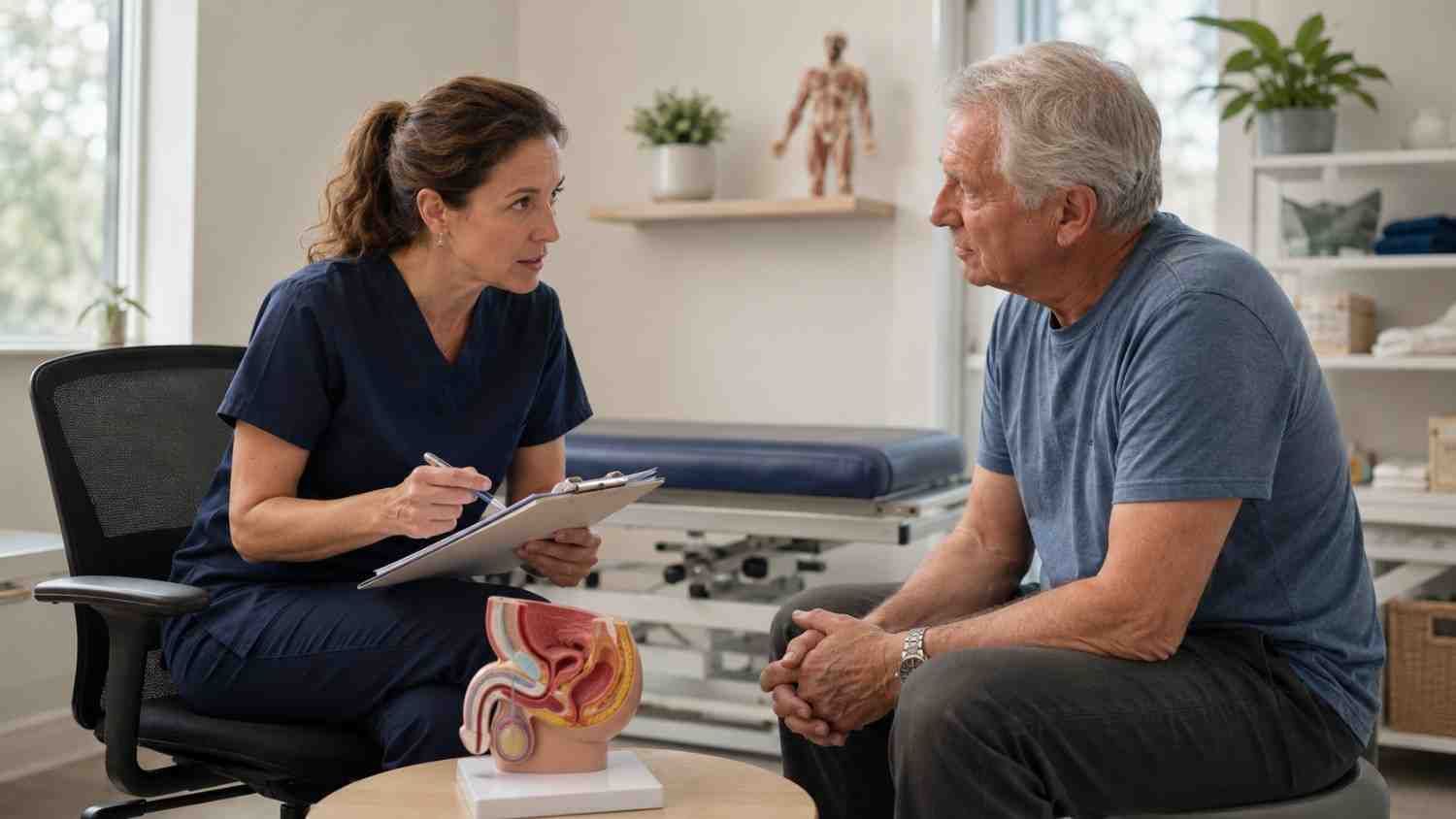
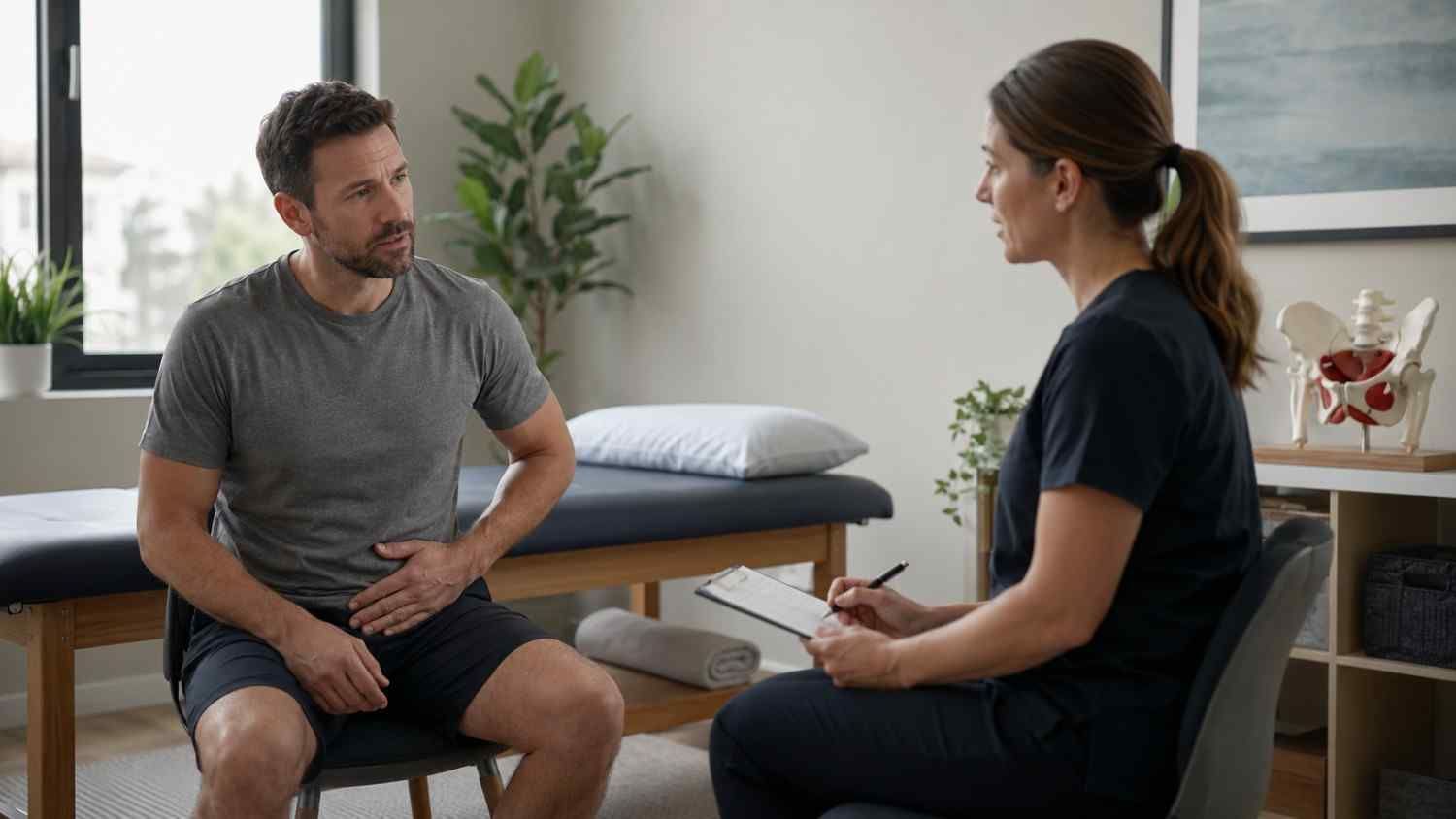
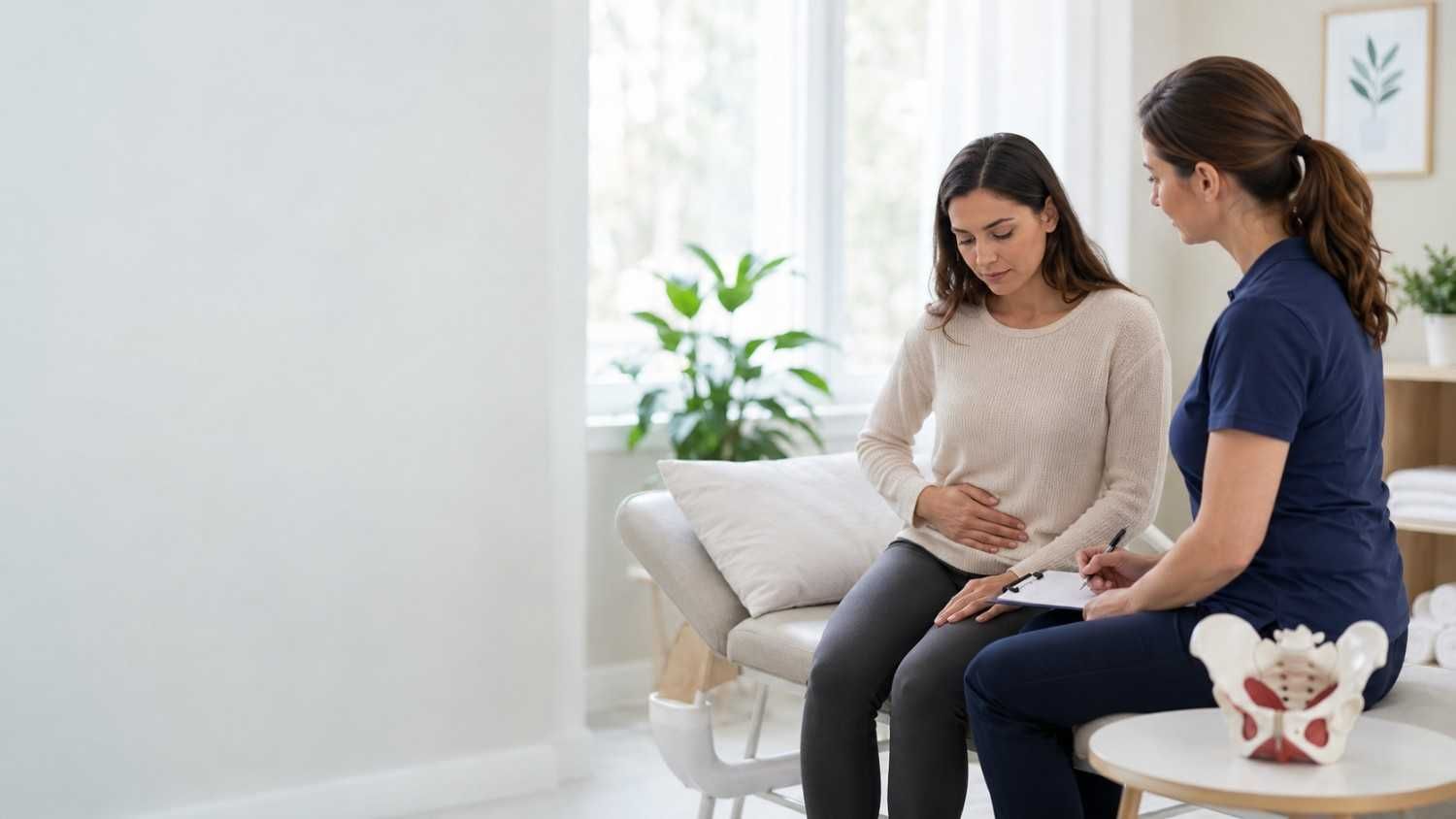
A pelvic health evaluation examines muscle coordination, posture, and tissue mobility. This assessment helps identify factors contributing to pain.
Many women seek endometriosis pelvic health treatment in Memorial, TX, after symptoms continue despite medication or surgery.
Pelvic Floor Physical Therapy for Endometriosis in Houston
I’m Katie Beckham, and I provide specialized pelvic rehabilitation for women experiencing chronic pelvic pain and pelvic floor dysfunction.
My approach focuses on individualized, one-on-one care in a private setting. Each session centers on identifying the factors contributing to your symptoms and developing a plan tailored to your needs.
Treatment may include:
- manual therapy to release pelvic tension
- movement retraining to improve muscle coordination
- breathing strategies that calm the nervous system
- guidance for restoring comfortable daily movement
Women seeking endometriosis physical therapy in Bunker Hill Village, TX, or nearby Houston communities often arrive after years of unresolved pelvic pain. My goal is to help you restore comfort, mobility, and confidence in your body.
Finding Help for Endometriosis Pelvic Pain
Living with pelvic pain can feel exhausting. Many women search for answers for years before someone evaluates the muscular and movement components of their symptoms.
Endometriosis creates inflammation and tissue changes inside the pelvis. Muscles, nerves, and connective tissues often react to those changes. Pelvic floor therapy addresses those secondary contributors to pain.
If you experience persistent pelvic pain, painful intercourse, or bladder and bowel discomfort related to endometriosis, a pelvic health evaluation may help identify the source of your symptoms.
If you live in Houston, Bellaire, Memorial, Spring Branch, or Bunker Hill Village and struggle with endometriosis-related pelvic pain, contact Beckham Physical Therapy and Wellness to schedule a consultation and discuss whether pelvic floor therapy may help improve your comfort and daily function.