
Understanding the Role of the Pelvic Floor in Hip and Groin Pain
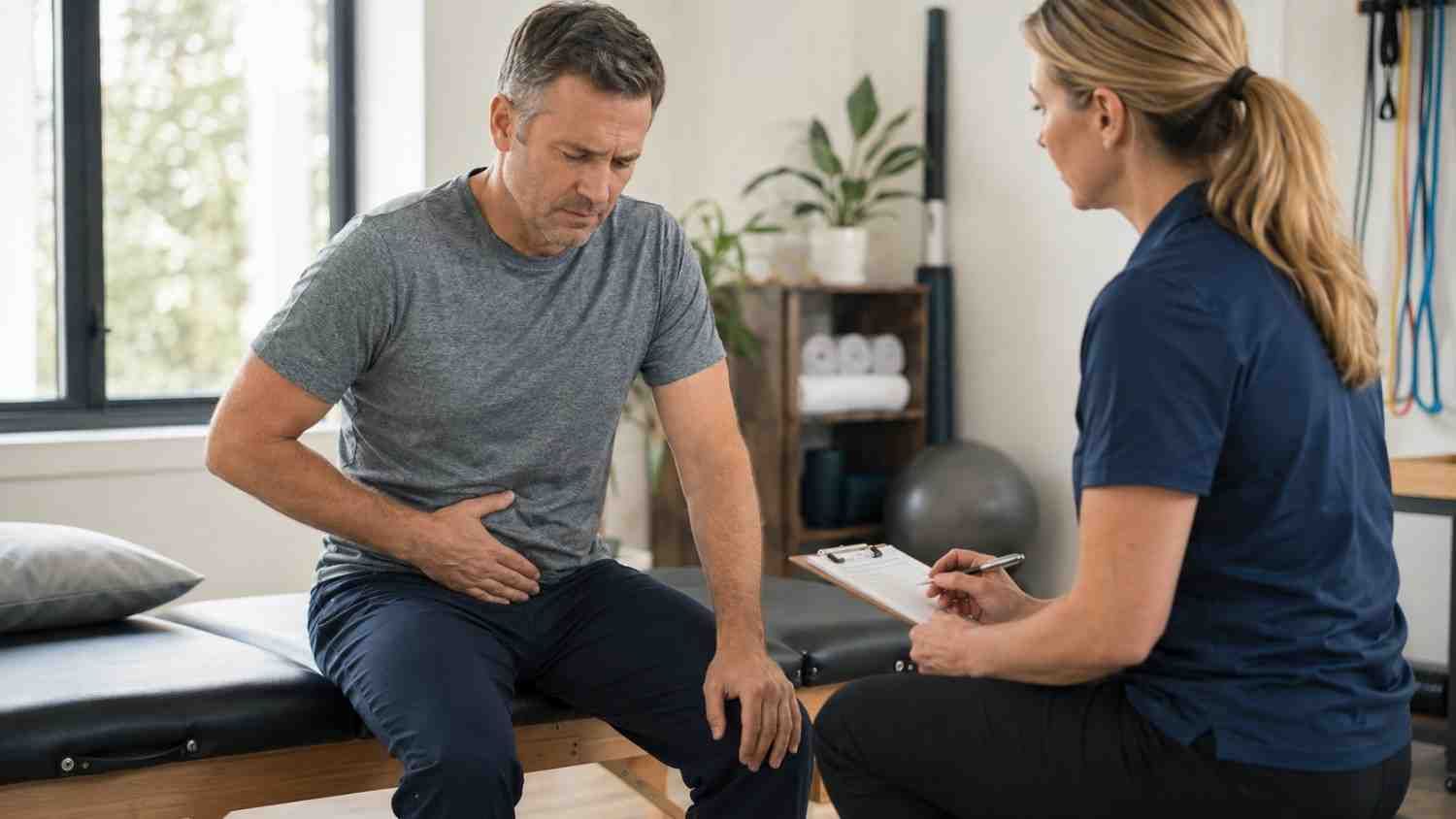
Hip and groin pain are common. What’s less common is getting a clear answer when that pain doesn’t resolve. Many people go through imaging, orthopedic exams, injections, or months of hip-focused physical therapy, only to be told that everything “looks normal.” Yet the discomfort persists, sometimes sharp, sometimes deep and hard to pinpoint, often returning as soon as activity increases. For athletes, this can mean stalled performance or repeated setbacks. For others, it quietly interferes with daily movement, sleep, intimacy, or confidence.
There’s a growing understanding in sports medicine and rehabilitation that pain “around the hip” isn’t always coming from the hip joint itself. In many cases, the missing piece is the pelvic floor, a group of muscles that plays a much larger role in movement, stability, and pain than most people realize.
This is something I see routinely in clinical practice. As a pelvic floor physical therapist working with both men and women in the Memorial and Bellaire areas, I regularly help patients whose hip or groin pain finally improves once the pelvic floor is properly assessed and treated.
Why Hip and Groin Pain Is Often More Than a Hip Problem
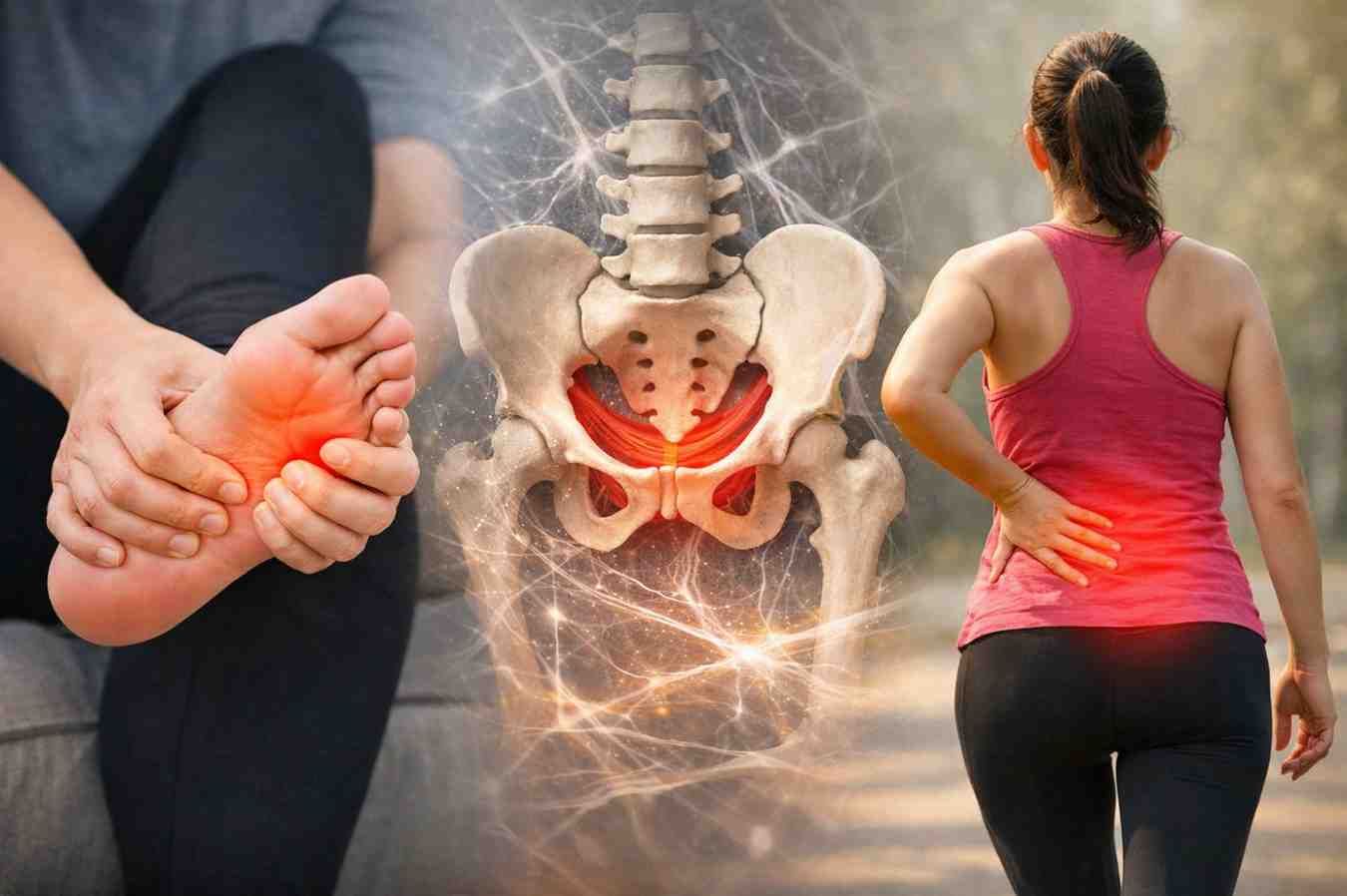
The hip does not work in isolation. Every step, squat, lift, or rotation depends on how forces move through the pelvis. The pelvis acts as the foundation that transfers load between the spine and the legs. When that foundation is unstable, overworked, or poorly coordinated, surrounding tissues, including the hip and groin, absorb stress they were never meant to handle.
This is why two people can have the same MRI findings, yet only one experiences persistent pain. Structure alone rarely tells the whole story. Function matters just as much.
The Pelvic Floor’s Role in Hip and Groin Pain
What the Pelvic Floor Actually Does
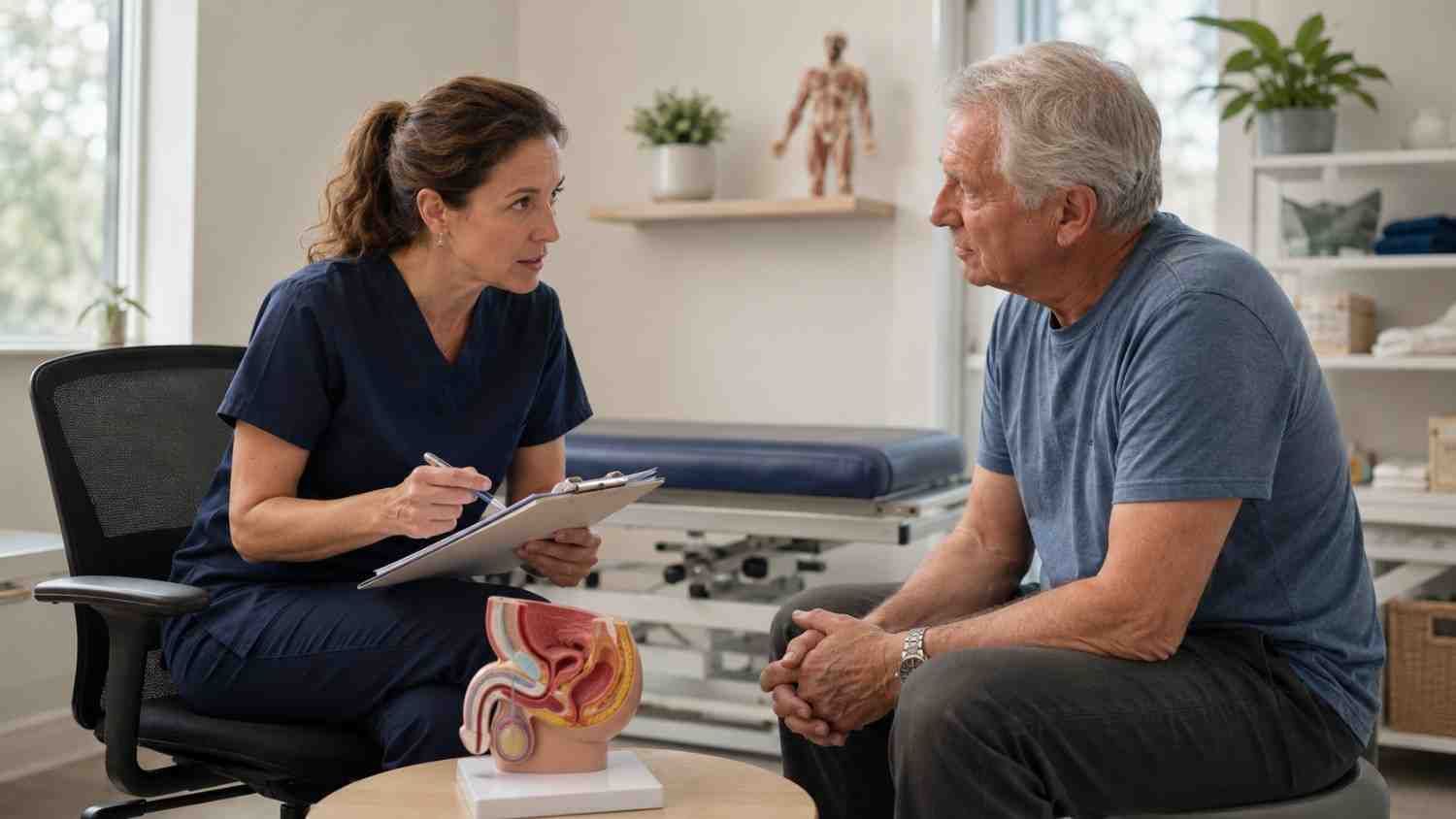
The pelvic floor is a group of muscles at the base of the pelvis. While it’s often associated only with bladder, bowel, or sexual function, its role extends far beyond that.
These muscles work closely with the diaphragm, deep abdominal muscles, and hip stabilizers to:
- Support the pelvis during movement
- Help manage pressure during lifting, running, and impact
- Coordinate timing and stability as the legs move beneath the body
When this system is balanced, movement feels efficient and controlled. When it isn’t, pain often appears elsewhere.
How Pelvic Floor Dysfunction Contributes to Pain
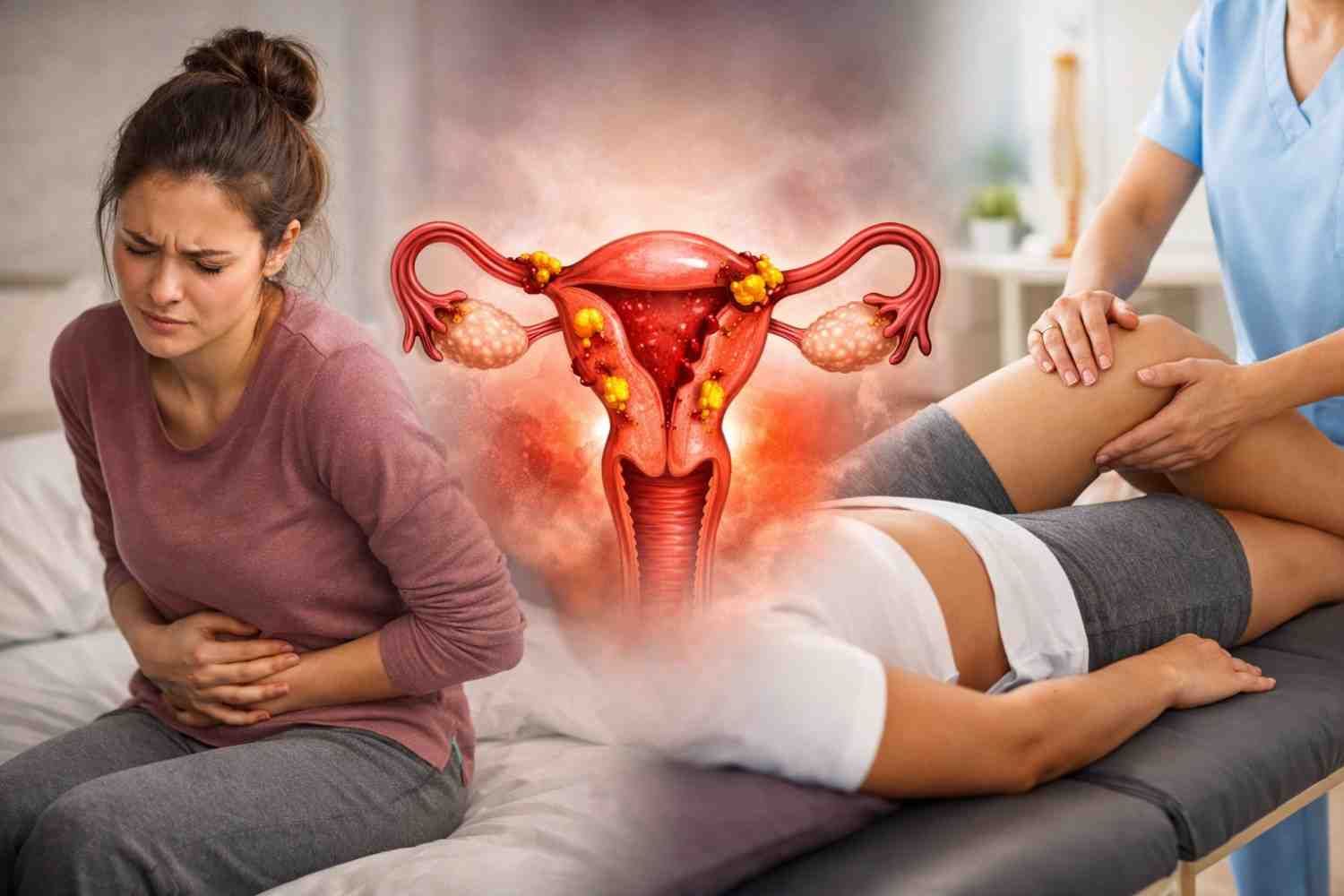
Pelvic floor dysfunction doesn’t always mean weakness. In fact, many people with hip or groin pain have pelvic floor muscles that are overly tense or unable to relax when needed.
This can lead to:
- Altered movement patterns and compensation
- Increased strain through the hip joint or groin tissues
- Referred pain that feels deep, vague, or difficult to locate
- A nervous system that remains in a heightened, protective state
Over time, these patterns can maintain pain even after the original injury has healed.
What Research Is Now Confirming
Recent research published in the British Journal of Sports Medicine has reinforced what pelvic health clinicians have observed for years. Pelvic floor dysfunction commonly coexists with hip and groin pain, particularly in active populations.
These studies highlight that when the pelvic floor is not considered during assessment, patients may be misdiagnosed, under-treated, or pushed toward unnecessary imaging or procedures. In many cases, conservative, pelvic-informed rehabilitation leads to better and more lasting outcomes.
This shift is especially important for athletes, who place repeated load and pressure through the pelvis during training and competition.
Signs the Pelvic Floor May Be Involved in Your Hip or Groin Pain
Not everyone with pelvic floor involvement has bladder or bowel symptoms. Many don’t. Common indicators include:
- Deep groin pain or pain near the sit bones or tailbone
- Hip pain that changes with stress, fatigue, or prolonged activity
- Symptoms that improve briefly but keep returning
- Pain paired with constipation, IBS, urinary urgency, or leakage
- Discomfort with intimacy or decreased pelvic awareness
- Pain after childbirth or prostate-related procedures
If these sound familiar, the pelvic floor may be contributing more than you’ve been told.
Why Standard Hip Therapy Sometimes Isn’t Enough
Traditional orthopedic rehabilitation often focuses on strengthening, stretching, and joint mobility. While these are valuable, they don’t always address how the body is coordinating pressure, breath, and muscle timing during real-life movement.
If the pelvic floor is overactive, poorly timed, or disconnected from the rest of the core system, strengthening the hips alone may reinforce compensation rather than resolve it. This is one of the most common reasons people feel “better but not better enough.”
How Pelvic Floor Physical Therapy Addresses Hip and Groin Pain
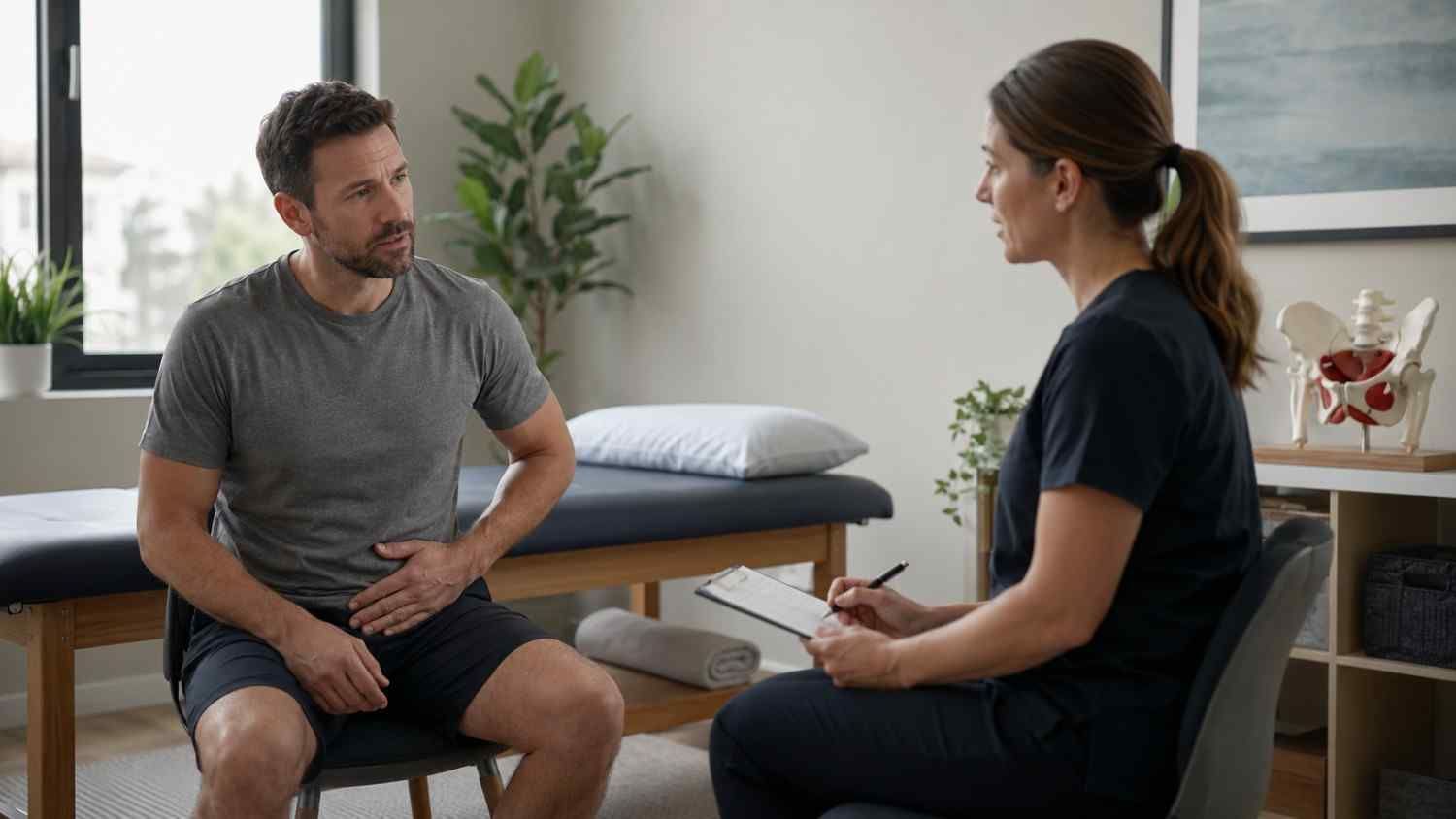
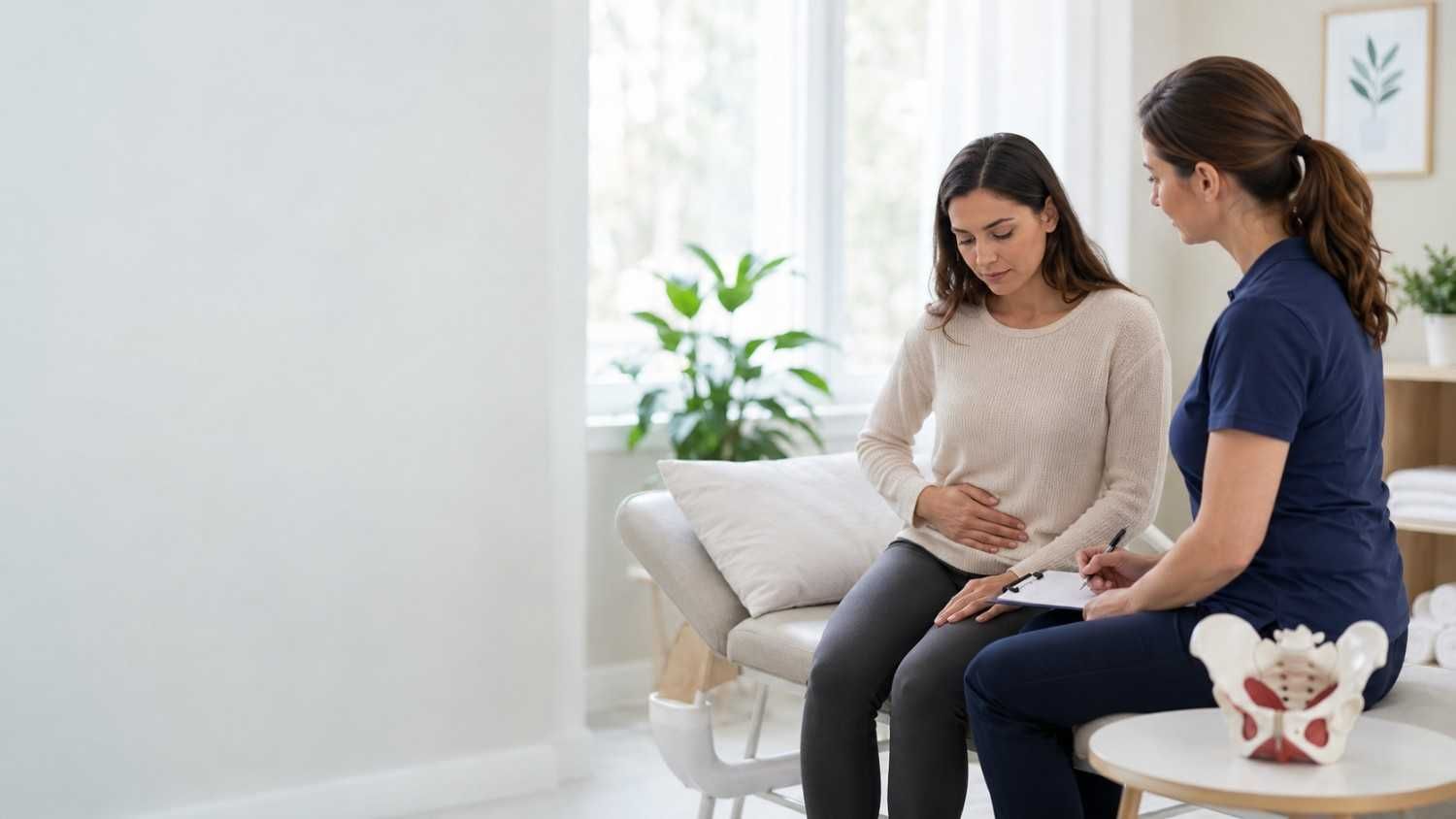
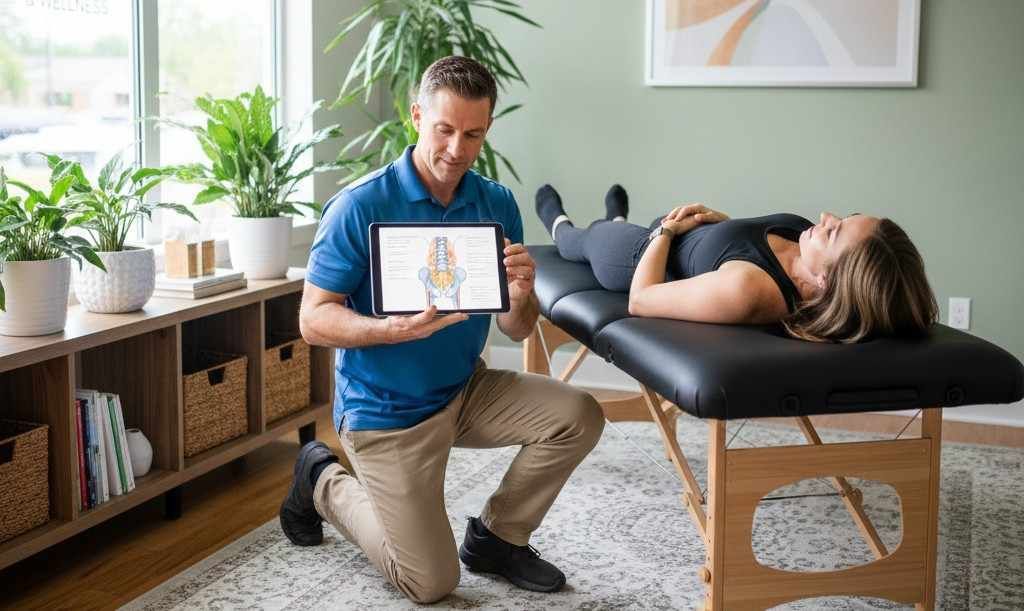
Pelvic floor physical therapy looks beyond the site of pain. A comprehensive evaluation considers how the pelvis, hips, core, breathing patterns, and nervous system work together.
For individuals seeking pelvic physical therapy for hip pain in Memorial, or Houston, TX, treatment may include:
- Manual therapy to address muscle tension and connective tissue restrictions
- Breathing and posture retraining to improve load management
- Neuromuscular re-education to restore coordination and timing
- Strategies to calm a sensitized nervous system
For patients in Bunker Hill Village dealing with combined hip and groin symptoms, pelvic-informed care often fills the gap left by standard approaches.
Athletes: Why This Matters for Performance and Recovery
Athletes are particularly vulnerable to pelvic floor dysfunction due to repetitive load, high training volumes, breath-holding during exertion, and pressure management demands.
When the pelvic floor isn’t functioning optimally:
- Power transfer becomes inefficient
- Stability decreases under fatigue
- Re-injury risk increases
- Performance plateaus despite strength gains
Addressing pelvic floor involvement can improve not only pain levels but also movement efficiency, confidence, and long-term durability.
When to Consider Pelvic Therapy for Groin Pain
Pelvic therapy is worth considering if you’ve experienced:
- Groin pain that hasn’t resolved with traditional care
- Recurrent symptoms despite rest or strengthening
- Combined hip pain and pelvic, bowel, or bladder symptoms
Patients seeking groin pain pelvic therapy in Spring Branch or pelvic therapy for groin pain in Bellaire, TX often arrive after months or years of unanswered questions. A pelvic floor evaluation can finally provide clarity.
A More Complete, Whole-Body Approach to Healing
At Beckham Physical Therapy and Wellness, care is intentionally different. I work one-on-one in a private, home-based setting, allowing time to fully understand contributing factors rather than rushing through symptoms.
With over 40 years of clinical experience and more than 15 years dedicated exclusively to pelvic health, my approach integrates:
- Orthopedic and pelvic floor expertise
- Nervous system and neuromuscular considerations
- Lifestyle, inflammatory, and autoimmune influences on healing
This comprehensive perspective is especially important for complex or chronic cases where standard approaches have fallen short.
Ready to Stop Guessing?
If hip or groin pain has been controlling your movement, your training, or your quality of life, it’s time to look deeper. Persistent pain is not something you have to accept, and it is rarely “just how your body is.”
Get answers. Get a clear plan. Start addressing the real source of your pain now. Schedule your pelvic floor evaluation today.