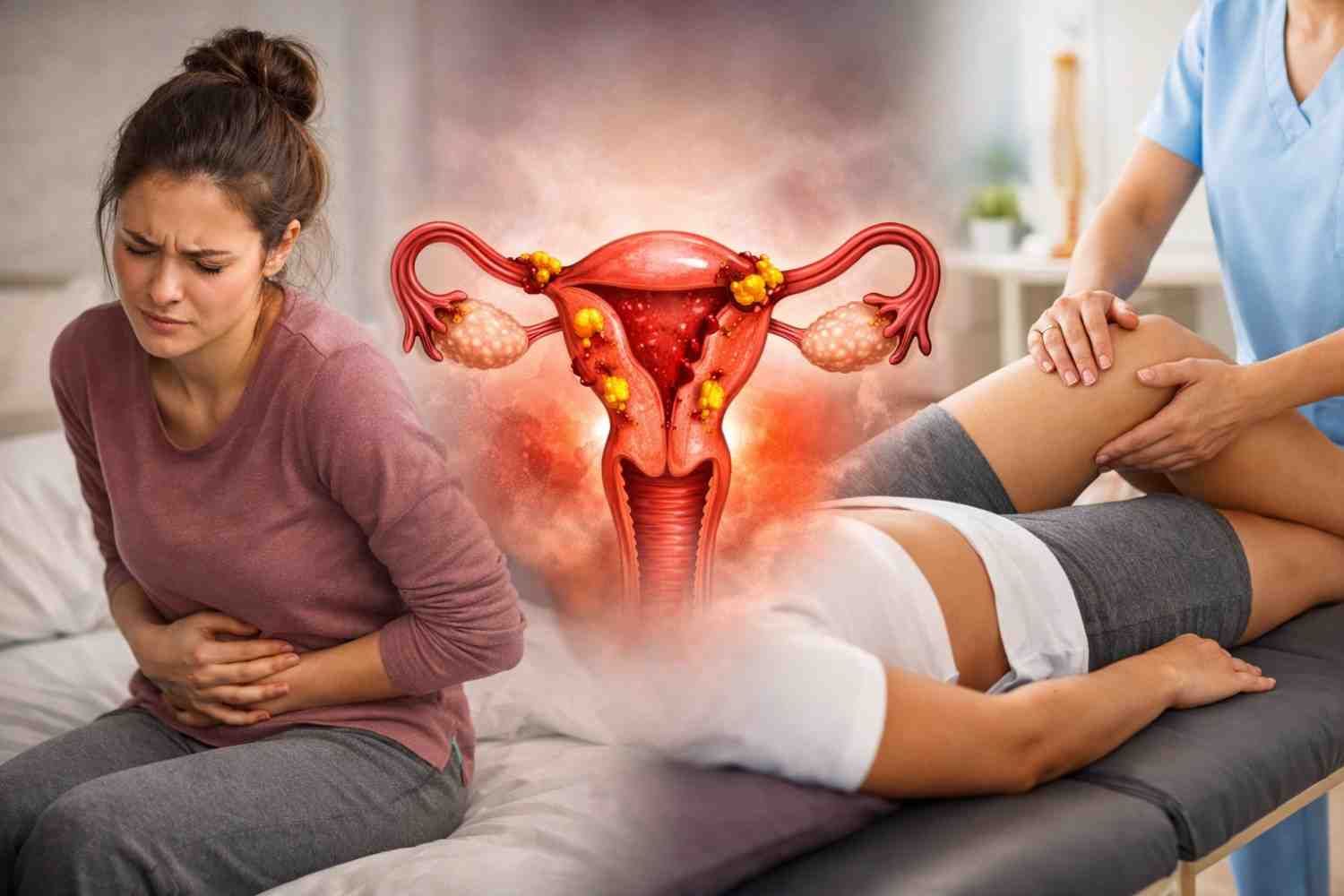

Chronic Tailbone Pain: How Pelvic Floor Physical Therapy Can Help
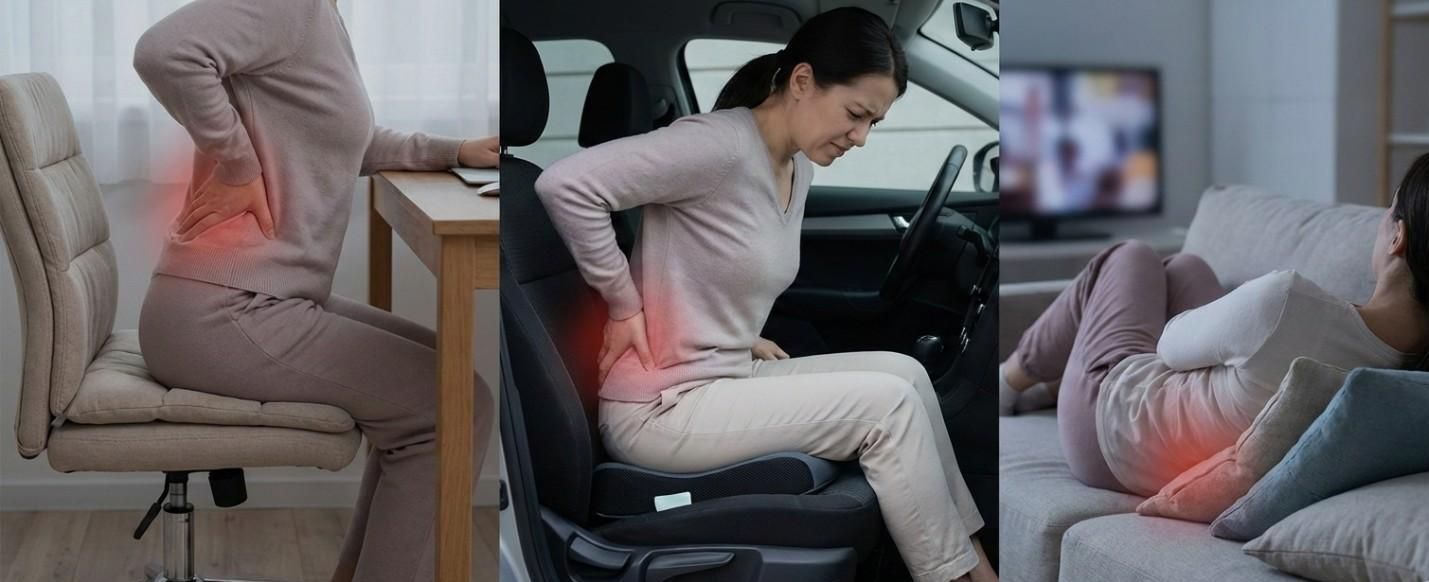
Chronic tailbone pain has a way of shrinking daily life. Sitting becomes uncomfortable. Standing up takes effort. Long drives, desk work, and even rest can start to feel like obstacles instead of routines. For many people, the most frustrating part is being told that imaging looks “normal,” even though the pain clearly is not. Steroid injections are only minimally helpful.
This condition, medically referred to as coccydynia, is more common than most realize and affects both men and women. When tailbone pain lingers for weeks or months, it is rarely just a bone problem. More often, it reflects how the tailbone interacts with surrounding muscles, joints, and the pelvic floor.
Understanding that connection is the first step toward meaningful, non-surgical relief.
Understanding Chronic Tailbone Pain
The tailbone, or coccyx, sits at the base of the spine and plays an important role in sitting balance and weight transfer. It is also an attachment point for several muscles and ligaments, including key muscles of the pelvic floor.
Chronic tailbone pain may present as:
- A deep ache or sharp pain at the base of the spine
- Discomfort that worsens with sitting or rising from a chair
- Pain during bowel movements or intimacy
- Soreness after prolonged driving or desk work
When symptoms persist beyond the expected healing period, they are often driven by muscular tension, altered movement patterns, or restricted joint motion rather than an acute injury.
Why Tailbone Pain Develops Beyond Obvious Injury
Although a fall directly onto the tailbone can cause pain, many people develop coccydynia without a single clear injury. Repetitive strain and prolonged pressure are common contributors.
Tailbone pain may be associated with:
- Extended sitting, especially on firm or narrow surfaces
- Activities such as cycling or long-distance driving
- Poor load distribution through the pelvis and spine
- Chronic constipation and repeated straining
- Degenerative joint changes over time
- Normal anatomical variation in coccyx shape or position
Over time, the body often responds by tightening surrounding muscles to protect the area. That protective response can unintentionally maintain pain.
The Overlooked Role of the Pelvic Floor
The pelvic floor is a group of muscles that forms the base of the pelvis. These muscles support the bladder and bowel and contribute to posture, breathing, and movement. Several pelvic floor muscles attach directly to the coccyx.
When these muscles become tight, overactive, or poorly coordinated, they can limit the natural movement of the tailbone. This restriction increases pressure and sensitivity in the area and can disrupt normal function. In many cases, an initial irritation leads to pelvic floor guarding, which then reinforces pain even after the original cause has resolved.
This is why chronic tailbone pain often overlaps with bowel, bladder, pelvic, or lower back symptoms.
When Tailbone Pain Becomes Chronic
Short-term tailbone pain often improves with rest and time. Chronic pain follows a different pattern. Muscle guarding, altered posture, and avoidance of certain movements can keep the coccyx under constant stress.
Without targeted treatment, the body adapts to the pain rather than resolving it. This is why cushions or medication alone may offer temporary relief but fail to produce lasting improvement.
How Pelvic Floor Physical Therapy Treats Chronic Tailbone Pain
Pelvic floor physical therapy addresses tailbone pain by evaluating the entire pelvic and spinal system, not just the coccyx itself. This approach is especially effective for individuals seeking pelvic floor therapy for tailbone pain in Houston or tailbone pain physical therapy in Spring Branch who want to avoid invasive procedures.
A Thorough Evaluation That Looks Beyond the Tailbone
Assessment includes coccyx mobility, pelvic alignment, lumbar spine mechanics, pelvic floor muscle tone and coordination, and breathing patterns. This allows the true drivers of pain to be identified.
Manual Therapy to Reduce Tension and Restore Motion
Manual techniques are used to release restricted tissue and reduce excessive muscle tone. In some cases, internal pelvic floor techniques accessed rectally are necessary because many of the muscles affecting tailbone pain cannot be reached externally. These techniques are performed professionally, with clear explanation and patient consent.
Movement, Breathing, and Muscle Retraining
Treatment also focuses on restoring efficient movement. This may include gentle strengthening of the hips and core, pelvic floor coordination exercises, breathing strategies to reduce muscle guarding, and gradual improvement in sitting tolerance.
Non-Surgical Treatment Options That Support Healing
As part of non-surgical tailbone pain treatment in Houston, conservative care may include:
- Pelvic floor physical therapy as a first-line approach
- Seating modifications to reduce direct coccyx pressure
- Cushions designed to offload the tailbone rather than compress it
- Toileting mechanics to minimize straining
- Lifestyle adjustments that support tissue health and reduce inflammation
These strategies are most effective when guided by a clinician trained in pelvic health.
Why General Treatment Often Misses the Root Cause
Tailbone pain is frequently treated as a localized bone issue. While imaging can rule out serious conditions, it does not assess muscle tension, coordination, or movement patterns. When pelvic floor dysfunction is overlooked, pain often persists despite otherwise appropriate care.
Tailbone Pain Treatment in Houston and Spring Branch
Pelvic floor–focused physical therapy provides a conservative option for those whose symptoms have not resolved with rest or general treatment. Patient-centered care allows for careful assessment, treatment, and steady progress without unnecessary interventions.
I am Katie Beckham, PT, WHNC, and I specialize in pelvic floor physical therapy for men and women dealing with persistent tailbone pain. I bring over 40 years of experience as a physical therapist, with more than 15 years dedicated exclusively to pelvic health.
At Beckham Physical Therapy and Wellness, I provide one-on-one care in a private, home-based clinic in the Memorial area. There are no busy treatment floors, no shared appointments, and no rushed sessions. Every visit is focused entirely on you and your recovery.
If you are looking for tailbone pain treatment in Spring Branch, TX, tailbone injury therapy, or a tailbone pain relief clinic in Houston that prioritizes individualized care, a consultation can be an effective next step.
When to Seek Professional Care
You should consider evaluation if tailbone pain:
- Persists for more than a few weeks
- Limits sitting, work, or daily activities
- Is associated with bowel or bladder changes
- Affects quality of life or confidence
Early, targeted care can prevent long-term complications and ongoing discomfort.
Take the Next Step Toward Relief
Chronic tailbone pain does not have to become a permanent part of your life. When rest, cushions, and medication are no longer enough, a focused pelvic floor evaluation can provide answers and direction.
If you are ready to address the root cause of your tailbone pain and pursue conservative, individualized treatment, contact me today and schedule your appointment.