
Vibrators & Pelvic Health Therapy in Houston | What Women Should Know
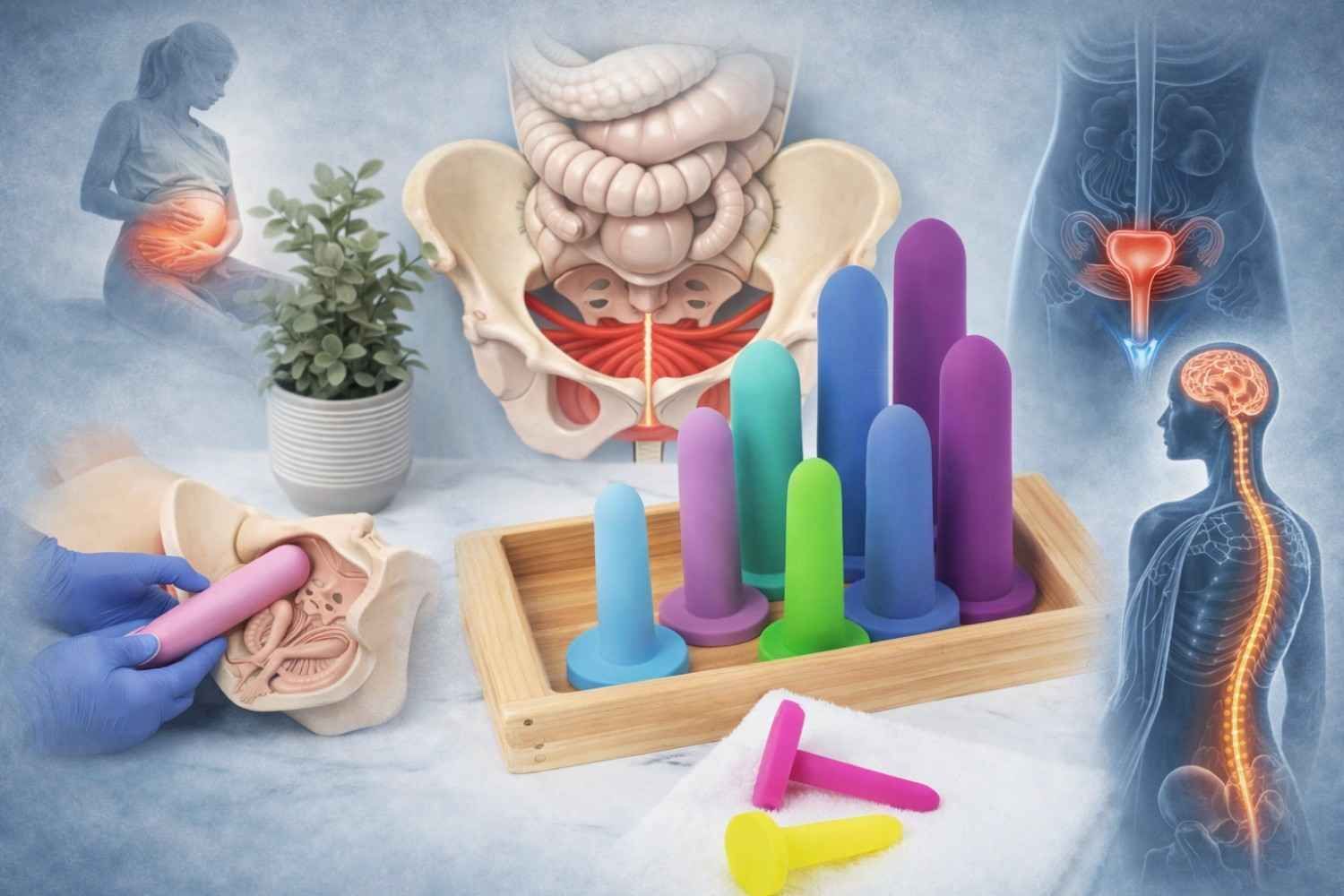
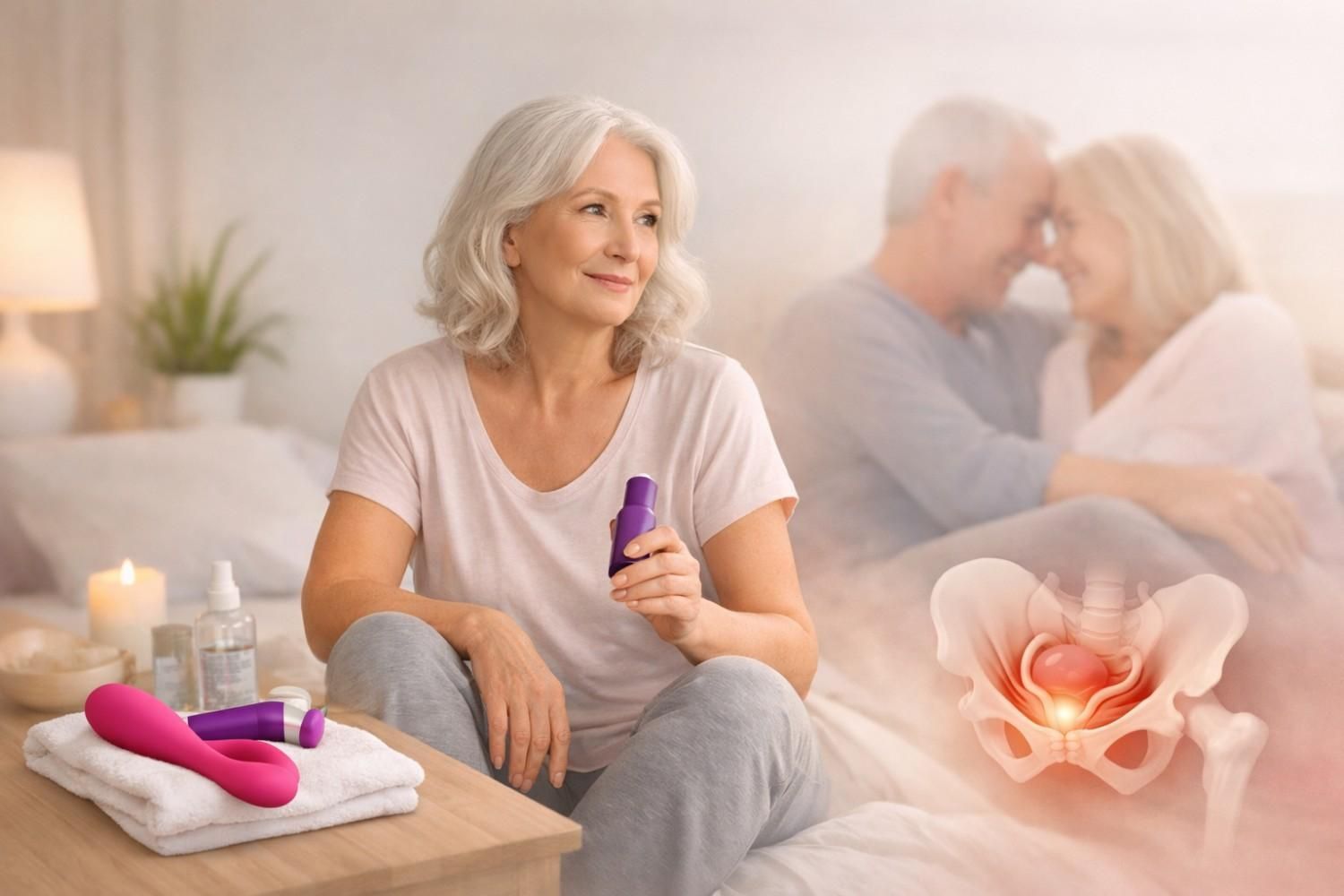
For many years, vibrators have entered conversations around pelvic health, not as novelty items, but as tools that may support muscle function, circulation, and symptom relief when used appropriately. That shift has raised important questions. Are vibrators actually helpful for pelvic health? How do they fit alongside pelvic floor therapy? And where do medical tools like dilators fit in?
This article focuses on the pelvic health perspective, not sexual performance and not products, so you can understand what these tools may support, where they fall short, and when professional guidance matters.
What Pelvic Health Really Means
Pelvic health is about far more than sex or childbirth. The pelvic floor is a complex system of muscles, connective tissue, nerves, and blood supply that supports the bladder, bowel, and reproductive organs. These structures must work together with precision.
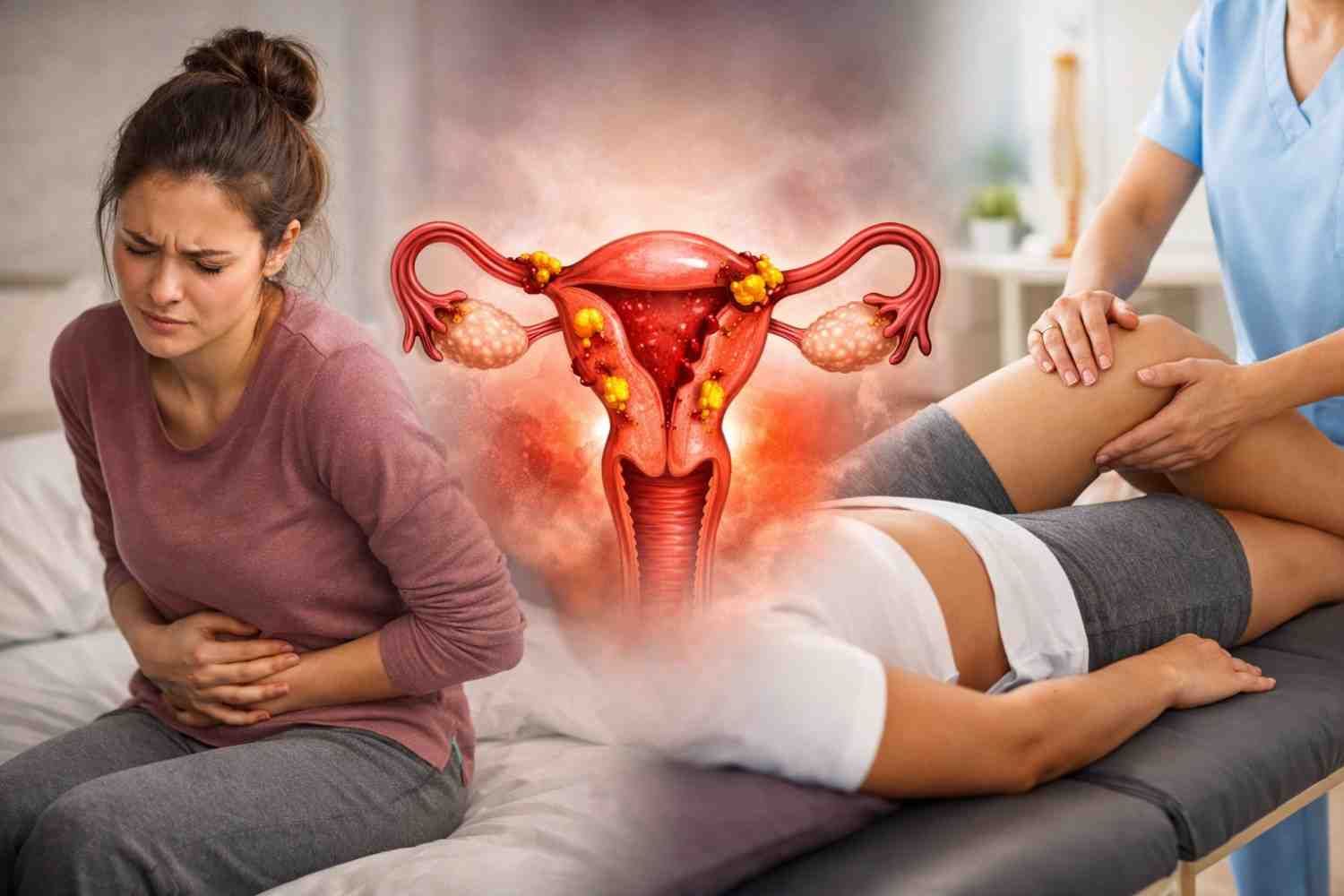
When that coordination is disrupted, symptoms can show up as:
- Pelvic or tailbone pain
- Bladder urgency, frequency, or leakage
- Pain with penetration or gynecologic exams
- Constipation or incomplete bowel emptying
- A feeling of heaviness or pressure
Importantly, pelvic floor dysfunction is not always about weakness. In many women, muscles are overactive, guarded, or unable to relax, which can create pain and interfere with normal function.
Why Vibrators Are Being Discussed in Pelvic Health Care
Research and clinical observation have explored how vibrators may support pelvic health, not for pleasure alone, but for their physiological effects.
From a therapeutic standpoint, vibratory stimulation can:
- Increase blood flow to pelvic tissues
- Provide sensory input to pelvic floor muscles.
- Improve awareness of tension versus relaxation.
- Help calm the pain signaling pathway.
In clinical studies, structured external vibrator use, often just a few minutes at a time, has been associated with improvements in pelvic pain, bladder symptoms, tissue health, and overall quality of life. Notably, orgasm is not required for these effects. The benefit comes from circulation, neuromuscular input, and nervous system regulation.
This is why pelvic health vibrators are now discussed as supportive tools rather than standalone treatments.
Pelvic Health Conditions: These Tools May Support
Vibrators and vaginal dilators are not sole solutions. Research and pelvic health practice suggest they may play a supportive role for specific conditions when used appropriately and with guidance.
Conditions Where Vibrators May Be Helpful
Vibrators are most often considered adjunct tools for conditions involving muscle tension, reduced circulation, or altered sensory signaling.
They may support care for:
- Chronic pelvic pain, particularly when muscle guarding or nervous system sensitization is present
- Overactive or tight pelvic floor muscles, when relaxation is difficult to achieve
- Pain with penetration, when internal techniques are not tolerated or appropriate
- Genitourinary Syndrome of Menopause (GSM), where reduced blood flow and tissue sensitivity contribute to discomfort
- Pelvic pain associated with bladder symptoms, such as urgency or frequency linked to muscle coordination issues
In clinical studies, structured external vibrator use has been associated with improvements in pelvic pain, bladder-related symptoms, tissue health, and quality of life. These benefits appear related to improved blood flow, neuromuscular input, and nervous system regulation rather than sexual stimulation.
Conditions Where Vaginal Dilators Are Commonly Used
Vaginal dilators are medical therapy tools and are typically introduced when pain or restriction is related to tissue tolerance or narrowing.
They are commonly used for:
- Vaginismus, where involuntary muscle spasms prevent penetration
- Dyspareunia, defined as persistent pain during or after intercourse
- Vaginal stenosis, including narrowing related to scarring or hormonal changes
- Post-radiation or post-surgical tissue changes, particularly following cancer treatment
- Congenital vaginal conditions, including MRKH syndrome or restrictive hymenal tissue
- Menopause-related tissue changes, when elasticity and tolerance are reduced
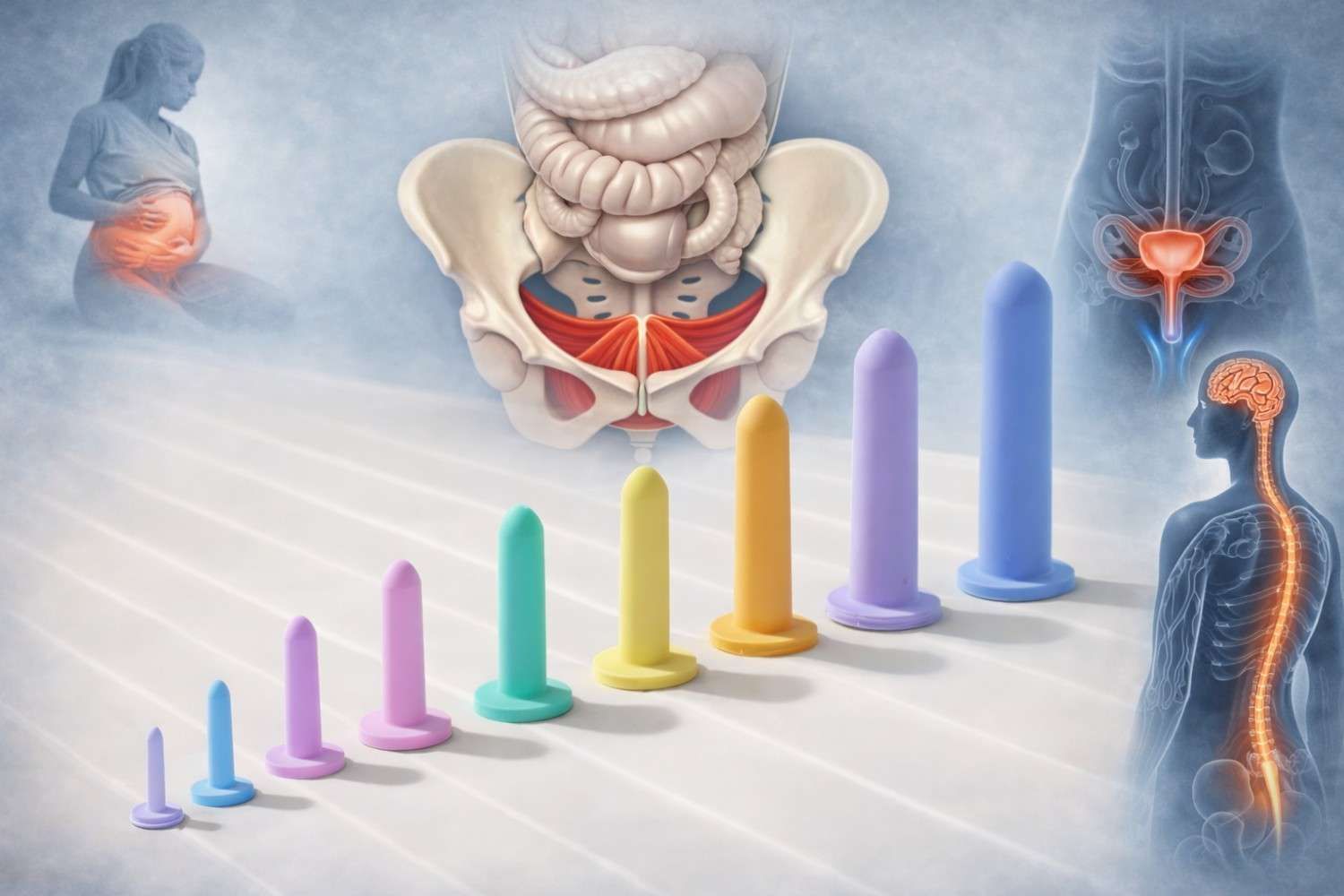
Dilators work through gradual, progressive tissue stretching and desensitization. Their use is typically guided to ensure progression occurs safely and without reinforcing pain or fear responses.
How Vibrators Differ From Medical Pelvic Therapy Tools Like Dilators
This distinction is essential and often misunderstood.
Vibrators
- Primarily provide sensory stimulation
- Often used externally
- Focus on blood flow, nerve input, and muscle relaxation.
- Typically short-duration and non-progressive
- Serve as supportive tools, not corrective devices.
Vaginal Dilators
- Medical therapy tools designed for tissue stretching and desensitization
- Used for specific diagnoses involving penetration-related pain or restriction
- Progress in size over time
- Require guidance to avoid reinforcing pain or muscle guarding.
- Address structural tolerance rather than sensory input.
While both tools interact with pelvic tissues, they serve different purposes. One does not substitute for the other. In some cases, both may be appropriate, but timing, technique, and clinical reasoning matter.
Using the wrong tool without guidance can worsen symptoms rather than improve them.
When Pelvic Health Tools Are Not Enough
Pelvic health tools alone are rarely the full answer. Ongoing symptoms may signal deeper issues, such as:
- Poor coordination between the pelvic floor, core muscles & breathing
- Nervous system sensitization
- Postural or breathing dysfunction
- Chronic inflammation or autoimmune involvement
If pain persists, bladder symptoms worsen, or anxiety develops around pelvic sensations, it is time to step back and reassess. Tools should support progress, not replace understanding the root cause.
Why Professional Guidance Makes the Difference
As a pelvic floor physical therapist with decades of experience, including advanced specialization in pelvic health, my role is not to recommend devices blindly, but to determine if, when, and how a tool fits into a broader care plan.
In my practice in Memorial, TX, pelvic floor therapy tools are approached thoughtfully. Every evaluation considers muscle tone, coordination, breathing patterns, nervous system regulation, and lifestyle factors that influence pelvic function. For women seeking women’s pelvic health therapy in Bellaire, or pelvic floor therapy in Spring Branch, or the Houston areas in TX, individualized care matters far more than any single tool.
Pelvic health is personal. Private, one-on-one guidance allows us to address symptoms safely, respectfully, and effectively, without guesswork.
A Clear Next Step
Vibrators and other pelvic health tools can play a supportive role, but they are not the primary solutions. Pelvic symptoms deserve careful evaluation and a plan tailored to your body, not trial and error.
If you are experiencing pelvic pain, bladder changes, discomfort with penetration, or sexual symptoms related to pelvic floor dysfunction, I invite you to reach out. A consultation can help clarify what your body is asking for and whether pelvic floor therapy or specific tools may be appropriate for you. Pelvic health affects comfort, confidence, and quality of life. You don’t have to navigate it alone.