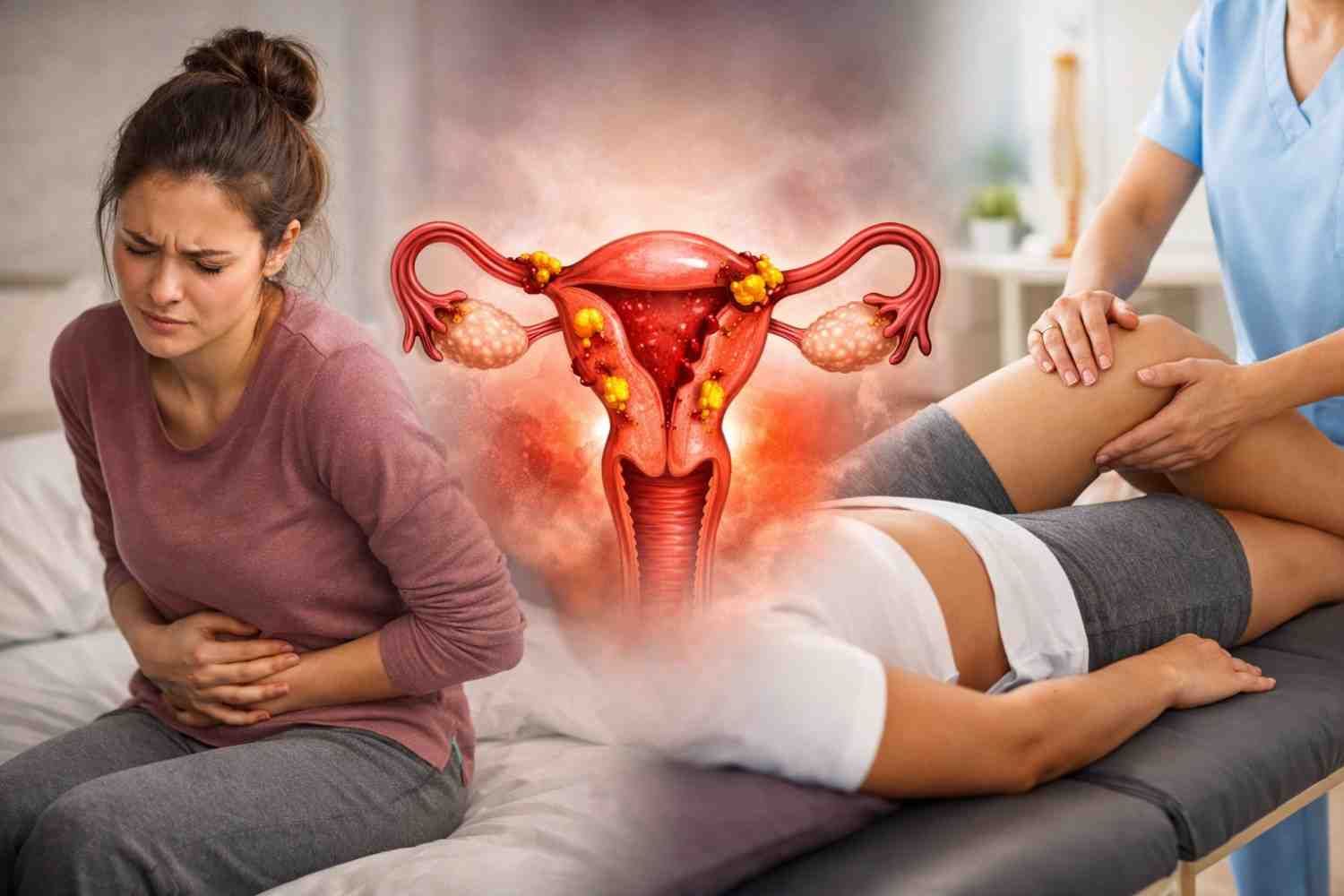

Coccyx (Tailbone) Pain in Pregnancy and Postpartum: Causes, Symptoms & Relief
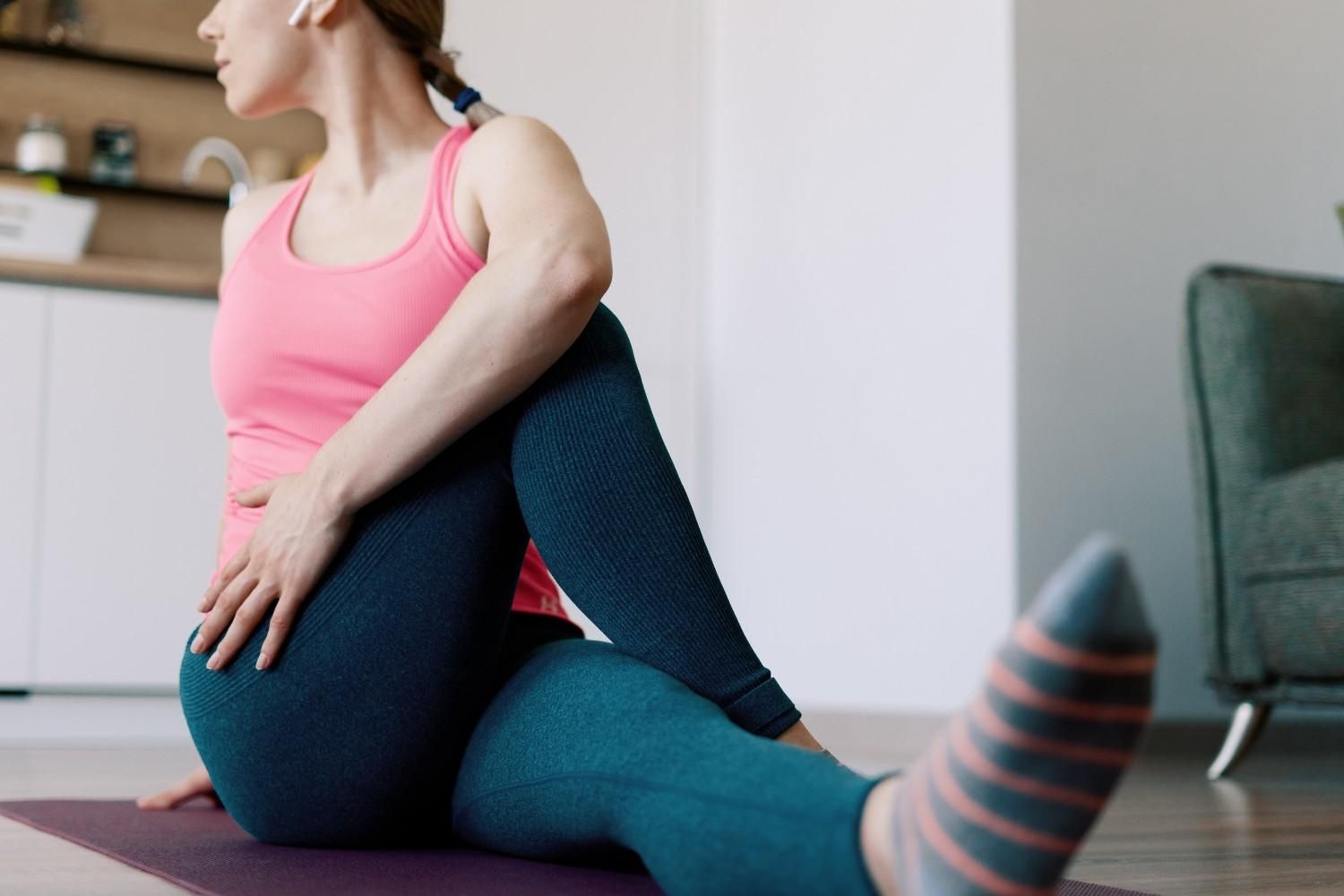
Tailbone pain—also known as coccydynia—affects many pregnant and postpartum individuals, even though it’s not talked about as often as low back pain or pelvic pressure. For some, it feels like a sharp pinch every time they stand up; for others, a persistent ache that makes daily activities uncomfortable. The good news is that most cases improve with the right combination of awareness, movement, and targeted care.
This guide covers what causes tailbone pain in pregnancy, why it often lingers after birth, and the relief strategies supported by pelvic health research and physiotherapy experts.
Why Tailbone Pain Happens in Pregnancy
Tailbone pain develops during pregnancy because your body is changing faster than your muscles and joints can adapt. As the uterus grows and posture shifts, the coccyx absorbs more pressure than usual. For some people, discomfort appears suddenly; for others, it builds gradually across the second and third trimester.
Postural Shifts and Increased Load
Your center of gravity moves forward as the baby grows, causing the pelvis to tilt and increasing pressure on the sacrum and coccyx. This mechanical shift also changes how the pelvic floor and gluteal muscles support your spine. People who sit for long hours, especially on soft sofas or non-supportive office chairs, tend to feel the most discomfort when standing up or transferring positions.
Hormone-Driven Ligament Laxity
Pregnancy hormones, especially relaxin, loosen ligaments to prepare the pelvis for delivery. This extra mobility can make the small joints near the coccyx less stable. When the ligaments can’t provide normal support, surrounding muscles tighten to compensate, leading to soreness, stiffness, or sharp tailbone pain.
Pelvic Floor Tension and Muscle Imbalance
The pelvic floor attaches directly to the tailbone. When these muscles become overactive, fatigued, or tense, they can pull on the tailbone and create discomfort during pregnancy. Many people assume pelvic floor tension only shows up postpartum, but it often begins much earlier, especially when the body is adapting to rapid structural changes.
Previous Injuries and Daily Habits
Old coccyx injuries, from falls, cycling, or childbirth, can flare during pregnancy. Long sitting, poor posture, and low activity levels make symptoms more noticeable. This is one reason many individuals search for “Coccyx pain in pregnancy treatment in Houston”, especially when discomfort becomes constant or affects mobility.
When Tailbone Pain Usually Starts
Tailbone pain can begin at any point in pregnancy, but it is most common in the second and third trimesters when weight gain and pelvic changes peak. An earlier onset is typical among those who have had tailbone injuries before, experience pelvic instability, or sit for extended periods.
Understanding the timing helps determine the best treatment approach. Early intervention prevents pain from carrying into postpartum, where sitting, feeding, and lifting a newborn can intensify symptoms.
Common Symptoms of Coccyx Pain in Pregnancy
Tailbone pain presents in different ways, but there are predictable patterns.
Common symptoms include:
- Sharp or aching pain at the base of the spine
- Discomfort when sitting (especially on hard surfaces)
- Pain when rising from a chair
- Difficulty lying flat
- Pain during bowel movements
- Radiating discomfort into the hips or the pelvic floor
When symptoms escalate, many individuals look for a “Pregnancy tailbone pain specialist in Spring Branch” who understands both anatomy and pregnancy-related shifts.
Postpartum Tailbone Pain: Why It Sometimes Gets Worse After Birth
Postpartum recovery brings its own challenges, and tailbone pain is one that often surprises new mothers. The coccyx absorbs pressure during vaginal birth, and assisted deliveries (forceps or vacuum) can increase the risk of irritation or bruising. Combine that with hours of sitting for feeding, healing ligaments, and a fatigued pelvic floor, and it’s easy to see why discomfort may linger.
Untreated pregnancy tailbone pain can also continue into postpartum, especially if pelvic floor tension remains high or if birth has added additional strain.
Evidence-Based Ways to Relieve Tailbone Pain
Tailbone pain is treatable, and small daily adjustments often make a meaningful difference. Most relief strategies aim to reduce pressure on the coccyx, relax the pelvic floor, and support the spine.
1. Improve Sitting and Standing Posture
Sitting on your sit bones, rather than rounding backward, reduces pressure on the tailbone. Choose supportive surfaces, avoid deep couches, and use a small rolled towel behind the lower back to maintain a neutral spine. This simple change relieves strain for many people and is often the first step recommended at a Houston prenatal back pain clinic.
2. Use a Tailbone Cutout Cushion
A coccyx cushion keeps pressure off the tailbone by creating space at the back of the seat. For a quick alternative, placing two folded washcloths under each sit bone distributes weight more evenly. This modification is particularly helpful for individuals searching for maternity coccyx pain relief in Spring Branch, TX, especially those who work at a desk or commute frequently.
3. Incorporate Gentle Stretching
Gentle movement relieves pelvic tension and reduces the muscular pull on the coccyx. Helpful stretches include:
Child’s Pose
Child’s pose helps your back and hips relax. When you fold forward with your knees apart, the muscles around your tailbone loosen, which can ease pressure and soreness.
Happy Baby
In happy baby, you gently pull your knees toward your chest while lying on your back. This opens your hips and helps the muscles around your tailbone and pelvic floor relax.
Piriformis and Glute Stretches
These stretches target the muscles in your buttocks. When these muscles are tight, they can pull on the tailbone. Stretching them helps reduce that pulling and makes sitting and moving more comfortable.
Cat-Cow Mobility
Cat-cow is a slow movement done on hands and knees. Rounding and arching your back helps loosen stiff muscles near your lower spine and tailbone, making it easier to move without pain.
Side-Lying Pelvic Tilts
This simple movement helps you find a comfortable pelvic position. While lying on your side, gently tucking and untucking your tailbone helps release lower-back tension without putting pressure on your belly.
4. Adjust Sleeping Positions
Sleeping on the side with a pillow between the knees reduces strain on the pelvis. A pillow under the belly or along the back can provide additional support, especially in the third trimester.
5. Supportive Footwear and Activity Modifications
Flat, supportive shoes minimize unnecessary pelvic rotation. Avoid lifting heavy objects, twisting, or long standing periods when symptoms are active.
When Pelvic Floor Physical Therapy Helps Most
Pelvic floor physical therapy is one of the most effective ways to treat pregnancy and postpartum tailbone pain. This is especially true for individuals looking for a pregnancy pelvic and tailbone therapy in Houston, because resolving pelvic floor tension directly improves coccyx mobility and reduces pain.
Internal and External Coccyx Mobilization
Specialized therapists can perform gentle mobilization techniques to restore normal tailbone movement. This is helpful when the tailbone feels stuck, shifted, or sensitive under pressure.
Soft Tissue Release
Addressing tight pelvic floor muscles (internally or externally) reduces the pulling force on the coccyx. Releasing tension in the glutes, piriformis, and deep hip rotators helps as well.
Postural Retraining and Strengthening
Improving alignment, core engagement, and muscle balance supports long-term relief. Many individuals visiting a Houston prenatal back pain clinic report improvements simply from learning how to sit and move differently.
Breathing and Pelvic Floor Relaxation
Diaphragmatic breathing softens pelvic floor tension and supports healthier movement patterns. Consistency matters here; the benefits build over time.
If pain limits daily activity or lingers more than six weeks postpartum, it’s time to see a pregnancy pelvic and tailbone therapy specialist in Houston for a thorough evaluation.
Conclusion
Tailbone pain during pregnancy and postpartum is common, but it’s not something you have to push through or ignore. With the right combination of posture adjustments, supportive tools, stretching, and pelvic floor therapy, you can experience significant improvements.
If tailbone pain is affecting your pregnancy or postpartum recovery, I’m here to help. I work with patients across Houston Spring Branch and across Texas to address pelvic floor tension, coccyx mobility issues, and prenatal or postpartum discomfort. If you’d like personalized care and a clearer understanding of your symptoms, you’re welcome to reach out and schedule a session anytime.