
Why Sex Toys Are Part of Sexual Health in Older Women, and Why They Rarely Come Up in Care
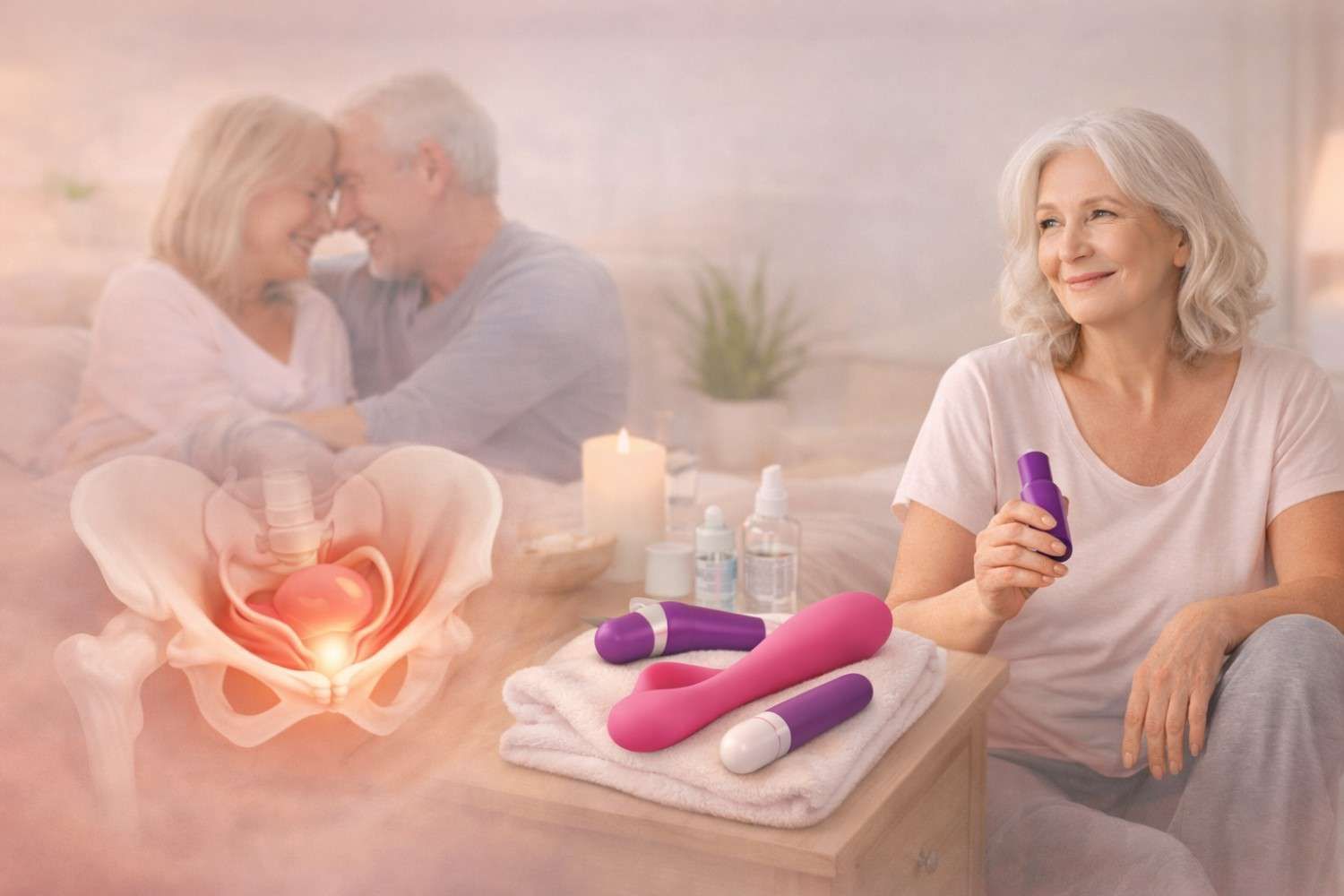
Many women in their 60s and beyond use sex toys regularly. Most have never discussed it with a clinician.
This gap affects how symptoms get understood. It also affects how sexual function changes are managed over time. In many cases, women try to solve issues like dryness, reduced sensitivity, or delayed orgasm on their own before seeking structured care such as menopause pelvic floor therapy in Houston, Texas.
This article explains where sex toys fit in sexual health, what changes after menopause, and when tools stop being enough.
Do Older Women Use Sex Toys, and Why Does It Matter for Sexual Health?
Yes. A large number of women over 60 use sex toys, especially during solo sex.
This matters because sexual behavior reflects function. If stimulation patterns change, it usually points to changes in tissue, nerve response, or muscle coordination.
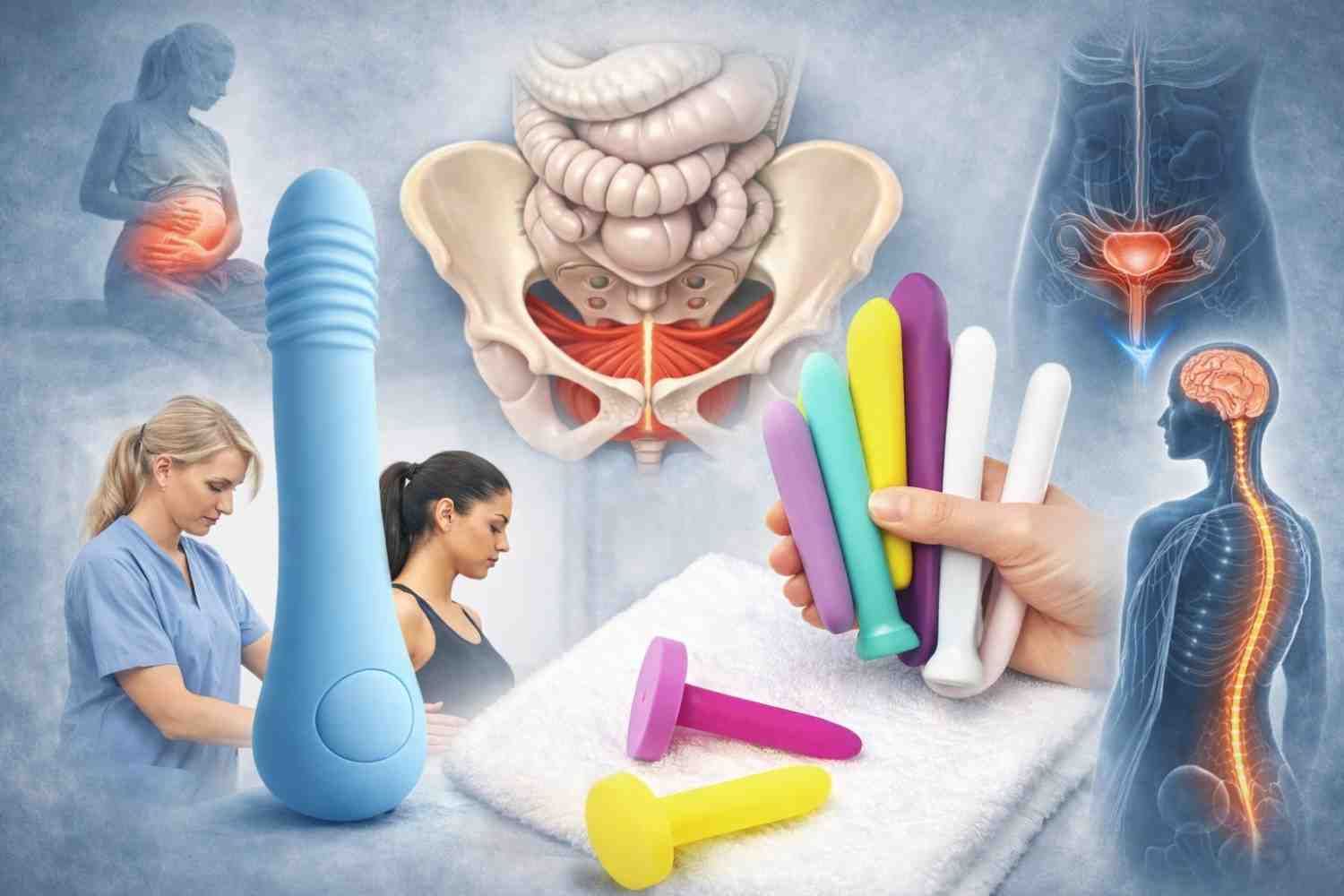
- Sex toys, in this context, refer mainly to vibrators used for external or internal stimulation.
- Solo sex refers to self-stimulation, often used to maintain or explore sexual response.
- Sexual health includes comfort, arousal, orgasm, and the absence of distress. It does not stop in the absence of disease.
Many women first notice changes in response before they consider seeking menopause sexual health therapy in Spring Branch, TX. That delay often leads to confusion about what is normal.
What Sexual Health Includes After Menopause
Sexual health shifts after menopause. It often includes:
- Arousal that takes longer to build
- Sensitivity that feels reduced or inconsistent
- Orgasm that takes more effort or feels less intense
- Comfort that depends more on preparation and stimulation
These changes are common. They are also often manageable when understood correctly.
What Changes After Menopause That Affect Sexual Response?
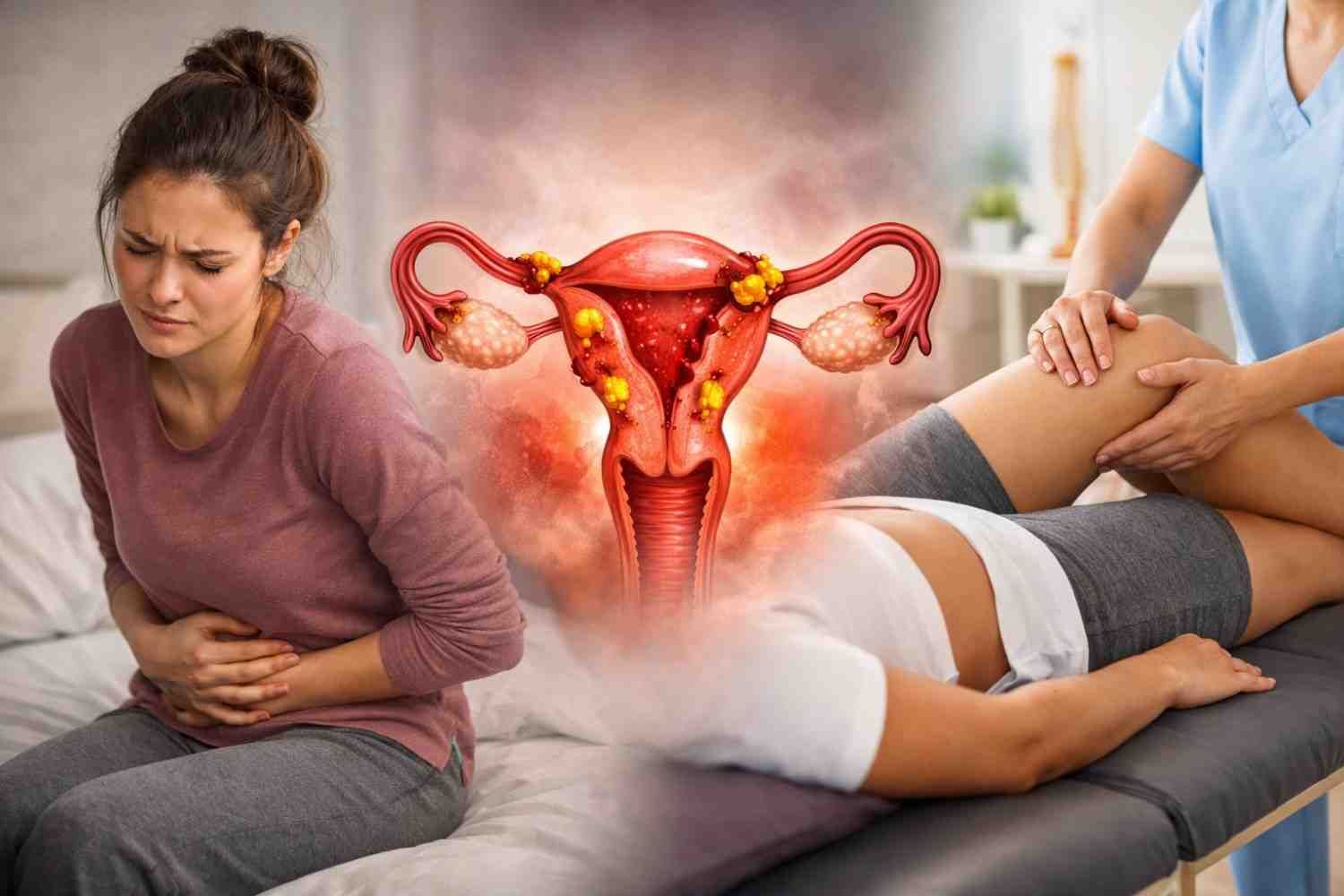
The most common framework used in clinical care is Genitourinary Syndrome of Menopause (GSM).
This refers to a group of changes caused by lower estrogen levels. It affects vaginal tissue, urinary function, and sexual response.
Why Sensitivity and Lubrication Change
Tissue becomes thinner and less elastic. Natural lubrication decreases. Blood flow to the area reduces.
This leads to:
- Dryness during sexual activity
- Increased friction
- Reduced comfort with penetration
These changes do not always cause pain immediately. They often show up first as subtle discomfort or reduced responsiveness.
Why Orgasm Feels Different
Orgasm depends on nerve input, blood flow, and muscle coordination.
After menopause:
- Arousal builds more slowly
- Direct stimulation becomes more important
- Orgasm may take longer to reach
- Intensity may feel reduced
Where Pelvic Floor Function Fits In
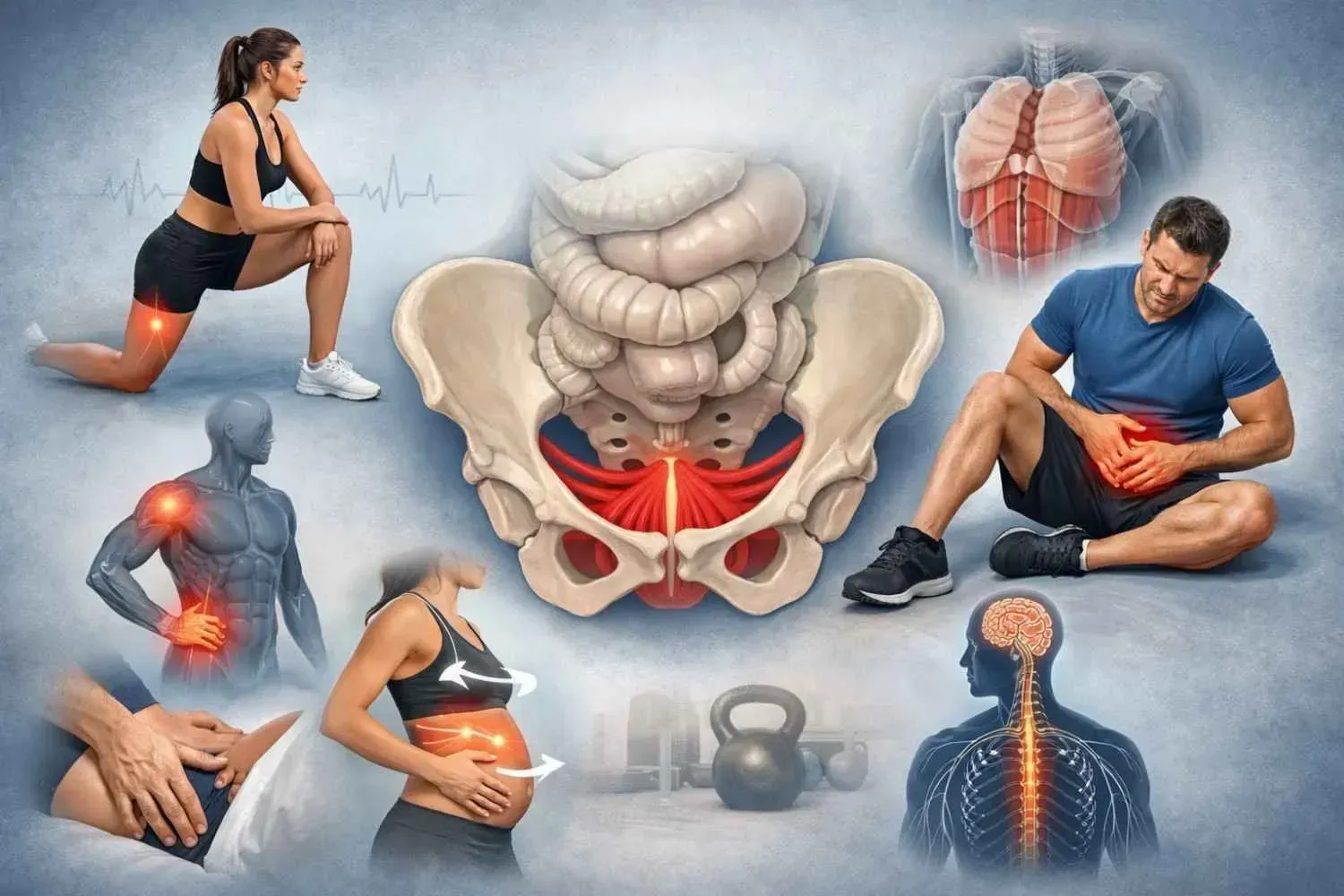
Pelvic floor muscles play a direct role in sexual response.
Two common patterns show up:
- Overactive muscles: tight, guarded, or unable to relax
- Underactive or poorly coordinated muscles: reduced contraction strength or timing
Both patterns affect sensation and comfort.
These changes often overlap with bladder symptoms or pelvic pressure. In these cases, evaluation through menopause pelvic health treatment in Bellaire, TX helps separate the contributing factors.
Can Sex Toys Improve Sexual Function After Menopause?
Sex toys can support sexual function. They do not address every underlying cause. They are tools, not treatment plans.
How Vibrators Work in the Body
Vibrators influence sexual response through:
- Increased blood flow to pelvic tissues
- Direct nerve stimulation
- Improved awareness of sensation
This combination helps some women identify what type of stimulation still produces a response.
When They Help
Sex toys tend to help when the issue involves:
- Reduced sensitivity
- Delayed orgasm
- Difficulty responding to indirect stimulation
- Discomfort with penetration
Some women use these tools alongside structured care, such as sexual wellness therapy for menopause in Bunker Hill Village, TX, to improve consistency.
Where They Fall Short
Sex toys do not resolve:
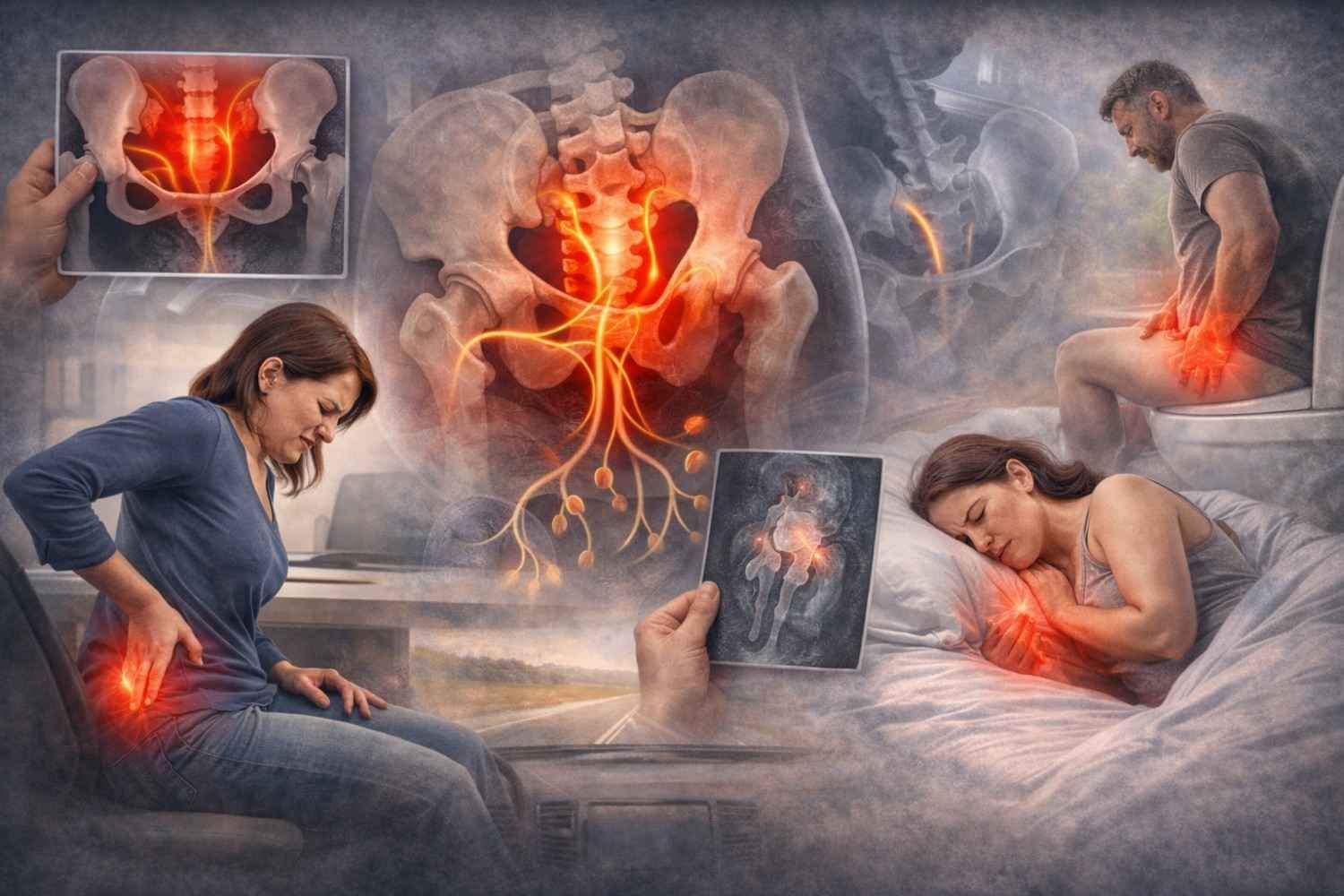
- Persistent pelvic pain
- Muscle tension or guarding
- Urinary urgency or pressure
- Fear-based avoidance of penetration
When these patterns are present, care such as menopause pelvic floor therapy in Houston Texas addresses the underlying issue more directly.
Why Do These Conversations Rarely Happen in Healthcare?
This is a known gap. Many clinical visits do not include a detailed sexual history unless the patient brings it up first.
What Gets Missed in Clinical Visits
- Questions about solo sex are often skipped
- Sex toy use is rarely discussed
- Symptoms are treated in isolation instead of as patterns
What This Leads To
Women often try multiple approaches without clarity. They may adjust products, stimulation methods, or frequency without understanding what is changing in their body. Many only seek menopause sexual health therapy in Spring Branch, TX, after symptoms persist or worsen.
Is It Safe to Use Sex Toys After Menopause?
In most cases, yes. Safety depends on tissue condition and symptom pattern.
Common Concerns
- Whether frequent use reduces sensitivity
- Whether reliance on a device creates dependency
- Whether use worsens dryness or irritation
There is no consistent evidence showing long-term sensitivity loss from vibrator use. Temporary adaptation can occur, though underlying tissue and nerve function remain the main factors.
Practical Use Guidance
- Start with lower intensity
- Use lubrication when needed
- Avoid use during active irritation or pain
When uncertainty continues, evaluation through menopause pelvic health treatment in Bellaire, TX, helps clarify how tissues and muscles are responding.
When Are Sex Toys Not Enough?
Sex toys reach a limit when symptoms involve more than stimulation.
Signs That Point to Underlying Issues
- Pain with penetration
- Persistent pelvic pressure
- Urinary urgency or leakage
- Orgasm difficulty that does not improve
At this stage, continued trial and error usually delays improvement. Evaluation through menopause pelvic floor therapy in Houston, Texas, identifies what is driving the symptoms.
How Pelvic Floor Therapy Supports Sexual Function After Menopause
Pelvic floor therapy focuses on function, not just symptoms. It looks at how muscles, nerves, and tissue interact during daily activity and sexual response.
What Gets Evaluated
- Muscle tone and resting tension
- Coordination during contraction and relaxation
- Breathing patterns
- Nervous system sensitivity
What Changes With Treatment
Treatment aims to:
- Improve muscle relaxation
- Restore coordination
- Increase blood flow
- Reduce pain signals
Patients often seek this care through sexual wellness therapy for menopause in Bunker Hill Village, TX, when symptoms begin affecting comfort and confidence.
How I Approach Sexual Health and Pelvic Care
I work with women experiencing changes in orgasm, pelvic discomfort, and bladder symptoms, often after menopause.
Care is one-on-one. Sessions begin with identifying how muscles respond, how sensitivity has changed, and how the nervous system reacts to stimulation or pressure.
Treatment starts during the first visit and progresses toward improving function over time. In some cases, this includes elements of orgasm health benefits therapy in Memorial TX when response patterns are part of the concern.
A Practical Framework for Managing Sexual Changes After Menopause
- Identify the main symptom
Focus on what changed first. Sensitivity, pain, dryness, or orgasm timing.
2. Separate likely causes
Tissue, muscle, and arousal changes often overlap. Each requires a different approach.
3. Try appropriate support
Use lubrication, adjust stimulation, or explore different patterns.
4. Seek evaluation when symptoms persist
Many patients move toward structured care, such as menopause pelvic health treatment in Bellaire, TX, when symptoms remain unclear.
Key Takeaways
- Sex toys are already part of sexual behavior in women of all ages
- Menopause changes tissue, sensation, and response patterns
- Vibrators support stimulation, not diagnosis
- Pelvic floor function plays a direct role in sexual response
- Structured care improves outcomes when symptoms persist
What to Do Next
If sexual function has changed, or if symptoms such as pain, urgency, or discomfort persist, evaluation provides clarity.
I offer pelvic floor physical and sexual wellness therapy in Houston , Spring Branch and Bunker Hill Village to women of all ages. Care focuses on identifying the cause and developing a plan to improve function over time. Schedule your consultation today.
FAQs
Is it normal to use a vibrator after menopause?
Yes, many women use vibrators after menopause. Changes in sensitivity and arousal often make direct stimulation more effective and comfortable than penetration alone.
Can sex toys improve orgasm after 50?
Sex toys can increase stimulation and improve orgasm frequency for some women, though results depend on tissue condition, pelvic muscle function, and overall sexual response patterns.
Why does orgasm feel different now?
Hormonal changes affect tissue, blood flow, and nerve sensitivity. Pelvic floor muscle function also influences intensity, timing, and overall orgasm response after menopause.
When should I see a pelvic floor therapist?
Seek evaluation if symptoms include pain, urgency, discomfort, or persistent difficulty with arousal or orgasm that does not improve with basic support or self-directed strategies.
Can pelvic floor therapy help sexual dysfunction?
Pelvic floor therapy addresses muscle tension, coordination, and circulation, which directly influence pain, arousal, and orgasm function in women experiencing changes after menopause.
Do sex toys reduce natural sensitivity over time?
There is no consistent evidence that sex toys reduce long-term sensitivity. Temporary adaptation can occur, though underlying tissue and nerve function remain the primary factors.
Can masturbation help with menopause symptoms?
Masturbation may support blood flow, lubrication, and tissue health. It can also help maintain awareness of sensation, which may change with menopause.
Are sex toys recommended by healthcare providers?
Some clinicians include sex toys as part of sexual health discussions, especially in menopause care, though many providers still do not routinely address this topic.
Can pelvic floor issues affect orgasm?
Pelvic floor dysfunction can affect the timing, intensity, and comfort of orgasm. Both overactive and underactive muscle patterns influence sexual response.
What is the difference between dryness and arousal issues?
Dryness relates to lubrication and tissue condition. Arousal involves blood flow, nerve response, and muscle coordination. Both often overlap after menopause.